

At the FUNK Speakers’ Forum: Artificial Intelligence Is Neither Salvation nor Threat — It Is a Mirror of Human Consciousness and Values
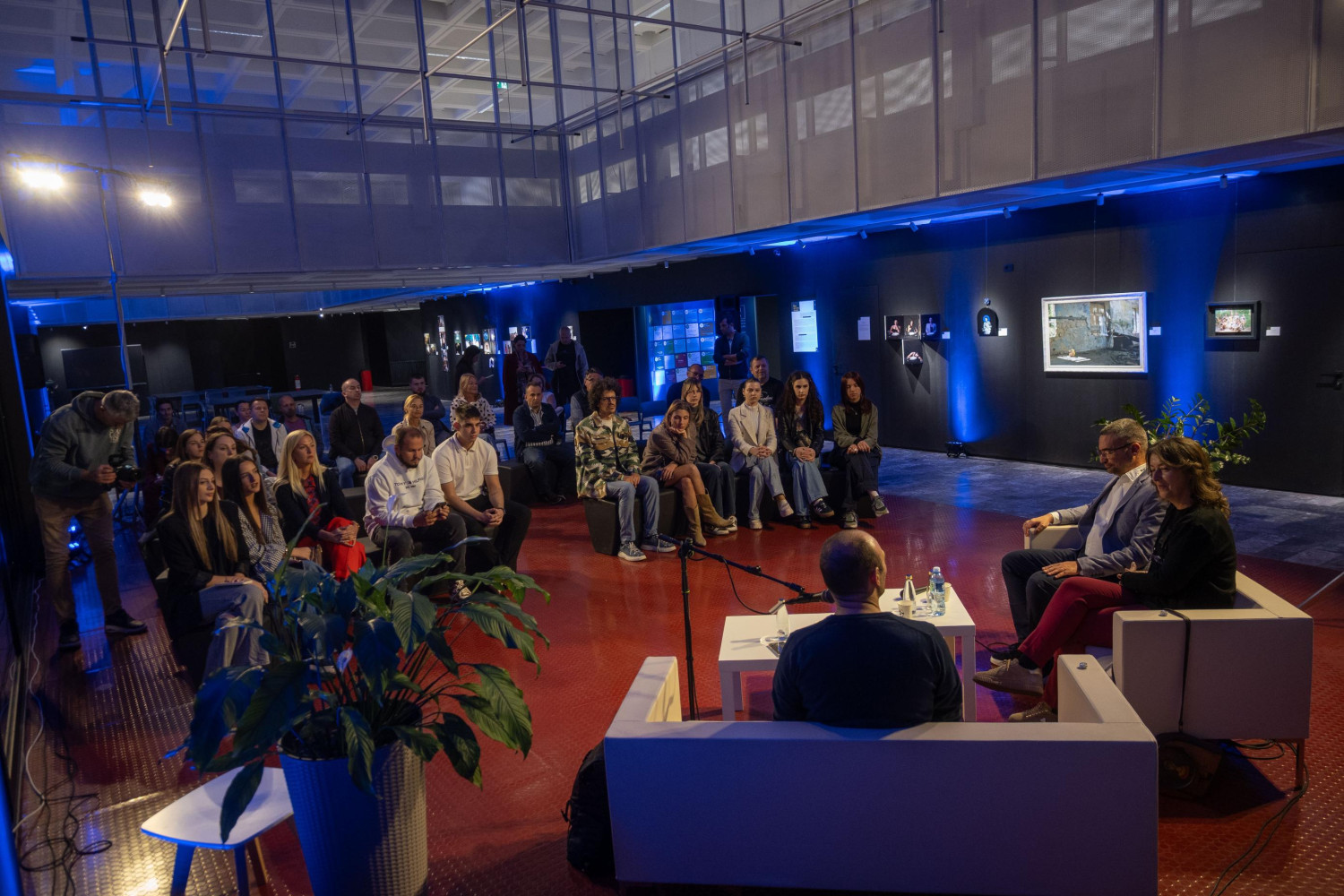
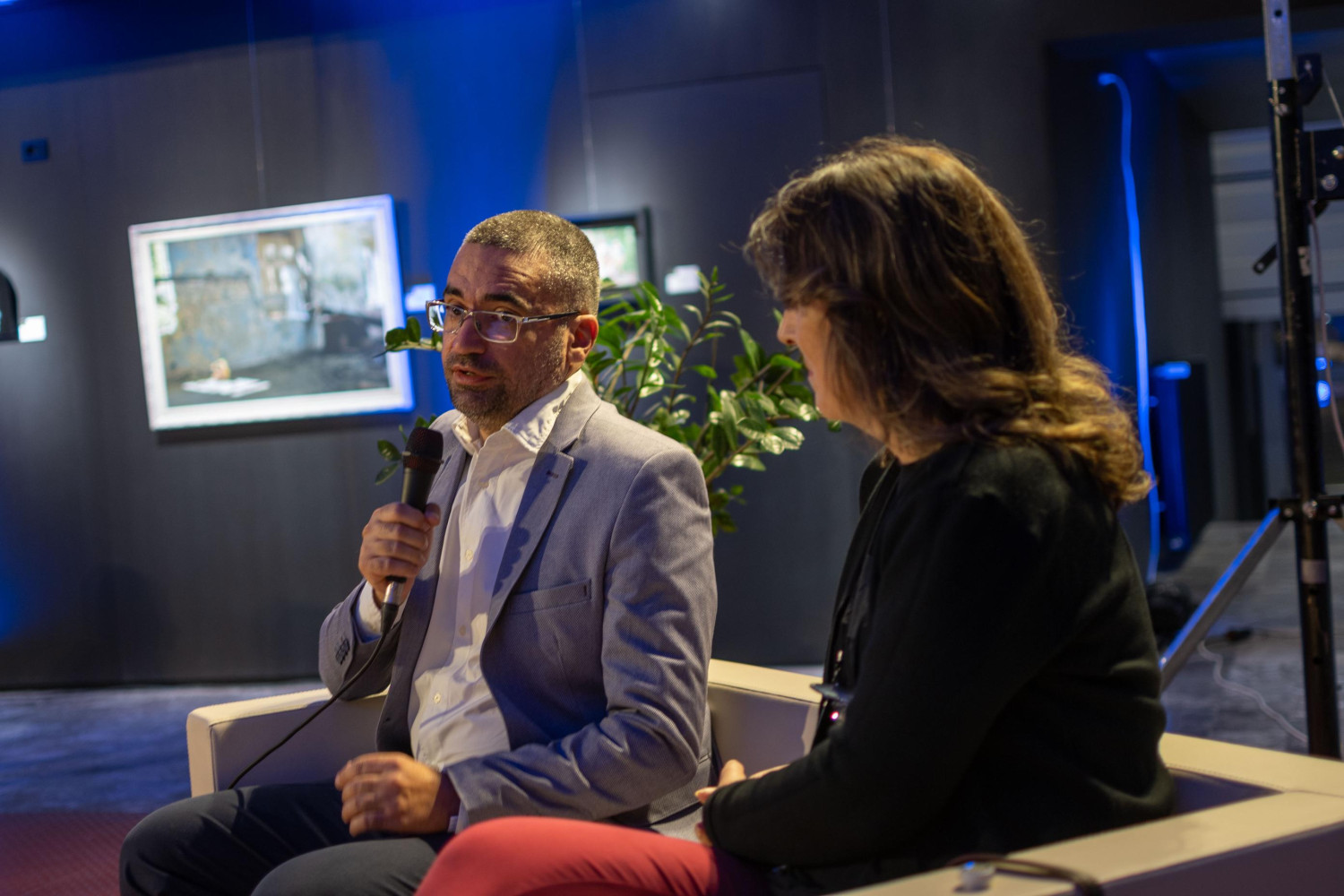

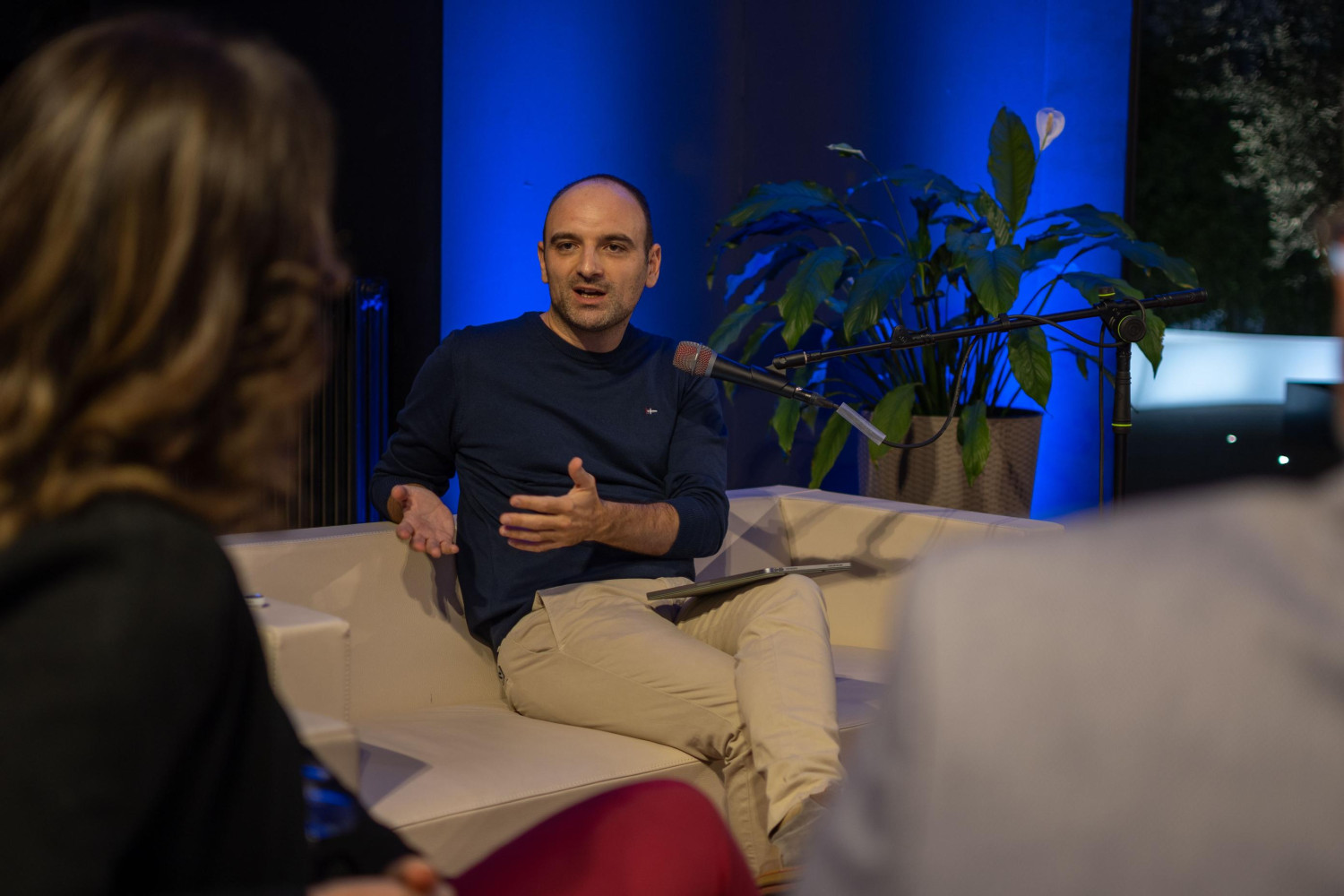
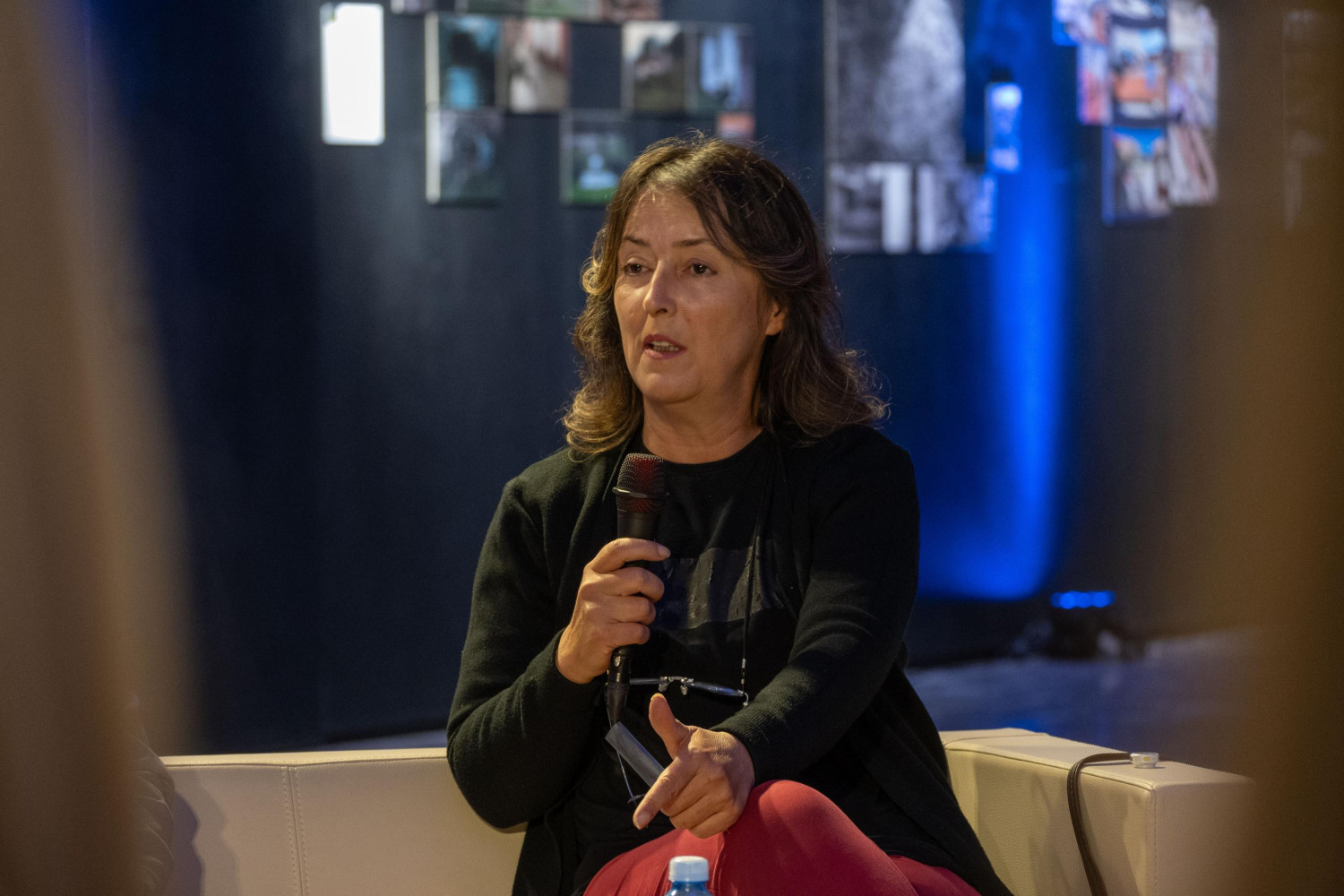
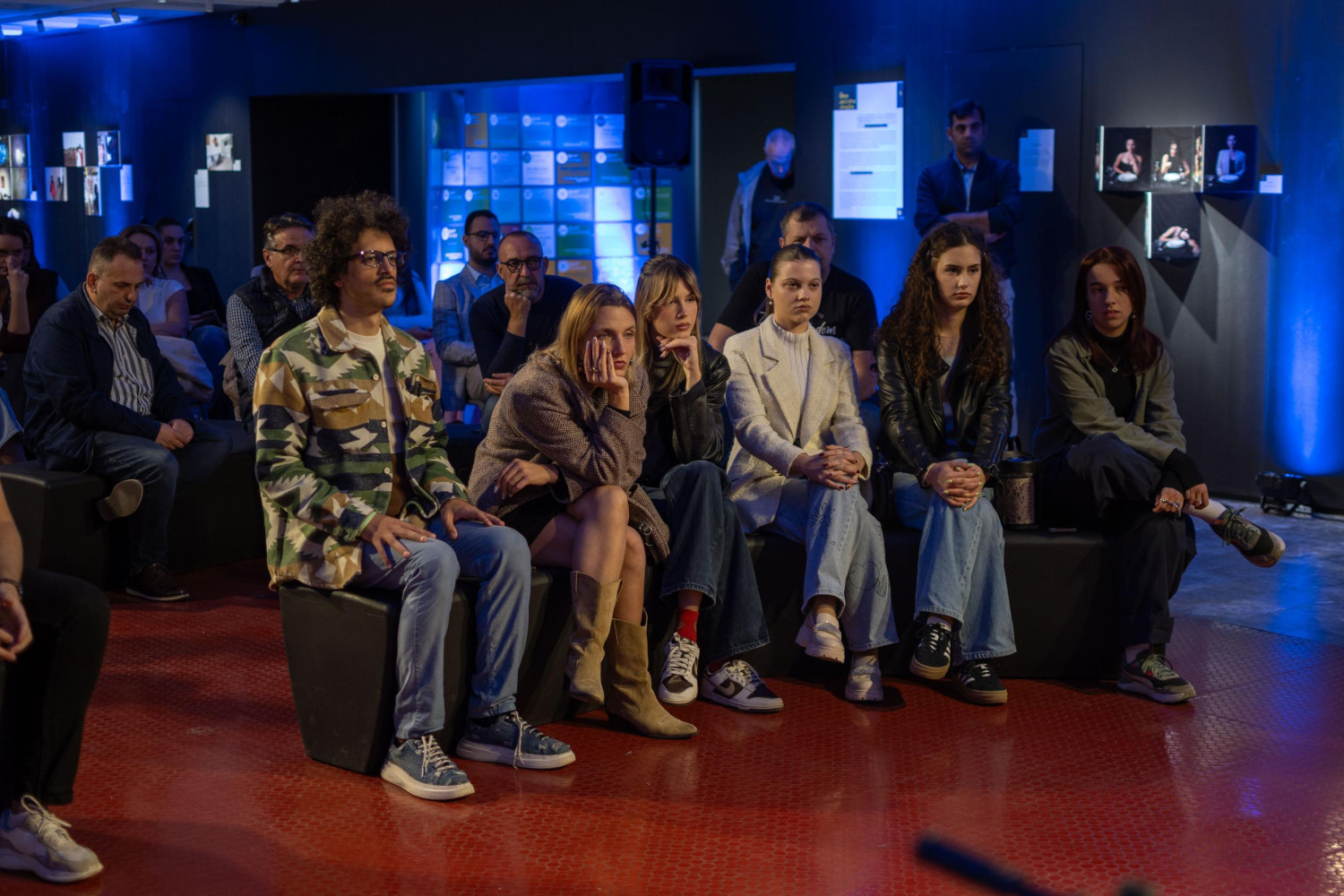

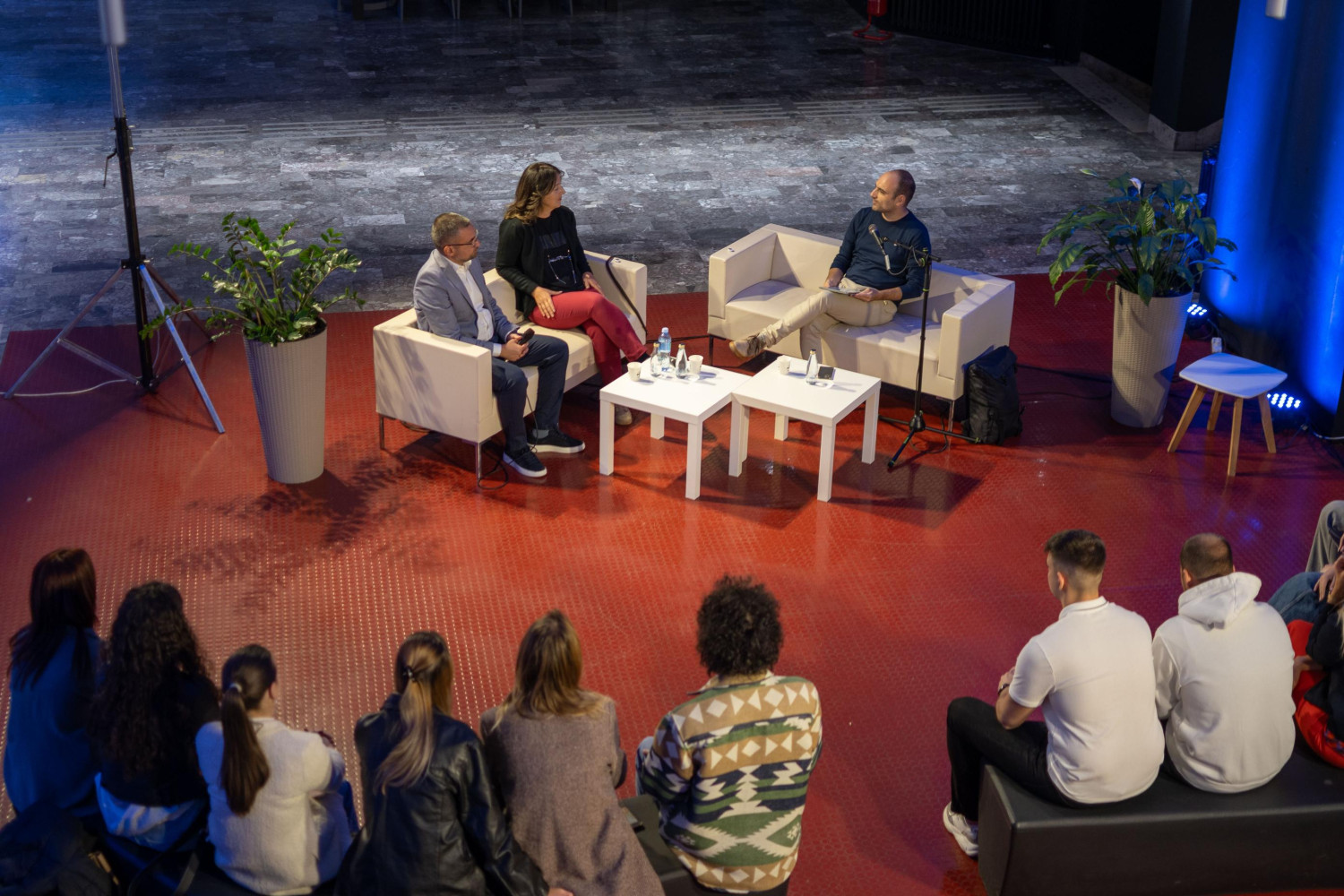
At a time when artificial intelligence is increasingly entering classrooms, laboratories, and everyday life, one key question arises: does technology serve humans, or are humans slowly becoming its extension? Participants at the FUNK Speakers’ Forum, held on the topic “Artificial Intelligence – Support or Threat to Education?” sought to answer this and similar questions, agreeing that AI is neither salvation nor a threat, but rather a mirror of human consciousness and values.
“University of 2050 will not be just a building, but a fusion of real, virtual, and personalized learning worlds. AI mentors will be part of every student’s experience, but the role of professors will be more important than ever — to teach young people how to think and feel, not just how to use a tool,”
emphasized Dr. Ljubiša Bojić from the Institute for Philosophy and Social Theory at the University of Belgrade.
He believes that the goal is not for AI to replace thinking, creativity, and empathy, but to free us from administrative constraints.
“The greatest danger is not that AI will think instead of us, but that we will stop thinking for ourselves,” Bojić warned.
“If we fail to align AI with human values, we risk creating an education system where efficiency will outweigh empathy. We must teach AI to recognize our values, because the humanity of education depends on it,”
he added.
Vuk Vuković, PhD, pointed out that “the issue of artificial intelligence development is currently both a technical and a sociological one — because society is still adapting to its omnipresence.”
“Very soon, artificial intelligence will become a universal ethical issue — a matter of moral reasoning, not at the level of normative ethics, but at the level of the moral development of individuals,”
Vuković said.
He warned that “the particular danger of uncritical application and technical use of artificial intelligence stems from the fact that, as a society, we are still struggling with the use of the previous generation of media — social networks and all the phenomena they brought, such as information disorders and hate speech.”
“Each of us who teaches, writes, learns, creates, or researches already feels that what is changing before our screens is not just the tool, but the way of thinking itself. AI is no longer a novelty on the margins — it has become a shared space where technology, ethics, and pedagogy intertwine, often without clear boundaries. In that context, a particularly important question will concern creative and artistic production,”
Vuković concluded.
Dijana Vučković, PhD, emphasized that “artificial intelligence in education is not a magic wand, but a magnifying glass that has the potential to amplify both good and bad practices.”
“If we do not change the way we learn and teach, algorithms could accelerate old mistakes. But if we focus on developing critical thinking, completely new paths of understanding may open,”
she said, adding that “artificial intelligence can help students learn faster, but it must not deprive them of questions about the purpose of learning.”
“The problem is not that artificial intelligence is entering classrooms — on the contrary, it can be a ‘magic assistant’. The problem arises if curiosity is expelled from classrooms and if we fail to teach moral reasoning. Technology can be a powerful ally of education, but only if it remains in the service of humanity — not the other way around,” Vučković concluded.
The debate also opened numerous questions from the audience about the role and limits of technology in education, confirming that the key responsibility still lies with humans — in how we choose to use tools we have created.