Pomorski fakultet Kotor / Nautika i pomorski saobraćaj (2017) / TEHNIČKA MEHANIKA
| Naziv predmeta: | TEHNIČKA MEHANIKA |
| Šifra predmeta | Status predmeta | Semestar | Broj ECTS kredita | Fond časova (P+V+L) |
| 374 | Obavezan | 1 | 3 | 2+1+0 |
| Studijski programi za koje se organizuje | Nautika i pomorski saobraćaj (2017) |
| Uslovljenost drugim predmetima | Nema |
| Ciljevi izučavanja predmeta | |
| Ishodi učenja | Očekuje se da studenti nakon položenog ispita iz predmeta Tehnička mehanika: 1. Stiču širok i integrisani dijapazon teorijskih i praktičnih znanja iz mehanike krutog tijela i mehanike fluida i specijalno iz statike, kinematike i dinamike krutog tijela i fluida koja su primjenjiva u raznim oblastima mašinstva i specijalno brodomašinstva; 2. Stiču konkretna znanja vezana za kritičko razmišljanje i zaključivanje pri razmatranju i rješavanju praktičnih problema iz oblasti statike, kinematike i dinamike krutog tijela i fluida; 3. Vladaju metodama izučavanja stanja mirovanja i kretanja tijela i fluida (vode) pod dejstvom sila i pritisaka na bazi osnovnih principa i zakona mehanike; 4. Primjenjuju metode osnovne zakone i principe mehanike na proučavanju mirovanja i kretanja materijalne tačke pod dejstvom sila, proučavanju kretanja tijela (translatorno , obrtno) na bazi jednačina kretanja i osnovnih zakona , principa i teoremaa mehanike krutog tijela i mehanike fluida (Njutnovi zakoni, Dalamberov princip, Teorema o promjeni kinetičke energije, Teorema o promjeni količine kretanja, Paskalov zakon, Zakon o odrzanju energije – Bernulijeva jednačina), a posebno na konkretnim problemima kao što su: periodična i prosta harmonijska kretanja, balansiranje rotirajucih masa, regulisanje brzine obrtanja tijela koja rotiraju, pojava trenja kod tvrdih tijela i fluida, isticanje tečnosti ; 5. Daju kritičku ocjenu vezanu prilikom analize kretanja tvrdih tijela i kretanja fluida prilikom primjene osnovnih zakona, principa i teorema mehanike; 6. Prepoznaju i razlikuju značaj pojedinih veličina mehanike (brzina, ubrzanje, sila, masa , moment inercije, momemt sile, pritisak, kineticka, potencijalna I pritisna energija, rad kolicina kretanja, moment količine kretanja, snaga, potisak, apsolutni I relativni pritisak) I njihov fizički smisao; 7. Pokazuju sposobnost da samostalno rješavaju konkretne probleme iz problematike mirovanja i kretanja krutog tijela i fluida i to: probleme mirovanja i kretanja pod dejstvom sile trenja i bez uzimanja u obzir sile trenja, probleme vezane za balansiranje rotirajućih masa, probleme kretanja vezanih tijela, probleme sračunavanja energije, rada, snage, količine i momenta količine kretanja, probleme određivanja hidrostatičkog pritiska, probleme vezane za plivanje tijela i za proučavanje strujanja fluida u cjevovodima, probleme isticanja fluida, određivanja gubitaka energije u strujnom toku. |
| Ime i prezime nastavnika i saradnika | prof. dr. Goran Ćulafić, Mr Stefan Culafic |
| Metod nastave i savladanja gradiva | Predavanja, računske vježbe, domaći zadaci, konsultacije, kolokvijumi |
| Plan i program rada |
|
Pripremne nedjelje - priprema i upis semestra I nedjelja, pred. - I nedjelja Uvod. Pripremna predavanja.Kinematika tačke: Osnovne kinematičke veličine I nedjelja, vježbe - II nedjelja, pred.-Kinematika tačke: Pravolinijsko i kružno kretanje.Jednoliko i jednoliko promjenjivo kretanje II nedjelja, vježbe III nedjelja, pred.- Kinematika tijela: Translatorno kretanje. Obrtanje tijela oko nepomične ose. III nedjelja, vježbe - IV nedjelja, pred.- Kinematika tijela: Obrtanje tijela oko nepomične ose. IV nedjelja, vježbe - V nedjelja, pred.- Trenje. Trenje klizanja V nedjelja, vježbe - VI nedjelja, pred.- Trenje. Trenje kotrljanja VI nedjelja, vježbe - VII nedjelja, pred.- I Kolokvijum VII nedjelja, vježbe - VIII nedjelja, pred.- Kružno kretanje: Inercijalne sile; Konisno klatno, Balansiranje VIII nedjelja, vježbe - IX nedjelja, pred.- Dinamika obrtanja tijela. Aksijalni moment inercije. Jednačina obrtanja tijela IX nedjelja, vježbe - X nedjelja, pred.- X nedjelja Rad. Energija. Teorema o promjeni kinetičke energije. X nedjelja, vježbe - XI nedjelja, pred.- Količina kretanja. Moment količine kretanja. XI nedjelja, vježbe - XII nedjelja, pred.- II Kolokvijum XII nedjelja, vježbe - XIII nedjelja, pred.- XIII nedjelja Hidrostatika. Osnovni zakoni i primjena XIII nedjelja, vježbe - XIV nedjelja, pred.- Hidrodinamika. Osnovni zakoni i primjena XIV nedjelja, vježbe - XV nedjelja, pred.- XV nedjelja III Kolokvijum XV nedjelja, vježbe - |
| Opterećenje studenta | |
| Nedjeljno | U toku semestra |
| 3 kredita x 40/30=4 sati i 0 minuta
2 sat(a) teorijskog predavanja 0 sat(a) praktičnog predavanja 1 vježbi 1 sat(a) i 0 minuta samostalnog rada, uključujući i konsultacije |
Nastava i završni ispit:
4 sati i 0 minuta x 16 =64 sati i 0 minuta Neophodna priprema prije početka semestra (administracija, upis, ovjera): 4 sati i 0 minuta x 2 =8 sati i 0 minuta Ukupno opterećenje za predmet: 3 x 30=90 sati Dopunski rad za pripremu ispita u popravnom ispitnom roku, uključujući i polaganje popravnog ispita od 0 do 30 sati (preostalo vrijeme od prve dvije stavke do ukupnog opterećenja za predmet) 18 sati i 0 minuta Struktura opterećenja: 64 sati i 0 minuta (nastava), 8 sati i 0 minuta (priprema), 18 sati i 0 minuta (dopunski rad) |
| Obaveze studenta u toku nastave | |
| Konsultacije | |
| Literatura | 1. G.Ćulafić: Tehnička mehanika, pisana predavanja |
| Oblici provjere znanja i ocjenjivanje | 1. Kolokvijum I, od 0 do 33 bodova; 2. Kolokvijum II, od 0 do 33 bodova; 3. Kolokvijum III, od 0 do 33 bodova i Prelazna ocjena se dobija ako se sakupi preko 50 bodova |
| Posebne naznake za predmet | |
| Napomena |
| Ocjena: | F | E | D | C | B | A |
| Broj poena | manje od 50 poena | više ili jednako 50 poena i manje od 60 poena | više ili jednako 60 poena i manje od 70 poena | više ili jednako 70 poena i manje od 80 poena | više ili jednako 80 poena i manje od 90 poena | više ili jednako 90 poena |
Pomorski fakultet Kotor / Nautika i pomorski saobraćaj (2017) / PRIMJENA RAČUNARA U POMORSTVU
| Naziv predmeta: | PRIMJENA RAČUNARA U POMORSTVU |
| Šifra predmeta | Status predmeta | Semestar | Broj ECTS kredita | Fond časova (P+V+L) |
| 1379 | Obavezan | 1 | 3 | 1+0+2 |
| Studijski programi za koje se organizuje | Nautika i pomorski saobraćaj (2017) |
| Uslovljenost drugim predmetima | Nema uslovljenosti položenim drugim predmetima. |
| Ciljevi izučavanja predmeta | Uvod u arhitekturu računara. Rad sa brojnim sistemima, naročito sa binarnim brojnim sistemom, uključujući binarnu aritmetiku. Uvod u MS Office. Word procesiranje sa MS Word-om. Tabelarno procesiranje podataka sa MS Excel-om. Osnove Interneta, servisi, e-mail. Predmetne oblasti su u skladu sa STCW'10 konvencijom (Tabela A-III/6) i IMO model kursom 7.08 (paragraf 1.5.1.1). |
| Ishodi učenja | Nakon položenog ispita iz predmeta Primjena računara u pomorstvu (3 ECTS) studenti će biti sposobni da: - Pravilno vrše konverziju brojeva između dekadnog, binarnog, oktalnog i heksadecimalnog brojnog sistema. - Pravilno vrše sabiranje, oduzimanje i množenje brojeva u binarnom brojnom sistemu. - Razlikuju osnovne hardverske komponente desktop računara. - Izvode osnovne operacije u Windows operativnom sistemu (rad sa prozorima, krreiranje/premještanje/kopiranje/reimenovanje/brisanje foldera i fajlova, rad sa tastaturom i mišem, korišćenje pretrage). - Pravilno koriste MS Word aplikaciju, odnosno: a. pravilno podešavaju veličinu Word dokumenta i njegove margine, b. formatiraju font i pasuse, c. formatiraju tekst u više kolona, d. predstavljaju tekst tabelarno i formatiraju tabele, e. pravilno koriste stilove. - Pravilno koriste MS Excel aplikaciju u smislu da: a. pravilno formatiraju ćelije, b. pravilno koriste Excel funkcije za rad sa numeričkim i tekstualnim podacima i datumima (SUM, MIN, MAX, AVERAGE, COUNT, COUNTIF, COUNTBLANK, COUNTA, VLOOKUP, LEFT, RIGHT, MID, DATEDIFF), c. predstavljaju numeričke podatke u formi dijagrama, d. pripreme dokument za štampanje. |
| Ime i prezime nastavnika i saradnika | Prof. dr Vesna Popović-Bugarin, Mr Maja Škurić |
| Metod nastave i savladanja gradiva | Predavanja, laboratorijske vježbe, individualni rad na praktičnim problemima, konsultacije. |
| Plan i program rada |
|
Pripremne nedjelje - priprema i upis semestra I nedjelja, pred. - Uvodni čas. Organizacija računara. Razvoj i istorijat računarske tehnike. Brojni sistemi. Binarni brojni sistem. (7.08 – 1.5.1.1). I nedjelja, vježbe - Brojni sistemi. Binarni brojni sistem. (7.08 – 1.5.1.1). II nedjelja, pred.-Oktalni i heksadekadni brojni sistem. II nedjelja, vježbe Oktalni i heksadekadni brojni sistem. III nedjelja, pred.- Binarna aritmetika. III nedjelja, vježbe - Binarna aritmetika. IV nedjelja, pred.- Format podataka, BCD kod i aritmetika u BCD kodu. IV nedjelja, vježbe - Format podataka, BCD kod i aritmetika u BCD kodu. V nedjelja, pred.- Memorija. Proces računanja i smještanja podataka u memoriju. Procesor. (7.08 – 1.5.1.1). V nedjelja, vježbe - Proces računanja i smještanja podataka u memoriju. (7.08 – 1.5.1.1). VI nedjelja, pred.- Kolokvijum I VI nedjelja, vježbe - Kolokvijum I VII nedjelja, pred.- Grafički orjentisani operativni sistem - Windows 8, osnove rada – kopiranje, lijepljenje, ...; Rad sa fajlovima i folderima u Windows-u 8. VII nedjelja, vježbe - Grafički orjentisani operativni sistem - Windows 8, osnove rada – kopiranje, lijepljenje, ...; Rad sa fajlovima i folderima u Windows-u 8. VIII nedjelja, pred.- Aplikativni software. Namjena i osnovne karakteristike. Aplikativni software Word for Windows. (7.08 – 1.5.1.1). VIII nedjelja, vježbe - Aplikativni software. Namjena i osnovne karakteristike. Aplikativni software Word for Windows. (7.08 – 1.5.1.1). IX nedjelja, pred.- Osnove rada u Word-u: Kreiranje dokumenata; Pozicioniranje teksta; Podešavanje margina. IX nedjelja, vježbe - Osnove rada u Word-u: Kreiranje dokumenata; Pozicioniranje teksta; Podešavanje margina. X nedjelja, pred.- Podešavanja vezana za pasus. Numerisane i nenumerisane liste. Tabulatori. Zaglavlja. (7.08 – 1.5.1.1). X nedjelja, vježbe - Podešavanja vezana za pasus. Numerisane i nenumerisane liste. Tabulatori. Zaglavlja. (7.08 – 1.5.1.1). XI nedjelja, pred.- Kolokvijum II XI nedjelja, vježbe - Kolokvijum II XII nedjelja, pred.- Aplikativni software EXCEL 2010. Kreiranje tabela u Excelu. Upotreba formula i funkcija. XII nedjelja, vježbe - Aplikativni software EXCEL 2010. Kreiranje tabela u Excelu. Upotreba formula i funkcija. XIII nedjelja, pred.- Apsolutne i relativne adrese. Predstavljanje podataka grafičkim prikazom. Vrste grafikona. XIII nedjelja, vježbe - Apsolutne i relativne adrese. Predstavljanje podataka grafičkim prikazom. Vrste grafikona. XIV nedjelja, pred.- Upotreba elektronske pošte. Globalna računarska mreža – INTERNET. XIV nedjelja, vježbe - Upotreba elektronske pošte. Globalna računarska mreža – INTERNET. XV nedjelja, pred.- Popravni kolokvijumi. XV nedjelja, vježbe - Popravni kolokvijumi. |
| Opterećenje studenta | Nedjeljno 3 kredita x 40/30 = 4 sati Struktura: 1 sati predavanja 2 sati vježbi 1 sati individualnog rada studenta uključujući i konsultacije U semestru Nastava i završni ispit: (4 sati) x 16 = 64 sati Neophodna priprema prije početka semestra (administracija, upis, ovjera): 2 x (4 sati) = 8 sati Ukupno opterećenje za predmet: 3 x 30 = 90 sati Dopunski rad za pripremu ispita u popravnom ispitnom roku, uključujući i polaganje popravnog ispita od 0 - 30 sati. Struktura opterećenja: 64 sati (nastava) + 8 sati (priprema) + 18 sati (dopunski rad) |
| Nedjeljno | U toku semestra |
| 3 kredita x 40/30=4 sati i 0 minuta
1 sat(a) teorijskog predavanja 2 sat(a) praktičnog predavanja 0 vježbi 1 sat(a) i 0 minuta samostalnog rada, uključujući i konsultacije |
Nastava i završni ispit:
4 sati i 0 minuta x 16 =64 sati i 0 minuta Neophodna priprema prije početka semestra (administracija, upis, ovjera): 4 sati i 0 minuta x 2 =8 sati i 0 minuta Ukupno opterećenje za predmet: 3 x 30=90 sati Dopunski rad za pripremu ispita u popravnom ispitnom roku, uključujući i polaganje popravnog ispita od 0 do 30 sati (preostalo vrijeme od prve dvije stavke do ukupnog opterećenja za predmet) 18 sati i 0 minuta Struktura opterećenja: 64 sati i 0 minuta (nastava), 8 sati i 0 minuta (priprema), 18 sati i 0 minuta (dopunski rad) |
| Obaveze studenta u toku nastave | Studenti su u obavezi da pohađaju nastavu, rade domaće zadatke i polažu završni ispit. |
| Konsultacije | Nakon predavanja, i u dogovoru sa profesorom |
| Literatura | IMO PREPORUČENA LITERATURA: Udžbenici: 1. Computer data, including: Data Set, Electronical Data Interchange, Random Acces, Computer Data Processing, Text File, Binary Code, by Hephaestus Books. LITERATURА: 1. Udžbenik: Lj. Stanković, V. N. Ivanović, M. Radonjić: Osnovi računarstva, Podgorica, 2016. 2. Zbirka zadataka: M. Radonjić: Osnovi računarstva I – riješeni zadaci. 3. Tom Bunzel, Microsoft Office 2010, CET 2010. 4. Prezentacije sa predavanja |
| Oblici provjere znanja i ocjenjivanje | OBLICI PROVJERE ZNANJA I OCJENJIVANJE: Kolokvijum I, 30 bodova; Kolokvijum II, 35 bodova; Domaći zadaci 5 bodova (5 domaćih); Završni ispit, 30 boda; Prelazna ocjena se dobija ako se sakupi više od 50 bodova. |
| Posebne naznake za predmet | Oba kolokvijuma se polažu u pisanoj formi. Studenti mogu polagati II kolokvijum bez obzira na postignuti uspjeh na prvom kolokvijumu. Završni ispit se sastoji od usmenog i pismenog dijela, koji pokrivaju sva predavanja, bez obzira na rezultate postignute |
| Napomena |
| Ocjena: | F | E | D | C | B | A |
| Broj poena | manje od 50 poena | više ili jednako 50 poena i manje od 60 poena | više ili jednako 60 poena i manje od 70 poena | više ili jednako 70 poena i manje od 80 poena | više ili jednako 80 poena i manje od 90 poena | više ili jednako 90 poena |
Pomorski fakultet Kotor / Nautika i pomorski saobraćaj (2017) / POMORSKO JAVNO PRAVO
| Naziv predmeta: | POMORSKO JAVNO PRAVO |
| Šifra predmeta | Status predmeta | Semestar | Broj ECTS kredita | Fond časova (P+V+L) |
| 1234 | Obavezan | 1 | 4 | 2+1+0 |
| Studijski programi za koje se organizuje | Nautika i pomorski saobraćaj (2017) |
| Uslovljenost drugim predmetima | Nema uslova za slušanje i polaganje predmeta. |
| Ciljevi izučavanja predmeta | Predmet ima za cilj da studenti steknu znanja o pravnoj regulativi iz oblasti pomorskog javnog prava, u skladu sa zahtjevima STCW 1978/95/2010 Konvencije (A-II/1, A-II/2), i IMO modelom kursa 7.01 (poglavlje 3.2.1) i 7.03. (poglavlje 3.6.1) |
| Ishodi učenja | Očekuje se da studenti nakon položenog ispita iz predmeta Pomorsko javno pravo mogu: - Definisati, razlikovati i uporediti morska područja u skladu sa pravom mora. - Opisati pravni status broda u pojedinim morskim područjima. - Razlikovati osnovne pojmove pomorske sigurnosti. - Klasifikovati i opisati plovne objekte. - Klasifikovati I opisati sertifikate koji svaki brod mora da posjeduje. - Opisati i analizirati inspekcijski nadzor nad brodovima. - Razlikovati prava i obaveze pomoraca iz oblasti radno pravnih odnosa. - Analizirati nacionalne i međunarodne propise iz pomorskog prava (prava mora, pomorskog upravnog prava i pomorskog radnog prava). |
| Ime i prezime nastavnika i saradnika | Prof. dr Jelena Nikčević |
| Metod nastave i savladanja gradiva | Predavanja, vježbe, konsultacije, debate, izrada seminarskog rada,kolokvijum, završni ispit, samostalni rad. |
| Plan i program rada |
|
Pripremne nedjelje - priprema i upis semestra I nedjelja, pred. - Uvod u pomorsko pravo 3.6.1.1 (IMO Model Course 7.03) I nedjelja, vježbe - II nedjelja, pred.-Pravo mora 3.6.1.2 (IMO Model Course 7.03) .2.1.6.2 (IMO Model Course 7.01) II nedjelja, vježbe III nedjelja, pred.- Zaštita i očuvanje morske sredine 1.7. (IMO Model Course 7.01) 3.6.1.3. (IMO Model Course 7.03) 1.8 (IMO Model Course 7.01) 1.9 (IMO Model Course 7.01) III nedjelja, vježbe - IV nedjelja, pred.- Pomorsko upravno pravo. Pomorska sigurnost. Sigurnost broda. Međunarodne konvencije koje regulišu sigurnost broda. 3.6.1.3 (IMO Model Course 7.03) 3.2. 1.9 (IMO Model Course 7.01) 3.2.1.1. (IMO Model Course 7.01) 3.6.1.3. (IMO Model Course 7.03) 3.2. 1. IV nedjelja, vježbe - V nedjelja, pred.- SOLAS, 1974, as amended. 3.6.1.3(IMO Model Course 7.03) 3.2.1.3 IMO Model Course 7.01 V nedjelja, vježbe - VI nedjelja, pred.- I Kolokvijum VI nedjelja, vježbe - VII nedjelja, pred.- MARPOL 73/78 sa izmjenama, 3.2.1.4 (IMO Model Course 7.01) TONNAGE konvencija 1969. 3.6.1.3 (IMO Model Course 7.03) Klasifikaciona društva 1.6.7 (IMO Model Course 7.01) - MARPOL konvencija 73/78. sa i VII nedjelja, vježbe - VIII nedjelja, pred.- Sigurnost tereta. Pravno regulisanje sigurnog prevoza tereta.3.6.1.3 (IMO Model Course 7.03) Carriage od dangerous goods.SOLAS Chapter VII, 3.6.1.3 (IMO Model Course 7.03) International Maritime Danger Goods (IMDG Code) 3.6.1.3(IMO Model Course 7.03) I VIII nedjelja, vježbe - IX nedjelja, pred.- Radna sigurnost 3.6.1.3 (IMO Model Course 7.03) ISM Code 3.6.1.3 (IMO Model Course 7.03) STCW 1978, 1995, 2010. (ciljevi I sadržaj) 3.6.1.3 (IMO Model Course 7.03) IX nedjelja, vježbe - X nedjelja, pred.- MLC, 2006. 3.2. 1.6.3. (IMO Model Course 7.01) Code of safe Working Practices for Merchant Seamen 3.6.1.3.(IMO Model Course 7.03) X nedjelja, vježbe - XI nedjelja, pred.- II Kolokvijum XI nedjelja, vježbe - XII nedjelja, pred.- Kontrola pomorske sigurnosti. Kontrola države zastave. Kontrola države luke. Brodovi ispod standarda. 3.2.1.7 (IMO Model Course 7.01) XII nedjelja, vježbe - XIII nedjelja, pred.- Postupak u luci skloništa 1.6.13 (IMO Model Course 7.01) XIII nedjelja, vježbe - XIV nedjelja, pred.- Odnos zapovjednika i pilota 1.6.14 (IMO Model Course 7.01) XIV nedjelja, vježbe - XV nedjelja, pred.- ISPS code 3.6.1.3 (IMO Model Course 7.03) Slijepi putnici 1.6.13 (IMO Model Course 7.01) XV nedjelja, vježbe - |
| Opterećenje studenta | Nedjeljno 4 kredita x 40/30 = 5 sati i 20 minuta Struktura: 2 sati predavanja 1 sati vježbi 2 sati i 20 minuta individualnog rada studenta (priprema za laboratorijske vježbe, za kolokvijume, izrada domaćih zadataka) uključujući i konsultacije U semestru Nastava i završni ispit: (5 sati i 20 minuta) x 16 = 85 sati i 20 minuta Neophodna priprema prije početka semestra (administracija, upis, ovjera): 2 x (5 sati i 20 minuta) = 10 sati i 40 minuta Ukupno opterećenje za predmet: 4 x 30 = 120 sati Dopunski rad za pripremu ispita u popravnom ispitnom roku, uključujući i polaganje popravnog ispita od 0 - 30 sati. Struktura opterećenja: 85 sati i 20 minuta (nastava) + 10 sati i 40 minuta (priprema) + 24 sati (dopunski rad) |
| Nedjeljno | U toku semestra |
| 4 kredita x 40/30=5 sati i 20 minuta
2 sat(a) teorijskog predavanja 0 sat(a) praktičnog predavanja 1 vježbi 2 sat(a) i 20 minuta samostalnog rada, uključujući i konsultacije |
Nastava i završni ispit:
5 sati i 20 minuta x 16 =85 sati i 20 minuta Neophodna priprema prije početka semestra (administracija, upis, ovjera): 5 sati i 20 minuta x 2 =10 sati i 40 minuta Ukupno opterećenje za predmet: 4 x 30=120 sati Dopunski rad za pripremu ispita u popravnom ispitnom roku, uključujući i polaganje popravnog ispita od 0 do 30 sati (preostalo vrijeme od prve dvije stavke do ukupnog opterećenja za predmet) 24 sati i 0 minuta Struktura opterećenja: 85 sati i 20 minuta (nastava), 10 sati i 40 minuta (priprema), 24 sati i 0 minuta (dopunski rad) |
| Obaveze studenta u toku nastave | Studenti su obavezni da pohađaju nastavu, rade oba kolokvijuma i završni ispit. |
| Konsultacije | |
| Literatura | IMO PREPORUČENA LITERATURA: Knjige: 1. Hill, C. Maritime Law, 4th ed. London, Lloyd's of London Press, 1995. (ISBN 1-850-44-888-4) 2. Maclachlan, Malcolm. - The Shipmaster‘s Business Companion (Book and CD), 4th ed, 2004.(ISBN 978-1-870077-45-3) Bibliografija: 1. ARROYO, D.W. - International maritime conventions. Deventer (Netherlands), Kluwer Law and Taxation Publishers, 1991. (ISBN 90-6544-4408) 2. INTERNATIONAL LABOUR ORGANIZATION (ILO) - Maritime labour convention 2006. CD-ROM. Geneva, ILO, 2006. (ISBN 92-2-018784-1) Nastavna sredstva: 1. Instructor Guidance (Part D of IMO model courses 7.03 and 7.01) LITERATURА: 1. Nikčević Grdinić, J.: Pravni aspekti pomorske sigurnosti, Institut za uporedno pravo, Beograd, 2015. 2. Churchill, R. & Lowe, A. - Law of the sea. 3rd ed. Manchester University Press,2010. 3. Trajković, M.: Pomorsko pravo, Beograd, 2004. 4. Radulović, M.: Medjunarodno javno pomorsko pravo, Kotor, 2005. 5. Nikčević Grdinić,J.: Razvoj i unifikacija pomorskog prava, Godišnjak Pravnog fakulteta u Banja Luci, br.30, 2007. 6. Nikčević Grdinić, J.: Unutrašnje morske vode s posebnim osvrtom na zakon o moru CG, Glosarijum, Beograd, br.4, 2012. 7. Nikčević Grdinić, J.: Safe Transport Of Dangerous Goods By Sea, Important Part Of The Maritime Transport, Barcelona, 2012. 8. Nikčević Grdinić, J.: Pomorsko-pravna regulativa u Crnoj Gori nakon osamostaljivanja, Pravni sistemi i društvena kriza, Srbija, 2011. 9. Nikčević Grdinić, J.: Law on Protection of the Sea from Pollution by Vessels of Montenegro, Portorož, 2013. 10. Nikčević Grdinić, J.: Nikčević G., Zaštita i očuvanje morske sredine, Ecologica, No.70, Beograd, 2013. 11. Nikčević Grdinić,J.: Pravni režim sprečavanja zagadjivanja mora balastnim vodama, Ecologica, No.72. Beograd, 2014. 12. Nikčević Grdinić,J: Pravni aspekt sprečavanja zagađivanja mora sa brodova s posebnim osvrtom na sprečavanje zagađivanja mora naftom, Pravni život – časopis za pravnu teoriju i praksu, Udruženje pravnika Srbije, br. 9/2013. |
| Oblici provjere znanja i ocjenjivanje | 1. Kolokvijum I, od 0 do 20 bodova; 2. Kolokvijum II, od 0 do 20 bodova; 3. Seminarski rad, od 0 do 10 bodova; 4. Završni ispit, od 0 do 50 bodova; Prelazna ocjena se dobija ako se sakupi najmanje 50 bodova. |
| Posebne naznake za predmet | |
| Napomena |
| Ocjena: | F | E | D | C | B | A |
| Broj poena | manje od 50 poena | više ili jednako 50 poena i manje od 60 poena | više ili jednako 60 poena i manje od 70 poena | više ili jednako 70 poena i manje od 80 poena | više ili jednako 80 poena i manje od 90 poena | više ili jednako 90 poena |
Pomorski fakultet Kotor / Nautika i pomorski saobraćaj (2017) / SIGURNOST I SPAŠAVANJE NA MORU
| Naziv predmeta: | SIGURNOST I SPAŠAVANJE NA MORU |
| Šifra predmeta | Status predmeta | Semestar | Broj ECTS kredita | Fond časova (P+V+L) |
| 10230 | Obavezan | 1 | 4 | 2+0+2 |
| Studijski programi za koje se organizuje | Nautika i pomorski saobraćaj (2017) |
| Uslovljenost drugim predmetima | Nema uslova za slušanje i polaganje predmeta. |
| Ciljevi izučavanja predmeta | Upoznati studente sa osnovama sigurnosti na moru, traganjem i spašavanjem prema zahtjevima STCW ’10 konvencije (A-II/1, A-II/2) kao i sa IMO modelom kursa 7.01 (stavke 1.9., 3.3., 3.4, 3.6.) i 7.03 (stavke 1.5., 1.8, 3.1., 1.1.2.10, 1.1.2.12, 1.1.2.9) |
| Ishodi učenja | Očekuje se da studenti nakon položenog ispita iz predmeta mogu komentarisati pravnu regulativu međunarodnog sistema sigurnosti plovidbe; sa razumijevanjem koristiti stečena znanja u praksi; mogu osmisliti, planirati i organizovati neophodne mjere za sigurnost plovidbe; analizirati i kategorizirati postupke u vanrednim situacijama; raščlaniti i procijeniti pojedine stepene opasnosti; analizirati postupke traganja i spašavanja; upoznati sredstva za traganje i spašavanje na moru, način preživljavanja i sredstva za preživljavanje; upoznati se sa opremom za radiokomunikaciju i odgovarajućim procedurama; koristiti i rukovati protivpožarnim sistemima na brodu i upravljati svim aktivnostima koje se odnose na sigurnost na brodu |
| Ime i prezime nastavnika i saradnika | prof. dr Milorad Rašković, kap. - nastavnik; Milan Sbutega, kap. – saradnik |
| Metod nastave i savladanja gradiva | Predavanja i debate. Rad na nautičkom simulatoru. Video materijal. Učenje i pripremanje za kolokvijume i završni ispit. Konsultacije. |
| Plan i program rada |
|
Pripremne nedjelje - priprema i upis semestra I nedjelja, pred. - Sigurnost i bezbjednost članova posade i putnika. Mjere predostrožnosti u cilju zaštite i sigurnosti putnika1.5.1 9h I nedjelja, vježbe - II nedjelja, pred.-Sredstva za spašavanje života, protivpožarna sredstva i ostali sistemi za sigurnost. Postupci odmah nakon sudara ili nasukanja – postupci procjene oštećenja i kontrola oštećenja 1.5.2 (1-6) 9h II nedjelja, vježbe III nedjelja, pred.- Postupci odmah nakon sudara ili nasukanja – postupci procjene oštećenja i kontrola oštećenja 1.5.2 (7-8) 2h Spašavanje osoba sa broda u opasnosti ili poslije brodoloma.1.5.3 4h III nedjelja, vježbe - IV nedjelja, pred.- Reagovanje na poziv za pomoć na moru – traganje i spašavanje1.6.1 - IAMSAR Vol. III 1.6.1.1, 4h Preventivne mjere i zahtjevi u pogledu zagađenja sa brodova 3.1.1.1 MARPOL 5h IV nedjelja, vježbe - V nedjelja, pred.- Preventivne mjere i zahtjevi u pogledu zagađenja sa brodova 3.1.1.1 MARPOL 9h V nedjelja, vježbe - VI nedjelja, pred.- Konvencije i pravne regulative prihvaćene od raznih zemalja 3.1.1.2, 4h 3.1.2. Procedure protiv zagađenja mora i oprema 8h 3.1.3. Mjere zaštite morske okoline 1h VI nedjelja, vježbe - VII nedjelja, pred.- Kolokvijum I VII nedjelja, vježbe - VIII nedjelja, pred.- Mjere predostrožnosti u opasnim situacijama, 7.01.-1.9. 11h VIII nedjelja, vježbe - IX nedjelja, pred.- Sigurnost i bezbjednost članova posade i putnika,i održavanje opreme za spašavanje 7.01- 3.3 10h IX nedjelja, vježbe - X nedjelja, pred.- Priprema za planove u slučaju opasnosti, 7.01-3.4.1, 9h X nedjelja, vježbe - XI nedjelja, pred.- Brodska konstrukcija uključujući kontrolu oštećenja, 7.01-3.4.2 4h, Organizovanje i rukovođenje medicinskom brigom na brodu7.01-3.6 4h XI nedjelja, vježbe - XII nedjelja, pred.- Slanje i primanje vizuelnih signala 1.8. Signaliziranje Morseovim kodom 1.8.1. Međunarodni signalni kodeks 1.8.2 6h Međunarodni signalni kodeks 1.8.2 5h XII nedjelja, vježbe - XIII nedjelja, pred.- IALA sistem obilježavanja pomorskih puteva 1.1.2.10. 2h Brodski dnevnik 1.1.2.12 3h XIII nedjelja, vježbe - XIV nedjelja, pred.- Publikacije za navigaciju 1.1.2.9 10h XIV nedjelja, vježbe - XV nedjelja, pred.- Kolokvijum II XV nedjelja, vježbe - |
| Opterećenje studenta | Nastava i završni ispit: (5 sati i 20 minuta) x 16 = 85 sati i 20 minuta Neophodna priprema prije početka semestra (administracija, upis, ovjera): 2 x (5 sati i 20 minuta) = 10 sati i 40 minuta Ukupno opterećenje za predmet: 4 x 30 = 120 sati Dopunski rad za pripremu ispita u popravnom ispitnom roku, uključujući i polaganje popravnog ispita od 0 - 30 sati. Struktura opterećenja: 85 sati i 20 minuta (nastava) + 10 sati i 40 minuta (priprema) + 24 sati (dopunski rad) |
| Nedjeljno | U toku semestra |
| 4 kredita x 40/30=5 sati i 20 minuta
2 sat(a) teorijskog predavanja 2 sat(a) praktičnog predavanja 0 vježbi 1 sat(a) i 20 minuta samostalnog rada, uključujući i konsultacije |
Nastava i završni ispit:
5 sati i 20 minuta x 16 =85 sati i 20 minuta Neophodna priprema prije početka semestra (administracija, upis, ovjera): 5 sati i 20 minuta x 2 =10 sati i 40 minuta Ukupno opterećenje za predmet: 4 x 30=120 sati Dopunski rad za pripremu ispita u popravnom ispitnom roku, uključujući i polaganje popravnog ispita od 0 do 30 sati (preostalo vrijeme od prve dvije stavke do ukupnog opterećenja za predmet) 24 sati i 0 minuta Struktura opterećenja: 85 sati i 20 minuta (nastava), 10 sati i 40 minuta (priprema), 24 sati i 0 minuta (dopunski rad) |
| Obaveze studenta u toku nastave | Studenti su obavezni da prisustvuju nastavi, učestvuju u debatama, rade oba kolokvijuma i završni ispit. |
| Konsultacije | |
| Literatura | D. Zec, »Sigurnost na moru« (Safety at Sea) Maritime Faculty Rijeka, 2001 2. M. Rašković, »Sigurnost na moru«(Safety at Sea), Faculty of Maritime Studies, Kotor, 2000 |
| Oblici provjere znanja i ocjenjivanje | 1. Dva obavezna kolokvijuma, svaki najviše do 15 bodova (ukupno 30 bodova). 2. Laboratorijske vježbe, praktičan rad do 20 bodova. 3. Učešće u predavanjima i debatama do 5 bodova. 4. Završni ispit najviše do 45 bodova. Prelazna ocjena se dobija ako se |
| Posebne naznake za predmet | |
| Napomena | Po potrebi, predavanja se mogu održavati na engleskog jeziku. |
| Ocjena: | F | E | D | C | B | A |
| Broj poena | manje od 50 poena | više ili jednako 50 poena i manje od 60 poena | više ili jednako 60 poena i manje od 70 poena | više ili jednako 70 poena i manje od 80 poena | više ili jednako 80 poena i manje od 90 poena | više ili jednako 90 poena |
Pomorski fakultet Kotor / Nautika i pomorski saobraćaj (2017) / POZNAVANJE BRODA I PLOVIDBE
| Naziv predmeta: | POZNAVANJE BRODA I PLOVIDBE |
| Šifra predmeta | Status predmeta | Semestar | Broj ECTS kredita | Fond časova (P+V+L) |
| 10232 | Obavezan | 1 | 4 | 2+2+0 |
| Studijski programi za koje se organizuje | Nautika i pomorski saobraćaj (2017) |
| Uslovljenost drugim predmetima | Nema posebnih preduslova za prijavu i slušanje ovog predmeta. |
| Ciljevi izučavanja predmeta | Usvajanje znanja o stabilitetu i konstrukciji broda, njegovom ponašanju u vodii sagledavanje sila i opterećenja kada kada je brod opterećen teretom, promjena teretne linije u skladu sa zahtjevima STCW’10 konvencije (A-II/1) i IMO modela kursa 7.03 (stavke 3.2.1, 3.2.2) |
| Ishodi učenja | Očekuje se da će studenti nakon položenog ispita Poznavanje broda i plovidbe (4 ECTS) biti sposobni da: - Usvoje i interpretiraju osnove stabiliteta broda i sličnih područja vezanih za stabilitet broda. - Definišu uticaj pomijeranja različitih masa tereta na stabilitet broda. - Definišu uticaja ukrcaja I iskrcaja masa na stabilitet broda. - Definišu efekata slobodnih površina I kako utiču na stabilitet broda. - Analiziraju stabiliteta broda po različitim kriterijumima. - Objasne važnosti teretne linije I FWA. |
| Ime i prezime nastavnika i saradnika | Dr. Nikola Momčilović - nastavnik, Mr. Milan krivokapić - saradnik |
| Metod nastave i savladanja gradiva | Predavanja, vježbe, seminarski radovi, konsultacije. |
| Plan i program rada |
|
Pripremne nedjelje - priprema i upis semestra I nedjelja, pred. - Stabilitet broda. Deplasman broda (3.2.1.1.1). Uzgon (3.2.1.1.2). „Frash water allowance“ (3.2.1.1.3) 9h I nedjelja, vježbe - Stabilitet broda. Deplasman broda (3.2.1.1.1). Uzgon (3.2.1.1.2). „Frash water allowance“ (3.2.1.1.3) 9h II nedjelja, pred.-Statički stabilitet. (3.2.1.1.4) 3h II nedjelja, vježbe Statički stabilitet. (3.2.1.1.4) 3h III nedjelja, pred.- Početni stabilitet. (3.2.1.1.5) 4h III nedjelja, vježbe - Početni stabilitet. (3.2.1.1.5) 4h IV nedjelja, pred.- Ugao nagiba. (3.2.1.1.6) 1h Krive statičkog stabiliteta (3.2.1.1.7). 4h IV nedjelja, vježbe - Ugao nagiba. (3.2.1.1.6) 1h Krive statičkog stabiliteta (3.2.1.1.7). 4h V nedjelja, pred.- Pomjeranje težišta broda (3.2.1.1.8). 4h V nedjelja, vježbe - Pomjeranje težišta broda (3.2.1.1.8). 4h VI nedjelja, pred.- Liste i korekcije (3.2.1.9) 6h VI nedjelja, vježbe - Liste i korekcije (3.2.1.9) 6h VII nedjelja, pred.- Kolokvijum I VII nedjelja, vježbe - VIII nedjelja, pred.- Proračuni trima i gaza. Korišćenje tablica trima (3.2.1.11). 6h VIII nedjelja, vježbe - Proračuni trima i gaza. Korišćenje tablica trima (3.2.1.11). 6h IX nedjelja, pred.- Efekat „slack“ tankova (3.2.1.10) 3h IX nedjelja, vježbe - Efekat „slack“ tankova (3.2.1.10) 3h X nedjelja, pred.- Gubitak stabiliteta broda u neoštećenom stanju (3.2.1.1.12). Tablice napona/opterećenja i oprema za proračun (loadindikator). (3.2.1.1.13) 3h X nedjelja, vježbe - Gubitak stabiliteta broda u neoštećenom stanju (3.2.1.1.12). Tablice napona/opterećenja i oprema za proračun (loadindikator). (3.2.1.1.13) 3h XI nedjelja, pred.- Brodske dimenzije i forme (3.2.2.2.1). 2h Naponi/opterećenja broda (3.2.2.2.2). 8h XI nedjelja, vježbe - Brodske dimenzije i forme (3.2.2.2.1). 2h Naponi/opterećenja broda (3.2.2.2.2). 8h XII nedjelja, pred.- Brodske konstrukcije. (3.2.2.2.3). 8h Pramačani i krmeni dio broda. (3.2.2.2.4). 6h XII nedjelja, vježbe - Brodske konstrukcije. (3.2.2.2.3). 8h Pramačani i krmeni dio broda. (3.2.2.2.4). 6h XIII nedjelja, pred.- Otpor broda. XIII nedjelja, vježbe - Otpor broda. XIV nedjelja, pred.- Oprema (3.2.2.2.5). 3h Kormilo i propeleri (3.2.2.2.6). 7h Linija nadvođa i oznake gaza broda (3.2.2.2.7.) 5h XIV nedjelja, vježbe - Oprema (3.2.2.2.5). 3h Kormilo i propeleri (3.2.2.2.6). 7h Linija nadvođa i oznake gaza broda (3.2.2.2.7.) 5h XV nedjelja, pred.- Kolokvijum II XV nedjelja, vježbe - |
| Opterećenje studenta | U semestru Nastava i završni ispit: (5 sati i 20 minuta) x 16 = 85 sati i 20 minuta Neophodna priprema prije početka semestra (administracija, upis, ovjera): 2 x (5 sati i 20 minuta) = 10 sati i 40 minuta Ukupno opterećenje za predmet: 4 x 30 = 120 sati Dopunski rad za pripremu ispita u popravnom ispitnom roku, uključujući i polaganje popravnog ispita od 0 - 30 sati. Struktura opterećenja: 85 sati i 20 minuta (nastava) + 10 sati i 40 minuta (priprema) + 24 sati (dopunski rad) |
| Nedjeljno | U toku semestra |
| 4 kredita x 40/30=5 sati i 20 minuta
2 sat(a) teorijskog predavanja 0 sat(a) praktičnog predavanja 2 vježbi 1 sat(a) i 20 minuta samostalnog rada, uključujući i konsultacije |
Nastava i završni ispit:
5 sati i 20 minuta x 16 =85 sati i 20 minuta Neophodna priprema prije početka semestra (administracija, upis, ovjera): 5 sati i 20 minuta x 2 =10 sati i 40 minuta Ukupno opterećenje za predmet: 4 x 30=120 sati Dopunski rad za pripremu ispita u popravnom ispitnom roku, uključujući i polaganje popravnog ispita od 0 do 30 sati (preostalo vrijeme od prve dvije stavke do ukupnog opterećenja za predmet) 24 sati i 0 minuta Struktura opterećenja: 85 sati i 20 minuta (nastava), 10 sati i 40 minuta (priprema), 24 sati i 0 minuta (dopunski rad) |
| Obaveze studenta u toku nastave | Studenti su u obavezi da pohađaju nastavu, rade domaće zadatke i polažu zavšni ispit |
| Konsultacije | Svakog radnog dana. |
| Literatura | 1. Lompar, “Nauka o brodu” (“Ship Science”) , Kotor 2. Dockmar, Modern ship enciclopedia 3. Prezentacije i materijal dobijen od nastavnika. |
| Oblici provjere znanja i ocjenjivanje | I Kolokvijum od 0 do 22.5 bodova II Kolokvijum od 0 do 22.5 bodova Seminarski radovi 2 x od 0 do 5 bodova Prisustvo nastavi od 0 do 5 bodova Završni ispit od 0 do 40 bodova Pozitivna ocijena dobija se ukoliko student ima više od 50 osvojenih bodova |
| Posebne naznake za predmet | Prema potrebi nastava se može izvoditi na engleskom jeziku. |
| Napomena | Za sve dodatne informacije kontaktirati nastavnika |
| Ocjena: | F | E | D | C | B | A |
| Broj poena | manje od 50 poena | više ili jednako 50 poena i manje od 60 poena | više ili jednako 60 poena i manje od 70 poena | više ili jednako 70 poena i manje od 80 poena | više ili jednako 80 poena i manje od 90 poena | više ili jednako 90 poena |
Pomorski fakultet Kotor / Nautika i pomorski saobraćaj (2017) / MATEMATIKA I
| Naziv predmeta: | MATEMATIKA I |
| Šifra predmeta | Status predmeta | Semestar | Broj ECTS kredita | Fond časova (P+V+L) |
| 373 | Obavezan | 1 | 5 | 2+2+0 |
| Studijski programi za koje se organizuje | Nautika i pomorski saobraćaj (2017) |
| Uslovljenost drugim predmetima | |
| Ciljevi izučavanja predmeta | |
| Ishodi učenja | |
| Ime i prezime nastavnika i saradnika | |
| Metod nastave i savladanja gradiva |
| Plan i program rada |
|
Pripremne nedjelje - priprema i upis semestra I nedjelja, pred. - I nedjelja, vježbe - II nedjelja, pred.- II nedjelja, vježbe III nedjelja, pred.- III nedjelja, vježbe - IV nedjelja, pred.- IV nedjelja, vježbe - V nedjelja, pred.- V nedjelja, vježbe - VI nedjelja, pred.- VI nedjelja, vježbe - VII nedjelja, pred.- VII nedjelja, vježbe - VIII nedjelja, pred.- VIII nedjelja, vježbe - IX nedjelja, pred.- IX nedjelja, vježbe - X nedjelja, pred.- X nedjelja, vježbe - XI nedjelja, pred.- XI nedjelja, vježbe - XII nedjelja, pred.- XII nedjelja, vježbe - XIII nedjelja, pred.- XIII nedjelja, vježbe - XIV nedjelja, pred.- XIV nedjelja, vježbe - XV nedjelja, pred.- XV nedjelja, vježbe - |
| Opterećenje studenta | |
| Nedjeljno | U toku semestra |
| 5 kredita x 40/30=6 sati i 40 minuta
2 sat(a) teorijskog predavanja 0 sat(a) praktičnog predavanja 2 vježbi 2 sat(a) i 40 minuta samostalnog rada, uključujući i konsultacije |
Nastava i završni ispit:
6 sati i 40 minuta x 16 =106 sati i 40 minuta Neophodna priprema prije početka semestra (administracija, upis, ovjera): 6 sati i 40 minuta x 2 =13 sati i 20 minuta Ukupno opterećenje za predmet: 5 x 30=150 sati Dopunski rad za pripremu ispita u popravnom ispitnom roku, uključujući i polaganje popravnog ispita od 0 do 30 sati (preostalo vrijeme od prve dvije stavke do ukupnog opterećenja za predmet) 30 sati i 0 minuta Struktura opterećenja: 106 sati i 40 minuta (nastava), 13 sati i 20 minuta (priprema), 30 sati i 0 minuta (dopunski rad) |
| Obaveze studenta u toku nastave | |
| Konsultacije | |
| Literatura | |
| Oblici provjere znanja i ocjenjivanje | |
| Posebne naznake za predmet | |
| Napomena |
| Ocjena: | F | E | D | C | B | A |
| Broj poena | manje od 50 poena | više ili jednako 50 poena i manje od 60 poena | više ili jednako 60 poena i manje od 70 poena | više ili jednako 70 poena i manje od 80 poena | više ili jednako 80 poena i manje od 90 poena | više ili jednako 90 poena |
Pomorski fakultet Kotor / Nautika i pomorski saobraćaj (2017) / TERESTRIČKA NAVIGACIJA
| Naziv predmeta: | TERESTRIČKA NAVIGACIJA |
| Šifra predmeta | Status predmeta | Semestar | Broj ECTS kredita | Fond časova (P+V+L) |
| 1670 | Obavezan | 1 | 7 | 2+2+1 |
| Studijski programi za koje se organizuje | Nautika i pomorski saobraćaj (2017) |
| Uslovljenost drugim predmetima | Nema |
| Ciljevi izučavanja predmeta | Predmet ima za cilj osposobljavanje studenata za rad sa svim metodama, postupcima i uređajima koji se koriste u terestričkoj i praktičnoj navigaciji u cilju sigurnog vođenja broda u skladu sa STCW ‘10 Konvencijom (A-II/1), kao i sa IMO modelom kursa 7.03. (stavke 1.1.2.1-9, 1.1.5). *Napomena: Tačke 1.1.1.5.3 i 1.1.1.5.6. vidjeti predmet “Osnove brodske elektrotehnike i elektronike” |
| Ishodi učenja | Očekuje se da studenti nakon položenog ispita iz predmeta mogu opisati i interpretirati osnovni koncept pomorske navigacije; opisati i analizirati osnovne pojmove vezane za orijentaciju na moru; opisati i upoređivati različite metode pozicioniranja; implementirati kurseve i rute poznavajući glavne podatke sa pomorskih karata (papirnih i elektronskih); opisati i definisati kartografske projekcije, numeričke i grafičke konstrukcije Merkatorove karte i gnomonske projekcije; opisati i analizirati zemaljski i brodski magnetizam; određivati približne formule devijacije; opisati kompenzaciju i metode kompenzacije; izraditi kontrolu devijacije na brodu; implementirati sfernu trigonometriju u cilju riješavanja loksodromskih i ortodromskih zadataka kao i zadataka kombinovane plovidbe. |
| Ime i prezime nastavnika i saradnika | prof. dr Milorad Rašković, kap. / mr Igor Stanovčić, kap |
| Metod nastave i savladanja gradiva | Predavanja, vježbe na simulatoru i vježbe na pomorskim kartama. Učenje i samostalna izrada praktičnih zadataka. Debate i konsultacije. |
| Plan i program rada |
|
Pripremne nedjelje - priprema i upis semestra I nedjelja, pred. - Definicije i veličina Zemlje 1.1.2.1. Zemaljski i brodski magnetizam 1.1.5.1. Magnetni kompas 1.1.5.2. I nedjelja, vježbe - Definicije i veličina Zemlje 1.1.2.1. Zemaljski i brodski magnetizam 1.1.5.1. Magnetni kompas 1.1.5.2. II nedjelja, pred.-Žiro kompas 1.1.5.3. Korekcije magnetnog kopasa (varijacija, devijacija) 1.1.5.4. Greške kompasa, vrste kurseva i azimuta 1.1.5.5 Elektromagnetni kompas 1.1.5.6 II nedjelja, vježbe Žiro kompas 1.1.5.3. Korekcije magnetnog kopasa (varijacija, devijacija) 1.1.5.4. Greške kompasa, vrste kurseva i azimuta 1.1.5.5 Elektromagnetni kompas 1.1.5.6 III nedjelja, pred.- Uvod u pomorske karte. Papirne karte 1.1.2.2, elektronske karte 1.1.2.3. III nedjelja, vježbe - Uvod u pomorske karte. Papirne karte 1.1.2.2, elektronske karte 1.1.2.3. IV nedjelja, pred.- Papirne/elektronske karte, datumi 1.1.2.4, udaljenosti 1.1.2.5. Linija pozicije, pozicija broda 1.1.2.6. IV nedjelja, vježbe - Papirne/elektronske karte, datumi 1.1.2.4, udaljenosti 1.1.2.5. Linija pozicije, pozicija broda 1.1.2.6. V nedjelja, pred.- Plovidba upotrebom papirnih i elektronskih karata 1.1.2.7 V nedjelja, vježbe - Plovidba upotrebom papirnih i elektronskih karata 1.1.2.7 VI nedjelja, pred.- Plovidba upotrebom papirnih i elektronskih karata 1.1.2.7 VI nedjelja, vježbe - Plovidba upotrebom papirnih i elektronskih karata 1.1.2.7 VII nedjelja, pred.- Plovidba upotrebom papirnih i elektronskih karata 1.1.2.7 I kolokvijum VII nedjelja, vježbe - Plovidba upotrebom papirnih i elektronskih karata 1.1.2.7 I kolokvijum VIII nedjelja, pred.- Loksodromska navigacija 1.1.2.8 Riješavanje zadataka loksodromske navigacije 1.1.2.8 VIII nedjelja, vježbe - Loksodromska navigacija 1.1.2.8 Riješavanje zadataka loksodromske navigacije 1.1.2.8 IX nedjelja, pred.- Loksodromska navigacija 1.1.2.8 Riješavanje zadataka loksodromske navigacije 1.1.2.8 IX nedjelja, vježbe - Loksodromska navigacija 1.1.2.8 Riješavanje zadataka loksodromske navigacije 1.1.2.8 X nedjelja, pred.- Ortodromska navigacija 1.1.2.8 Riješavanje zadataka ortodromske navigacije 1.1.2.8 X nedjelja, vježbe - Ortodromska navigacija 1.1.2.8 Riješavanje zadataka ortodromske navigacije 1.1.2.8 XI nedjelja, pred.- Ortodromska navigacija 1.1.2.8 Riješavanje zadataka ortodromske navigacije 1.1.2.8 XI nedjelja, vježbe - Ortodromska navigacija 1.1.2.8 Riješavanje zadataka ortodromske navigacije 1.1.2.8 XII nedjelja, pred.- Ortodromska navigacija 1.1.2.8 Riješavanje zadataka ortodromske navigacije 1.1.2.8 XII nedjelja, vježbe - Ortodromska navigacija 1.1.2.8 Riješavanje zadataka ortodromske navigacije 1.1.2.8 XIII nedjelja, pred.- Čitanje karata 1.1.2.9 XIII nedjelja, vježbe - Čitanje karata 1.1.2.9 XIV nedjelja, pred.- Čitanje karata 1.1.2.9 XIV nedjelja, vježbe - Čitanje karata 1.1.2.9 XV nedjelja, pred.- Čitanje karata 1.1.2.9 II kolokvijum XV nedjelja, vježbe - Čitanje karata 1.1.2.9 II kolokvijum |
| Opterećenje studenta | Nastava i završni ispit: (9 sati i 20 minuta) x 16 = 149 sati i 20 minuta Neophodna priprema prije početka semestra (administracija, upis, ovjera): 2 x (9 sati i 20 minuta) = 18 sati i 40 minuta Ukupno opterećenje za predmet: 7 x 30 = 210 sati Dopunski rad za pripremu ispita u popravnom ispitnom roku, uključujući i polaganje popravnog ispita od 0 - 30 sati. Struktura opterećenja: 149 sati i 20 minuta (nastava) + 18 sati i 40 minuta (priprema) + 30 sati (dopunski rad) |
| Nedjeljno | U toku semestra |
| 7 kredita x 40/30=9 sati i 20 minuta
2 sat(a) teorijskog predavanja 1 sat(a) praktičnog predavanja 2 vježbi 4 sat(a) i 20 minuta samostalnog rada, uključujući i konsultacije |
Nastava i završni ispit:
9 sati i 20 minuta x 16 =149 sati i 20 minuta Neophodna priprema prije početka semestra (administracija, upis, ovjera): 9 sati i 20 minuta x 2 =18 sati i 40 minuta Ukupno opterećenje za predmet: 7 x 30=210 sati Dopunski rad za pripremu ispita u popravnom ispitnom roku, uključujući i polaganje popravnog ispita od 0 do 30 sati (preostalo vrijeme od prve dvije stavke do ukupnog opterećenja za predmet) 42 sati i 0 minuta Struktura opterećenja: 149 sati i 20 minuta (nastava), 18 sati i 40 minuta (priprema), 42 sati i 0 minuta (dopunski rad) |
| Obaveze studenta u toku nastave | Studenti su dužni da pohađaju nastavu, rade kolokvijume i završni ispit. |
| Konsultacije | |
| Literatura | 1. M. Rašković, Terestrička i elektronska navigacija, Fakultet za pomorstvo Kotor, 2001 2. A.Simović, Navigacija, Zagreb, 1992 3. N.Bodwich, American Practical Navigator, Washington, 1997 ***IMO preporuke:*** 1. Admiralty Manual of Navigation. Vo II. London, Nautical Institute 2011 (ISBN 9781870077651) 2. Bole, AG. and Dineley, W.O. and Nicholls, C. E. The Navigation Control Manual. 2nd ed. Oxford, Heinemann Professional, 1992 (ISBN 0-7506-0542 1) |
| Oblici provjere znanja i ocjenjivanje | 1. I Kolokvijum ( laboratorijske vježbe, praktičan rad na kartama), od 0 do 15 bodova 2. II Kolokvijum, od 0 do 30 bodova 3. Prisustvo predavanjima i učestvovanje u debatama, 0 do 5 bodova 4. Završni ispit, 0 do 50 bodova. Prelazna ocijena se dobija ako se kumulativno sakupi više od 50 bodova. |
| Posebne naznake za predmet | Po potrebi, predavanja se mogu održavati na engleskog jeziku. |
| Napomena | Tačke 1.1.1.5.3 i 1.1.1.5.6. vidjeti predmet “Osnove brodske elektrotehnike i elektronike” |
| Ocjena: | F | E | D | C | B | A |
| Broj poena | manje od 50 poena | više ili jednako 50 poena i manje od 60 poena | više ili jednako 60 poena i manje od 70 poena | više ili jednako 70 poena i manje od 80 poena | više ili jednako 80 poena i manje od 90 poena | više ili jednako 90 poena |
Pomorski fakultet Kotor / Nautika i pomorski saobraćaj (2017) / ENGLESKI JEZIK I
| Naziv predmeta: | ENGLESKI JEZIK I |
| Šifra predmeta | Status predmeta | Semestar | Broj ECTS kredita | Fond časova (P+V+L) |
| 2586 | Obavezan | 2 | 3 | 2+1+0 |
| Studijski programi za koje se organizuje | Nautika i pomorski saobraćaj (2017) |
| Uslovljenost drugim predmetima | Nema uslova za upis kursa |
| Ciljevi izučavanja predmeta | CIlj predmeta je da studenti nauče da komuniciraju iz raznih opštih i stručnih oblasti na engleskom jeziku. Takođe cilj je da nauče da napišu kratka pisma, prikupe, dobiju i pruže informacije koje se tiču opštih tema iz pomorskog domena. Razvijaju se sve četiri jezičke vještine. Pospješuje se ne samo lingvistička već i komunikativna kompetencija iz opšteg jezika i jezika pomorske struke. |
| Ishodi učenja | 1. Čita, govori, piše i sluša na nivou “B”, u skladu sa evropskim referentnim okvirom za jezike; 2. Primjenjuje opšti vokabular, opiše događaje oko sebe, razgovara o savremenim temana (internet, mediji, globalizacija, intervju za posao) 3. Poznaje osnovnu brodsku terminologiju vezanu za karateristike broda, kretanje, nazive za odjeljenja na brodu, posadu. 4. Postavlja pitanja i sačini izvještaj o prošlim temama, kako opštim tako I profesionalnim. 5. Poznaje osnovne obrasce, ovlada strukturom pisma i mejla i jezik u osnovnim brodskim obrascima. |
| Ime i prezime nastavnika i saradnika | prof. dr Milena Dževerdanović-Pejović |
| Metod nastave i savladanja gradiva | Predavanja se zasnivaju na komunikativnom pristupu, tj. funkcionalnom metodu. Studenti rade seminarske i domaće radove |
| Plan i program rada |
|
Pripremne nedjelje - priprema i upis semestra I nedjelja, pred. - Postavljanje pitanja. Semantička polja i fraze u vezi odgovornosti (responsible for, liable for, in charge of). Stručni tekstovi: IMO i pomorske konvencije (MARPOL, SOLAS STCW, ISM Code, COLREG). Obično sadašnje vrijeme i sadašnje trajno vrijeme I nedjelja, vježbe - vježbe II nedjelja, pred.-Karakteristike i tipovi brodova, DImenzije broda. Komunikacija u slobodno vrijeme (Države, nacionalnosti, država zastava, dnevni poslovi na brodu). II nedjelja, vježbe vježbe III nedjelja, pred.- Gradnja broda, Konstrukcija broda, osnovi plovidbe i brodske profesije. Sadašnje svršeno vrijeme , Prošlo trajno vrijeme i pluskvamperfekat . Intervju za posao. Pravilno popunjavanje CV-a. III nedjelja, vježbe - vježbe IV nedjelja, pred.- Pravci i strane na brodu, glagoli kojima se izražava kretanje , priloške odredbe za mejsto i prijedlozi. Buduća vremena (shall I will/going to/present continuous za buduće radnje) IV nedjelja, vježbe - vježbe V nedjelja, pred.- Prvi kolokvijum V nedjelja, vježbe - Prvi kolokvijum ispravka VI nedjelja, pred.- Sigurnosna oprema: Lična i kolektivna oprema za spašavanje života, Protivpožarna oprema; Razumjevanej kontrolnih lista . Upotreba pasiva VI nedjelja, vježbe - vježbe VII nedjelja, pred.- Passive. Prepozicije za amjesto (at berth, at sea). Kolokacije (to fight the fire, to launch a lifeboat). VII nedjelja, vježbe - vježbe VIII nedjelja, pred.- Navigaciona oprema, Plutače, Pomorske karte. Modali. VIII nedjelja, vježbe - vježbe IX nedjelja, pred.- Procedure u slučaju opasnosti, Čovjek u moru. Stare i nove metode komunikacije u pomorstvu . Sačinjavanje izvještaja i usvajanje kohezivnih veza (therefore, consequently, thus, to conclude, to sum up) IX nedjelja, vježbe - vježbe X nedjelja, pred.- Uvod u pojam preduzetništva. Specifičan vokabular vezan za preduzetništvo i psolovni razvoj i upravljaške vještine (na brodu) . Okupljanje tima i pisanja plana aktivnosti . Pisanje i podnošenje izvještavanja. X nedjelja, vježbe - vježbe XI nedjelja, pred.- Pojam Plave ekonomije u svijetu i u Crnoj Gori. Kondicionali. Govorenje: prezentovanje. XI nedjelja, vježbe - vježbe XII nedjelja, pred.- Pilotaža, slijepi putnici. Indirektni govor. Opisivanje aktuelnih trendova u pomorstvu, glagoli izvještavanja. Analiza video zapisa o piratima i diskusija na temu sigurnosti i bezbjednosti na moru. XII nedjelja, vježbe - vježbe XIII nedjelja, pred.- Drugi kolokvijum XIII nedjelja, vježbe - vježbe XIV nedjelja, pred.- Diskursna analiza stručnih tekstova (Lučke kapetanije, luke, naučni radovi iz oblasti pomorstva) XIV nedjelja, vježbe - vježbe XV nedjelja, pred.- Priprema za završni ispit XV nedjelja, vježbe - Priprema za završni ispit |
| Opterećenje studenta | 3 kredita x 40/30 = 4 sata Struktura: 2 sata predavanja 1 sat vježbi 1 sat individualnog rada, uključujući konsultacije |
| Nedjeljno | U toku semestra |
| 3 kredita x 40/30=4 sati i 0 minuta
2 sat(a) teorijskog predavanja 0 sat(a) praktičnog predavanja 1 vježbi 1 sat(a) i 0 minuta samostalnog rada, uključujući i konsultacije |
Nastava i završni ispit:
4 sati i 0 minuta x 16 =64 sati i 0 minuta Neophodna priprema prije početka semestra (administracija, upis, ovjera): 4 sati i 0 minuta x 2 =8 sati i 0 minuta Ukupno opterećenje za predmet: 3 x 30=90 sati Dopunski rad za pripremu ispita u popravnom ispitnom roku, uključujući i polaganje popravnog ispita od 0 do 30 sati (preostalo vrijeme od prve dvije stavke do ukupnog opterećenja za predmet) 18 sati i 0 minuta Struktura opterećenja: 64 sati i 0 minuta (nastava), 8 sati i 0 minuta (priprema), 18 sati i 0 minuta (dopunski rad) |
| Obaveze studenta u toku nastave | Studenti su dužni da pohađaju nastavu, polažu kolokvijume i završni ispit |
| Konsultacije | Konsultacije se odvijaju nakon časova i utvrđenom terminu kao i dogovoru. |
| Literatura | LITERATURA: 1. Caroline Karentz , Rachael Roberts. 2015. Navigate: Coursebook with video and Oxford online books. Oxford University Press. 2. Jurkovič, V. Introduction to Maritime English , Portorož 3. Skračić, T. Waypoint: English Textbook for Maritime Students. Split: Pomorski fakultet. 4. Dževerdanović-Pejović M. 2017. Maritime English I: Textbooks with exercises, Kotor: Faculty of Maritime Studies. 5. Lackeus M. Enterpreneurship in education, 2015, OECD: Better policies for Better Lives |
| Oblici provjere znanja i ocjenjivanje | 1. Domaći radovi od 0 do 5 poena; 2. Prvi kolokvijum , od 0 do 20 poena; 3. Drugi kolokvijum, od 0 do 20 pena; 4. Prisustvo, od 0 do 5 poena. 5. Završni ispit, 50 poena. Prolazna ocjena se dobija ako student sakupi najmanje 50 poena. |
| Posebne naznake za predmet | nema |
| Napomena |
| Ocjena: | F | E | D | C | B | A |
| Broj poena | manje od 50 poena | više ili jednako 50 poena i manje od 60 poena | više ili jednako 60 poena i manje od 70 poena | više ili jednako 70 poena i manje od 80 poena | više ili jednako 80 poena i manje od 90 poena | više ili jednako 90 poena |
Pomorski fakultet Kotor / Nautika i pomorski saobraćaj (2017) / RUKOVANJE TERETOM
| Naziv predmeta: | RUKOVANJE TERETOM |
| Šifra predmeta | Status predmeta | Semestar | Broj ECTS kredita | Fond časova (P+V+L) |
| 10235 | Obavezan | 2 | 3 | 1+2+0 |
| Studijski programi za koje se organizuje | Nautika i pomorski saobraćaj (2017) |
| Uslovljenost drugim predmetima | Nema uslova za prijavljivanje i izučavanje predmeta. |
| Ciljevi izučavanja predmeta | Predmet ima za cilj upoznavanje studenata sa osnovnim pojmovima u pogledu rukovanja teretom, procedurama ukrcaja i slaganja, stabilitetom broda u skladu STCW '10 Konvencijom (A-II/1), kao i sa IMO modelom kursa 7.03 (items 2.1.1, 2.1.2, 2.2). |
| Ishodi učenja | Očekuje se da studenti nakon položenog ispita iz predmeta mogu objasniti pojam kapaciteta broda uzevši u obzir različite vrste brodova i raznih tereta; definisanje nosivosti broda i uticajnih faktora; upotrijebiti brodske tablice i dijagrame; opisati uticaj tereta na konstruktivna opterećenja broda i stabilnost broda; opisati upotrebu teretnih uređaja kod krcanja i slaganja tereta, upotrebu separacionog materijala kao i opreme za osiguranje tereta od pomjeranja; opisati pripremu brodskih skladišta za ukrcaj različitih vrsta tereta; vršiti određivanje ukrcane/iskrcane količine tereta prema gazu broda (eng. draft survey); izraditi plan tereta, opisati procedure kod ukrcaja i prevoza opasnih tereta. |
| Ime i prezime nastavnika i saradnika | Doc. dr Rino Bošnjak – nastavnik, mr Igor Petrović, kap. – saradnik |
| Metod nastave i savladanja gradiva | Predavanja i debate. Rad na simulatoru. Video materijal. Učenje i samostalna izrada praktičnih zadataka, priprema za završni ispit. Konsultacije. |
| Plan i program rada |
|
Pripremne nedjelje - priprema i upis semestra I nedjelja, pred. - Gaz broda, trim i stabilnost 2.1.1.1 5h I nedjelja, vježbe - Gaz broda, trim i stabilnost 2.1.1.1 5h II nedjelja, pred.-Gaz broda, trim i stabilnost 2.1.1.1 5h II nedjelja, vježbe Gaz broda, trim i stabilnost 2.1.1.1 5h III nedjelja, pred.- Osiguranje tereta od pomjeranja 2.1.1.2 6h III nedjelja, vježbe - Osiguranje tereta od pomjeranja 2.1.1.2 6h IV nedjelja, pred.- Ukrcaj i prevoz palubnog tereta 2.1.1.3, Prevoz tereta kontejnerima 2.1.1.4 6h IV nedjelja, vježbe - Ukrcaj i prevoz palubnog tereta 2.1.1.3, Prevoz tereta kontejnerima 2.1.1.4 6h V nedjelja, pred.- Ukrcaj i prevoz rasutih tereta 2.1.1.5, ukrcaj i prevoz žitarica 2.1.1.6, ukrcaj i prevoz rashlađenih tereta 2.1.2.1 6h V nedjelja, vježbe - Ukrcaj i prevoz rasutih tereta 2.1.1.5, ukrcaj i prevoz žitarica 2.1.1.6, ukrcaj i prevoz rashlađenih tereta 2.1.2.1 6h VI nedjelja, pred.- Kolokvijum I VI nedjelja, vježbe - VII nedjelja, pred.- Nadzor nad teretom tokom ukrcaja i iskrcaja 2.1.2.1 9h VII nedjelja, vježbe - Nadzor nad teretom tokom ukrcaja i iskrcaja 2.1.2.1 9h VIII nedjelja, pred.- Odvajanje i separacija tereta 2.1.2.1, Opasni, rizični i štetni tereti 2.1.2.2. 10h VIII nedjelja, vježbe - Odvajanje i separacija tereta 2.1.2.1, Opasni, rizični i štetni tereti 2.1.2.2. 10h IX nedjelja, pred.- Opasni, rizični i štetni tereti 2.1.2.2 Održavanje teretnog uređaja sa aspekta sigurnosti 2.1.2.3 11h IX nedjelja, vježbe - Opasni, rizični i štetni tereti 2.1.2.2 Održavanje teretnog uređaja sa aspekta sigurnosti 2.1.2.3 11h X nedjelja, pred.- Ukrcaj i prevoz tekućih tereta, cjevovod i pumpe za ukrcaj nafte i naftnih derivata 2.1.2.4, predostrožnost prije ulaska u zatvorene ili kontaminiranirane prostore 2.1.2.5 6h X nedjelja, vježbe - Ukrcaj i prevoz tekućih tereta, cjevovod i pumpe za ukrcaj nafte i naftnih derivata 2.1.2.4, predostrožnost prije ulaska u zatvorene ili kontaminiranirane prostore 2.1.2.5 6h XI nedjelja, pred.- Planiranje ukrcaja i izrada plana tereta 2.1.2.6 5h XI nedjelja, vježbe - Planiranje ukrcaja i izrada plana tereta 2.1.2.6 5h XII nedjelja, pred.- Priprema i pregled prostora za ukrcaj tereta 2.2.1. Pregled i održavanje pokrova skladišta 2.2.2 6h XII nedjelja, vježbe - Priprema i pregled prostora za ukrcaj tereta 2.2.1. Pregled i održavanje pokrova skladišta 2.2.2 6h XIII nedjelja, pred.- Pregled i održavanje balasnih tankova 2.2.3. Sastavljanje izvještaja o štetama na brodu i teretu 2.2.4. 6h XIII nedjelja, vježbe - Pregled i održavanje balasnih tankova 2.2.3. Sastavljanje izvještaja o štetama na brodu i teretu 2.2.4. 6h XIV nedjelja, pred.- Izvještaj oštećenja 2.2.4., - “Enhanced survey programme” 2.2. Inspekcije i pregledi broda 2.2.5 6h XIV nedjelja, vježbe - Izvještaj oštećenja 2.2.4., - “Enhanced survey programme” 2.2. Inspekcije i pregledi broda 2.2.5 6h XV nedjelja, pred.- Kolokvijum II XV nedjelja, vježbe - |
| Opterećenje studenta | U semestru Nastava i završni ispit: (4 sati) x 16 = 64 sati Neophodna priprema prije početka semestra (administracija, upis, ovjera): 2 x (4 sati) = 8 sati Ukupno opterećenje za predmet: 3 x 30 = 90 sati Dopunski rad za pripremu ispita u popravnom ispitnom roku, uključujući i polaganje popravnog ispita od 0 - 30 sati. Struktura opterećenja: 64 sati (nastava) + 8 sati (priprema) + 18 sati (dopunski rad) |
| Nedjeljno | U toku semestra |
| 3 kredita x 40/30=4 sati i 0 minuta
1 sat(a) teorijskog predavanja 0 sat(a) praktičnog predavanja 2 vježbi 1 sat(a) i 0 minuta samostalnog rada, uključujući i konsultacije |
Nastava i završni ispit:
4 sati i 0 minuta x 16 =64 sati i 0 minuta Neophodna priprema prije početka semestra (administracija, upis, ovjera): 4 sati i 0 minuta x 2 =8 sati i 0 minuta Ukupno opterećenje za predmet: 3 x 30=90 sati Dopunski rad za pripremu ispita u popravnom ispitnom roku, uključujući i polaganje popravnog ispita od 0 do 30 sati (preostalo vrijeme od prve dvije stavke do ukupnog opterećenja za predmet) 18 sati i 0 minuta Struktura opterećenja: 64 sati i 0 minuta (nastava), 8 sati i 0 minuta (priprema), 18 sati i 0 minuta (dopunski rad) |
| Obaveze studenta u toku nastave | Studenti su obavezni da pohađaju nastavu, vježbe i rade oba kolokvijuma kao i završni ispit. |
| Konsultacije | |
| Literatura | 1. Capt. R.E. Thomas, Stowage, Glasgow . 2. ICF, OCIMF and IAPH, International Safety Guide for Oil Tanker and Terminals (ISGOTT), Witherby & Co. Ltd., London 3. (dopunska literatura) I.Buljan, A.Kristić, Priručnik iz odabranih poglavlja stabiliteta broda i ukrcaja tereta, Rijeka 1993. |
| Oblici provjere znanja i ocjenjivanje | 1. Kolokvijum I, od 0 do 22,5 bodova 2. Kolokvijum II, od 0 do 22,5 bodova 3. Isticanje u toku predavanja i učešće u debatama, od 0 do 5 bodova 4. Završni ispit, od 0 do 50 bodova. Prelazna ocjena se dobija ako se sakupi najmanje 50 bodova. |
| Posebne naznake za predmet | Po potrebi, predavanja se mogu održavati na engleskog jeziku. |
| Napomena |
| Ocjena: | F | E | D | C | B | A |
| Broj poena | manje od 50 poena | više ili jednako 50 poena i manje od 60 poena | više ili jednako 60 poena i manje od 70 poena | više ili jednako 70 poena i manje od 80 poena | više ili jednako 80 poena i manje od 90 poena | više ili jednako 90 poena |
Pomorski fakultet Kotor / Nautika i pomorski saobraćaj (2017) / OSNOVE BRODSKE ELEKTROTEHNIKE I ELEKTRONIKE
| Naziv predmeta: | OSNOVE BRODSKE ELEKTROTEHNIKE I ELEKTRONIKE |
| Šifra predmeta | Status predmeta | Semestar | Broj ECTS kredita | Fond časova (P+V+L) |
| 10236 | Obavezan | 2 | 4 | 2+0+1 |
| Studijski programi za koje se organizuje | Nautika i pomorski saobraćaj (2017) |
| Uslovljenost drugim predmetima | |
| Ciljevi izučavanja predmeta | |
| Ishodi učenja | |
| Ime i prezime nastavnika i saradnika | |
| Metod nastave i savladanja gradiva |
| Plan i program rada |
|
Pripremne nedjelje - priprema i upis semestra I nedjelja, pred. - I nedjelja, vježbe - II nedjelja, pred.- II nedjelja, vježbe III nedjelja, pred.- III nedjelja, vježbe - IV nedjelja, pred.- IV nedjelja, vježbe - V nedjelja, pred.- V nedjelja, vježbe - VI nedjelja, pred.- VI nedjelja, vježbe - VII nedjelja, pred.- VII nedjelja, vježbe - VIII nedjelja, pred.- VIII nedjelja, vježbe - IX nedjelja, pred.- IX nedjelja, vježbe - X nedjelja, pred.- X nedjelja, vježbe - XI nedjelja, pred.- XI nedjelja, vježbe - XII nedjelja, pred.- XII nedjelja, vježbe - XIII nedjelja, pred.- XIII nedjelja, vježbe - XIV nedjelja, pred.- XIV nedjelja, vježbe - XV nedjelja, pred.- XV nedjelja, vježbe - |
| Opterećenje studenta | |
| Nedjeljno | U toku semestra |
| 4 kredita x 40/30=5 sati i 20 minuta
2 sat(a) teorijskog predavanja 1 sat(a) praktičnog predavanja 0 vježbi 2 sat(a) i 20 minuta samostalnog rada, uključujući i konsultacije |
Nastava i završni ispit:
5 sati i 20 minuta x 16 =85 sati i 20 minuta Neophodna priprema prije početka semestra (administracija, upis, ovjera): 5 sati i 20 minuta x 2 =10 sati i 40 minuta Ukupno opterećenje za predmet: 4 x 30=120 sati Dopunski rad za pripremu ispita u popravnom ispitnom roku, uključujući i polaganje popravnog ispita od 0 do 30 sati (preostalo vrijeme od prve dvije stavke do ukupnog opterećenja za predmet) 24 sati i 0 minuta Struktura opterećenja: 85 sati i 20 minuta (nastava), 10 sati i 40 minuta (priprema), 24 sati i 0 minuta (dopunski rad) |
| Obaveze studenta u toku nastave | |
| Konsultacije | |
| Literatura | |
| Oblici provjere znanja i ocjenjivanje | |
| Posebne naznake za predmet | |
| Napomena |
| Ocjena: | F | E | D | C | B | A |
| Broj poena | manje od 50 poena | više ili jednako 50 poena i manje od 60 poena | više ili jednako 60 poena i manje od 70 poena | više ili jednako 70 poena i manje od 80 poena | više ili jednako 80 poena i manje od 90 poena | više ili jednako 90 poena |
Pomorski fakultet Kotor / Nautika i pomorski saobraćaj (2017) / MATEMATIKA II
| Naziv predmeta: | MATEMATIKA II |
| Šifra predmeta | Status predmeta | Semestar | Broj ECTS kredita | Fond časova (P+V+L) |
| 384 | Obavezan | 2 | 5 | 2+2+0 |
| Studijski programi za koje se organizuje | Nautika i pomorski saobraćaj (2017) |
| Uslovljenost drugim predmetima | |
| Ciljevi izučavanja predmeta | |
| Ishodi učenja | |
| Ime i prezime nastavnika i saradnika | |
| Metod nastave i savladanja gradiva |
| Plan i program rada |
|
Pripremne nedjelje - priprema i upis semestra I nedjelja, pred. - I nedjelja, vježbe - II nedjelja, pred.- II nedjelja, vježbe III nedjelja, pred.- III nedjelja, vježbe - IV nedjelja, pred.- IV nedjelja, vježbe - V nedjelja, pred.- V nedjelja, vježbe - VI nedjelja, pred.- VI nedjelja, vježbe - VII nedjelja, pred.- VII nedjelja, vježbe - VIII nedjelja, pred.- VIII nedjelja, vježbe - IX nedjelja, pred.- IX nedjelja, vježbe - X nedjelja, pred.- X nedjelja, vježbe - XI nedjelja, pred.- XI nedjelja, vježbe - XII nedjelja, pred.- XII nedjelja, vježbe - XIII nedjelja, pred.- XIII nedjelja, vježbe - XIV nedjelja, pred.- XIV nedjelja, vježbe - XV nedjelja, pred.- XV nedjelja, vježbe - |
| Opterećenje studenta | |
| Nedjeljno | U toku semestra |
| 5 kredita x 40/30=6 sati i 40 minuta
2 sat(a) teorijskog predavanja 0 sat(a) praktičnog predavanja 2 vježbi 2 sat(a) i 40 minuta samostalnog rada, uključujući i konsultacije |
Nastava i završni ispit:
6 sati i 40 minuta x 16 =106 sati i 40 minuta Neophodna priprema prije početka semestra (administracija, upis, ovjera): 6 sati i 40 minuta x 2 =13 sati i 20 minuta Ukupno opterećenje za predmet: 5 x 30=150 sati Dopunski rad za pripremu ispita u popravnom ispitnom roku, uključujući i polaganje popravnog ispita od 0 do 30 sati (preostalo vrijeme od prve dvije stavke do ukupnog opterećenja za predmet) 30 sati i 0 minuta Struktura opterećenja: 106 sati i 40 minuta (nastava), 13 sati i 20 minuta (priprema), 30 sati i 0 minuta (dopunski rad) |
| Obaveze studenta u toku nastave | |
| Konsultacije | |
| Literatura | |
| Oblici provjere znanja i ocjenjivanje | |
| Posebne naznake za predmet | |
| Napomena |
| Ocjena: | F | E | D | C | B | A |
| Broj poena | manje od 50 poena | više ili jednako 50 poena i manje od 60 poena | više ili jednako 60 poena i manje od 70 poena | više ili jednako 70 poena i manje od 80 poena | više ili jednako 80 poena i manje od 90 poena | više ili jednako 90 poena |
Pomorski fakultet Kotor / Nautika i pomorski saobraćaj (2017) / ASTRONOMSKA I ELEKTRONSKA NAVIGACIJA
| Naziv predmeta: | ASTRONOMSKA I ELEKTRONSKA NAVIGACIJA |
| Šifra predmeta | Status predmeta | Semestar | Broj ECTS kredita | Fond časova (P+V+L) |
| 10233 | Obavezan | 2 | 5 | 2+1+1 |
| Studijski programi za koje se organizuje | Nautika i pomorski saobraćaj (2017) |
| Uslovljenost drugim predmetima | Nema |
| Ciljevi izučavanja predmeta | Upoznavanje studenata sa osnovama astronomije, određivanjem pozicije broda astronomskim metodama i kontrolom devijacije kompasa na otvorenom moru. Upoznavanje studenata sa sredstvima elektronske navigacije i njihovoj upotrebi u skladu sa STCW ‘10 Konvencijom (A-II/1, A-II/2) i IMO modelom kursa 7.03 (stavke 1.1.1, 1.1.3, 1.1.4, ) and IMO model courses: 1,07 ;1.22 and 1.27 . |
| Ishodi učenja | Očekuje se da studenti nakon položenog ispita iz predmeta mogudefinisati osnovne pojmove u pogledu nebeske sfere, stvarnog i prividnog kretanja nebeskih tijela;prepoznavati glavna sazvežđa i zvijezde te iste koristiti za orjentaciju u prostoru;ovladati koordinatnim sistemima te uz pomoć poznatih koordinata grafički određivati položaje nebeskog tijela na nebeskoj sferi;ovladati adekvatnom primjenom sferne trigonometrije radi rješavanja zadataka astronomske navigacije;uz upotrebu različitih tablica odrediti astronomsku poziciju broda;upoznati se sa praktičnom upotrebom sekstanta i hronometra te načinom određivanja njihovih grešaka;koristiti različite metode određivanja pozicije u astronomskoj navigaciji;ovladati osnovnim pojmovima u pogledu elektromagnetskih talasa, te osnovnim principom rada ultrazvučnog dubinomjera, brzinomjera i drugih elektronskih navigacionih uređaja;opisati princip rada žiro kompasa;upotrijebiti radar u navigaciji, kao i ECDIS sistem;opisati princip rada hiperboličnih navigacionih sistema i drugih elektronskih sistema za određivanje pozicije broda;razumjeti i objasniti upotrebu AIS-a, VDR-a i TV-a u navigaciji, te objasniti koncept integrisanog navigacionog sistema;mogu prepoznati i analizirati greške elektronskog navigacionog sistema. |
| Ime i prezime nastavnika i saradnika | Mario Pilastro, kap. |
| Metod nastave i savladanja gradiva | Predavanja, vježbe, rad na računaru i simulatoru, samostalni rad i konsultacije. |
| Plan i program rada |
|
Pripremne nedjelje - priprema i upis semestra I nedjelja, pred. - Sunčev sistem 1.1.1.1, Nebeska sfera i nebesko ekvatorski koordinatni sistem 1.1.1.2, Časovni ugao 1.1.1.3. I nedjelja, vježbe - Sunčev sistem 1.1.1.1, Nebeska sfera i nebesko ekvatorski koordinatni sistem 1.1.1.2, Časovni ugao 1.1.1.3. II nedjelja, pred.-Prividno dnevno kretanje nebeske sfere i coordinate horizontskog koordinatnog sistema 1.1.1.4, Sekstant i ispravljanje izmjerenih visina 1.1.1.5. II nedjelja, vježbe Prividno dnevno kretanje nebeske sfere i coordinate horizontskog koordinatnog sistema 1.1.1.4, Sekstant i ispravljanje izmjerenih visina 1.1.1.5. III nedjelja, pred.- Amplitude 1.1.1.6, Vrijeme i jednačina vremena 1.1.1.7, Nautički godišnjak 1.1.1.8. III nedjelja, vježbe - Amplitude 1.1.1.6, Vrijeme i jednačina vremena 1.1.1.7, Nautički godišnjak 1.1.1.8. IV nedjelja, pred.- Određivanje geografske širine pomoću meridijanskih visina nebeskih tijela 1.1.1.9, Korištenje visine i azimuta Sjevernjače 1.1.1.10. IV nedjelja, vježbe - Određivanje geografske širine pomoću meridijanskih visina nebeskih tijela 1.1.1.9, Korištenje visine i azimuta Sjevernjače 1.1.1.10. V nedjelja, pred.- Određivanje pozicije broda astronomskim osmatranjima 1.1.1.11. V nedjelja, vježbe - Određivanje pozicije broda astronomskim osmatranjima 1.1.1.11. VI nedjelja, pred.- Određivanje pozicije broda astronomskim osmatranjima 1.1.1.11. VI nedjelja, vježbe - Određivanje pozicije broda astronomskim osmatranjima 1.1.1.11. VII nedjelja, pred.- Određivanje pozicije broda astronomskim osmatranjima 1.1.1.11. Kolokvijum I VII nedjelja, vježbe - Određivanje pozicije broda astronomskim osmatranjima 1.1.1.11. Kolokvijum I VIII nedjelja, pred.- Osnovni principi terestričkih 1.1.3.1. i elektronskih navigacionih sistema sa posebnim osvrtom na rad RADAR-a i ARPA, plotovanje. Rucno (CPA, TCPA, Kr, Kp, Br,Bp, Ki) IMO model course 1.07 VIII nedjelja, vježbe - Osnovni principi terestričkih 1.1.3.1. i elektronskih navigacionih sistema sa posebnim osvrtom na rad RADAR-a i ARPA, plotovanje. Rucno (CPA, TCPA, Kr, Kp, Br,Bp, Ki) IMO model course 1.07 IX nedjelja, pred.- ARPA, plotovanje. Automatsko (CPA, TCPA, Kr, Kp, Br,Bp) IMO model course 1.07 Hiperbolični navigacioni sistem – Loran C 1.1.3.2, eLoran system 1.1.3.3. IX nedjelja, vježbe - ARPA, plotovanje. Automatsko (CPA, TCPA, Kr, Kp, Br,Bp) IMO model course 1.07 Hiperbolični navigacioni sistem – Loran C 1.1.3.2, eLoran system 1.1.3.3. X nedjelja, pred.- Satelitski sistemi 1.1.3.4 X nedjelja, vježbe - Satelitski sistemi 1.1.3.4 XI nedjelja, pred.- GPS 1.1.3.5 XI nedjelja, vježbe - GPS 1.1.3.5 XII nedjelja, pred.- Unapredjeni satelitski sistemi 1.1.3.6, GLONAS 1.1.3.7, Galileo 1.1.3.8, Ultrazvučni dubinomjer. 1.1.4 XII nedjelja, vježbe - Unapredjeni satelitski sistemi 1.1.3.6, GLONAS 1.1.3.7, Galileo 1.1.3.8, Ultrazvučni dubinomjer. 1.1.4 XIII nedjelja, pred.- Osnovni pojmovi o AIS-u ( IMO model course 1.22) XIII nedjelja, vježbe - Osnovni pojmovi o AIS-u ( IMO model course 1.22) XIV nedjelja, pred.- Osnovni pojmovi o ECDIS sistemu( IMO model course 1.27) XIV nedjelja, vježbe - Osnovni pojmovi o ECDIS sistemu( IMO model course 1.27) XV nedjelja, pred.- Kolokvijum II XV nedjelja, vježbe - Kolokvijum II |
| Opterećenje studenta | Nastava i završni ispit: (6 sati i 40 minuta) x 16 = 106 sati i 40 minuta Neophodna priprema prije početka semestra (administracija, upis, ovjera): 2 x (6 sati i 40 minuta) = 13 sati i 20 minuta Ukupno opterećenje za predmet: 5 x 30 = 150 sati Dopunski rad za pripremu ispita u popravnom ispitnom roku, uključujući i polaganje popravnog ispita od 0 - 30 sati. Struktura opterećenja: 106 sati i 40 minuta (nastava) + 13 sati i 20 minuta (priprema) + 30 sati (dopunski rad) |
| Nedjeljno | U toku semestra |
| 5 kredita x 40/30=6 sati i 40 minuta
2 sat(a) teorijskog predavanja 1 sat(a) praktičnog predavanja 1 vježbi 2 sat(a) i 40 minuta samostalnog rada, uključujući i konsultacije |
Nastava i završni ispit:
6 sati i 40 minuta x 16 =106 sati i 40 minuta Neophodna priprema prije početka semestra (administracija, upis, ovjera): 6 sati i 40 minuta x 2 =13 sati i 20 minuta Ukupno opterećenje za predmet: 5 x 30=150 sati Dopunski rad za pripremu ispita u popravnom ispitnom roku, uključujući i polaganje popravnog ispita od 0 do 30 sati (preostalo vrijeme od prve dvije stavke do ukupnog opterećenja za predmet) 30 sati i 0 minuta Struktura opterećenja: 106 sati i 40 minuta (nastava), 13 sati i 20 minuta (priprema), 30 sati i 0 minuta (dopunski rad) |
| Obaveze studenta u toku nastave | Studenti su obavezni da pohađaju nastavu, vježbe, rade domaće zadatke i oba kolokvijuma |
| Konsultacije | |
| Literatura | 1. D. Stajić, Astronomska navigacija, Beograd, 2005. 2. D. Stajić, Zbirka zadataka iz astronomske navigacije, Beograd, 2005. 3. Nautički godišnjak, HIRM Kumbor, (za proizvoljnu godinu). 4. Brown's Nautical Almanac, Glasgow (za proizvoljnu godinu). 5. Nautičke tablice, HIRM, Split, 1984. 6. Tablice H. O. 214. 7. M. Rašković, Terestrička i elektronska navigacija, Kotor, 2001. |
| Oblici provjere znanja i ocjenjivanje | 1. Kolokvijum I, od 0 do 15 bodova 2. Kolokvijum II, od 0 do 15 bodova 3. Laboratorijske vježbe, praktičan rad od 0 do 15 bodova 4. Isticanje u toku predavanja i učešće u debatama, od 0 do 5 bodova 5. Završni ispit, od 0 do 50 bodova Prelazna ocijena se dobija ako se sakupi više od 50 bodova. |
| Posebne naznake za predmet | |
| Napomena | Za vrijeme obaveznih kolokvijuma i završnog ispita, studenti mogu koristiti literaturu i računar (za dio astronomske navigacije).Po potrebi, predavanja se mogu održavati na engleskog jeziku. |
| Ocjena: | F | E | D | C | B | A |
| Broj poena | manje od 50 poena | više ili jednako 50 poena i manje od 60 poena | više ili jednako 60 poena i manje od 70 poena | više ili jednako 70 poena i manje od 80 poena | više ili jednako 80 poena i manje od 90 poena | više ili jednako 90 poena |
Pomorski fakultet Kotor / Nautika i pomorski saobraćaj (2017) / PRAKTIČNA NAVIGACIJA
| Naziv predmeta: | PRAKTIČNA NAVIGACIJA |
| Šifra predmeta | Status predmeta | Semestar | Broj ECTS kredita | Fond časova (P+V+L) |
| 10234 | Obavezan | 2 | 5 | 2+1+1 |
| Studijski programi za koje se organizuje | Nautika i pomorski saobraćaj (2017) |
| Uslovljenost drugim predmetima | Nema |
| Ciljevi izučavanja predmeta | Familijarizacija studenata sa manevrisanjem broda, držanjem straže na brodu i pravilima za izbjegavanje sudara na moru, u skaldu sa STCW '10 konvencijom (A-II/1), kao i sa IMO modelom kursa 7.03. (stavke 1.1.6, 1.2, 1.9.1). |
| Ishodi učenja | Očekuje se da studenti nakon položenog ispita mogu opisati i analizirati faktore koji utiču na manevrisanje broda; opisati i definisati najvažnije manevarske karakteristike broda; objasniti uticaj plitke vode na manevrisanje; uporediti principe manevrisanja različitih tipova brodova u različitim okolnostima; opisati manevre „čovjek u moru“; objasniti procedure veza, odveza i sidrenja uz osvrt na VTS procedure; objasniti princip "slijepe" pilotaže; analizirati i praktično upotrijebiti PISM; opisati najvažniju navigacionu opremu i njenu primjenu; analizirati procedure držanja straže u različitim okolnostima; objasniti principe i važnost adekvatnog upravljanje svim resursima na komandnom mostu. |
| Ime i prezime nastavnika i saradnika | prof. dr Milorad Rašković, kap. / mr Igor Stanovčić, kap |
| Metod nastave i savladanja gradiva | Predavanja, vježbe na simulatoru i praktičan rad. Učenje i samostalna izrada praktičnih zadataka. Debate i konsultacije. |
| Plan i program rada |
|
Pripremne nedjelje - priprema i upis semestra I nedjelja, pred. - Rukovanje i manevrisanje brodom. Krug okreta, zaustavni put 1.9.1.1.1. Uticaj vjetra i struje na manevrisanje brodom 1.9.1.1.2. Manevar “Čovjek u moru” 1.9.1.1.3 I nedjelja, vježbe - Rukovanje i manevrisanje brodom. Krug okreta, zaustavni put 1.9.1.1.1. Uticaj vjetra i struje na manevrisanje brodom 1.9.1.1.2. Manevar “Čovjek u moru” 1.9.1.1.3 II nedjelja, pred.-“Squat”, uticaj plitke vode i slični efekti 1.9.1.1.4. Procedura sidrenja i vezivanja 1.9.1.1.5. Tehnika “slijepog” pilotiranja 1.2.6 II nedjelja, vježbe “Squat”, uticaj plitke vode i slični efekti 1.9.1.1.4. Procedura sidrenja i vezivanja 1.9.1.1.5. Tehnika “slijepog” pilotiranja 1.2.6 III nedjelja, pred.- Rute, vremenske rute, pravljanje ruta u skladu sa generalnim preporukama 1.2.4. Principi držanja straže tokom plovidbe 1.2.2. Držanje straže u luci 1.2.2.2 III nedjelja, vježbe - Rute, vremenske rute, pravljanje ruta u skladu sa generalnim preporukama 1.2.4. Principi držanja straže tokom plovidbe 1.2.2. Držanje straže u luci 1.2.2.2 IV nedjelja, pred.- Temeljno poznavanje pravila za izbjegavanje sudara na moru, COLREG 1972 sa izmjenama i dopunama 1.2.1 IV nedjelja, vježbe - Temeljno poznavanje pravila za izbjegavanje sudara na moru, COLREG 1972 sa izmjenama i dopunama 1.2.1 V nedjelja, pred.- Temeljno poznavanje pravila za izbjegavanje sudara na moru, COLREG 1972 sa izmjenama i dopunama 1.2.1 V nedjelja, vježbe - Temeljno poznavanje pravila za izbjegavanje sudara na moru, COLREG 1972 sa izmjenama i dopunama 1.2.1 VI nedjelja, pred.- Temeljno poznavanje pravila za izbjegavanje sudara na moru, COLREG 1972 sa izmjenama i dopunama 1.2.1 VI nedjelja, vježbe - Temeljno poznavanje pravila za izbjegavanje sudara na moru, COLREG 1972 sa izmjenama i dopunama 1.2.1 VII nedjelja, pred.- Temeljno poznavanje pravila za izbjegavanje sudara na moru, COLREG 1972 sa izmjenama i dopunama 1.2.1 , I Kolokvijum VII nedjelja, vježbe - Temeljno poznavanje pravila za izbjegavanje sudara na moru, COLREG 1972 sa izmjenama i dopunama 1.2.1 , I Kolokvijum VIII nedjelja, pred.- Temeljno poznavanje pravila za izbjegavanje sudara na moru, COLREG 1972 sa izmjenama i dopunama 1.2.1 VIII nedjelja, vježbe - Temeljno poznavanje pravila za izbjegavanje sudara na moru, COLREG 1972 sa izmjenama i dopunama 1.2.1 IX nedjelja, pred.- Temeljno poznavanje pravila za izbjegavanje sudara na moru, COLREG 1972 sa izmjenama i dopunama 1.2.1 IX nedjelja, vježbe - Temeljno poznavanje pravila za izbjegavanje sudara na moru, COLREG 1972 sa izmjenama i dopunama 1.2.1 X nedjelja, pred.- Temeljno poznavanje pravila za izbjegavanje sudara na moru, COLREG 1972 sa izmjenama i dopunama 1.2.1 X nedjelja, vježbe - Temeljno poznavanje pravila za izbjegavanje sudara na moru, COLREG 1972 sa izmjenama i dopunama 1.2.1 XI nedjelja, pred.- Temeljno poznavanje pravila za izbjegavanje sudara na moru, COLREG 1972 sa izmjenama i dopunama 1.2.1 XI nedjelja, vježbe - Temeljno poznavanje pravila za izbjegavanje sudara na moru, COLREG 1972 sa izmjenama i dopunama 1.2.1 XII nedjelja, pred.- Temeljno poznavanje pravila za izbjegavanje sudara na moru, COLREG 1972 sa izmjenama i dopunama 1.2.1 XII nedjelja, vježbe - Temeljno poznavanje pravila za izbjegavanje sudara na moru, COLREG 1972 sa izmjenama i dopunama 1.2.1 XIII nedjelja, pred.- Upotreba informacija iz navigacione opreme za održavanje sigurne navigacijske straže 1.2.5 XIII nedjelja, vježbe - Upotreba informacija iz navigacione opreme za održavanje sigurne navigacijske straže 1.2.5 XIV nedjelja, pred.- Upravljanje resursima na mostu 1.2.3, Izvještavanje saglasno opštim principima VTS 1.2.7 XIV nedjelja, vježbe - Upravljanje resursima na mostu 1.2.3, Izvještavanje saglasno opštim principima VTS 1.2.7 XV nedjelja, pred.- Sistemi kormilarenja 1.1.6. Kolokvijum II XV nedjelja, vježbe - Sistemi kormilarenja 1.1.6. Kolokvijum II |
| Opterećenje studenta | Nastava i završni ispit: (6 sati i 40 minuta) x 16 = 106 sati i 40 minuta Neophodna priprema prije početka semestra (administracija, upis, ovjera): 2 x (6 sati i 40 minuta) = 13 sati i 20 minuta Ukupno opterećenje za predmet: 5 x 30 = 150 sati Dopunski rad za pripremu ispita u popravnom ispitnom roku, uključujući i polaganje popravnog ispita od 0 - 30 sati. Struktura opterećenja: 106 sati i 40 minuta (nastava) + 13 sati i 20 minuta (priprema) + 30 sati (dopunski rad) |
| Nedjeljno | U toku semestra |
| 5 kredita x 40/30=6 sati i 40 minuta
2 sat(a) teorijskog predavanja 1 sat(a) praktičnog predavanja 1 vježbi 2 sat(a) i 40 minuta samostalnog rada, uključujući i konsultacije |
Nastava i završni ispit:
6 sati i 40 minuta x 16 =106 sati i 40 minuta Neophodna priprema prije početka semestra (administracija, upis, ovjera): 6 sati i 40 minuta x 2 =13 sati i 20 minuta Ukupno opterećenje za predmet: 5 x 30=150 sati Dopunski rad za pripremu ispita u popravnom ispitnom roku, uključujući i polaganje popravnog ispita od 0 do 30 sati (preostalo vrijeme od prve dvije stavke do ukupnog opterećenja za predmet) 30 sati i 0 minuta Struktura opterećenja: 106 sati i 40 minuta (nastava), 13 sati i 20 minuta (priprema), 30 sati i 0 minuta (dopunski rad) |
| Obaveze studenta u toku nastave | Studenti su obavezni da prisustvuju nastavi, obavljaju praktične vježbe, rade oba kolokvijuma i završni ispit. |
| Konsultacije | |
| Literatura | 1. I. Stanovčić, I. Mraković, Pravila držanja navigacione straže na brodu, Kotor, 2020 ***IMO preporuke:*** 1. Cockroft, AN. and Lameijer, J.N.F., A Guide to the Collision Avoidance Rules, 6th ed. Oxford, Butterworth-Heinemann, 2004. (ISBN : 0-7506-6179-8) 2. Macelrevey, D.H. Shiphandling for the Mariner, 4th ed. Centreville, Maryland, Cornell Maritime Press, 2004. (ISBN-13: 978-0870335587) |
| Oblici provjere znanja i ocjenjivanje | 1. Kolokvijum I, 0 do 22,5 bodova 2. Kolokvijum II, 0 do 22,5 bodova 3. Učešće u predavanjima i debatama, 0 do 5 bodova 4. Završni ispit, 0 do 50 bodova Prelazna ocjena se dobija ako se kumulativno sakupi više od 50 bodova. |
| Posebne naznake za predmet | Po potrebi, predavanja se mogu održavati na engleskog jeziku. |
| Napomena |
| Ocjena: | F | E | D | C | B | A |
| Broj poena | manje od 50 poena | više ili jednako 50 poena i manje od 60 poena | više ili jednako 60 poena i manje od 70 poena | više ili jednako 70 poena i manje od 80 poena | više ili jednako 80 poena i manje od 90 poena | više ili jednako 90 poena |
Pomorski fakultet Kotor / Nautika i pomorski saobraćaj (2017) / POMORSKA METEOROLOGIJA I OKEANOGRAFIJA
| Naziv predmeta: | POMORSKA METEOROLOGIJA I OKEANOGRAFIJA |
| Šifra predmeta | Status predmeta | Semestar | Broj ECTS kredita | Fond časova (P+V+L) |
| 10237 | Obavezan | 2 | 5 | 2+0+2 |
| Studijski programi za koje se organizuje | Nautika i pomorski saobraćaj (2017) |
| Uslovljenost drugim predmetima | Nema uslova za prijavljivanje i izučavanje predmeta |
| Ciljevi izučavanja predmeta | Upoznavanje studenata sa osnovama oceanografije i meteorologije uključujući vremensku prognozu i planiranje putovanja shodno vremenskim prilikama, sve u skladu zahtjeva STCW ’10 Konvencije (A-II/1, A-II/2), kao i sa IMO modelom kursa 7.03 (stavka 1.1.7, 1.1.2.11,) i 7.01 (stavke 1.8.1.-1.8.5.). |
| Ishodi učenja | Očekuje se da studenti nakon položenog ispita iz predmeta mogu analizirati meteorološke i oceanografske elemenata i fenomene značajne za sigurnost navigacije;vršiti observaciju i praćenje meteoroloških i oceanografskih elemenata i fenomena; upotrebljavati navigacijske publikacije u planiranju predstojećeg putovanja; predvidjeti vremenske i oceanografske prilike na bazi vremenske prognoze uključujućišire kao i lokalno područje;analizirati uticaj vremenske prognoze na plan putovanja, odabir najpovoljnijeg puta sa aspekta sigurnosti plovidbe i ekonomskih rezultata. |
| Ime i prezime nastavnika i saradnika | Doc. dr Rino Bošnjak - nastavnik; mr Boro Lučić capt. - saradnik |
| Metod nastave i savladanja gradiva | Predavanja i praktični rad. |
| Plan i program rada |
|
Pripremne nedjelje - priprema i upis semestra I nedjelja, pred. - Brodski meteoroloski instrumenti 1.1.7.1 Atmosfera, njen sastav i fizicke osobine1.1.7.2 . Atmosferski pritisak 1.1.7.3. (IMO 7.03-13h) I nedjelja, vježbe - II nedjelja, pred.-Vjetar 1.1.7.4. Oblaci i padavine 1.1.7.5. Vidljivost 1.1.7.6. (IMO 7.03-14h) II nedjelja, vježbe III nedjelja, pred.- Vjetar i atmosferski pritisak u prekookeanskim uslovima 1.1.7.7. (IMO 7.03-13h) III nedjelja, vježbe - IV nedjelja, pred.- Struktura depresija 1.1.7.8. Anticikloni i drugi sistemi pritiska 1.1.7.9. (IMO 7.03-14h) IV nedjelja, vježbe - V nedjelja, pred.- Meteoroloske usluge u pomorstvu 1.1.7.10. Bilježenje i izvještavanje vremenskih zapažanja 1.1.7.11. Prognoza vremena 1.1.7.12. (IMO 7.03-14h) V nedjelja, vježbe - VI nedjelja, pred.- Kolokvijum I VI nedjelja, vježbe - VII nedjelja, pred.- Sinoptičke i prognostičke karte i prognoze iz bilo kog izvora 1.8.1.1. Obim informacija dostupan putem faks prenosa, interneta i e-maila 1.8.1.2. (IMO 7.01-9h) VII nedjelja, vježbe - VIII nedjelja, pred.- Vremenska prognoza . 1.8.1.3 (IMO 7.01-15h) VIII nedjelja, vježbe - IX nedjelja, pred.- Tropske Rotirajuće Oluje (Tropical Revolving Storms - TRS) 1.8.2.1 (IMO 7.01-10h) IX nedjelja, vježbe - X nedjelja, pred.- Glavne vrste plutajućeg leda, njihovo porijeklo i kretanje 1.8.2.2. Vodeći principi koji se odnose na sigurnost plovidbe u blizini leda 1.8.2.3. Uslovi koji dovode do ledene kondenzacije na brodskom nadgradju, opasnosti i preventivna sredstva 1.8.2.4. (IM X nedjelja, vježbe - XI nedjelja, pred.- Cirkulacija povrsinske vode okeana i glavnih susjednih mora 1.8.3.1. (IMO 7.01-5h) XI nedjelja, vježbe - XII nedjelja, pred.- Princip planiranja putovanja na osnovu vremenskih uslova i visine valova 1.8.3.2. (IMO 7.01-7h) XII nedjelja, vježbe - XIII nedjelja, pred.- Formiranje morskih talasa i talasa mrtvog mora 1.8.3.3. XIII nedjelja, vježbe - XIV nedjelja, pred.- Proračuni plime i osjeke 1.8.4.1.(IMO 7.01-8h). Nautičke publikacije o plimama i strujama, informacije do kojih se može doći putem interneta i emaila 1.8.5.1. (IMO 7.01-3h) XIV nedjelja, vježbe - XV nedjelja, pred.- Kolokvijum II XV nedjelja, vježbe - |
| Opterećenje studenta | U semestru Nastava i završni ispit: (6 sati i 40 minuta) x 16 = 106 sati i 40 minuta Neophodna priprema prije početka semestra (administracija, upis, ovjera): 2 x (6 sati i 40 minuta) = 13 sati i 20 minuta Ukupno opterećenje za predmet: 5 x 30 = 150 sati Dopunski rad za pripremu ispita u popravnom ispitnom roku, uključujući i polaganje popravnog ispita od 0 - 30 sati. Struktura opterećenja: 106 sati i 40 minuta (nastava) + 13 sati i 20 minuta (priprema) + 30 sati (dopunski rad) |
| Nedjeljno | U toku semestra |
| 5 kredita x 40/30=6 sati i 40 minuta
2 sat(a) teorijskog predavanja 2 sat(a) praktičnog predavanja 0 vježbi 2 sat(a) i 40 minuta samostalnog rada, uključujući i konsultacije |
Nastava i završni ispit:
6 sati i 40 minuta x 16 =106 sati i 40 minuta Neophodna priprema prije početka semestra (administracija, upis, ovjera): 6 sati i 40 minuta x 2 =13 sati i 20 minuta Ukupno opterećenje za predmet: 5 x 30=150 sati Dopunski rad za pripremu ispita u popravnom ispitnom roku, uključujući i polaganje popravnog ispita od 0 do 30 sati (preostalo vrijeme od prve dvije stavke do ukupnog opterećenja za predmet) 30 sati i 0 minuta Struktura opterećenja: 106 sati i 40 minuta (nastava), 13 sati i 20 minuta (priprema), 30 sati i 0 minuta (dopunski rad) |
| Obaveze studenta u toku nastave | Studenti su obavezni da pohađaju nastavu, obavljaju praktičan rad i rade oba kolokvijuma. |
| Konsultacije | |
| Literatura | 1. Marjan Cadez, Meteorologija, BIZG, Beograd, 1973. 2. Branko Gelo, Opæa i prometna meteorologija, Školska knjiga, Zagreb, 1994. 3. Anton A. Simoviæ, Navigacijska meterologija, Školska knjiga, Zagreb, 1996 4. M. Buljan, M. Zore-Armanda, Oceanografija i pomorska meteorologija, Rijeka, 1963. |
| Oblici provjere znanja i ocjenjivanje | 1. Prvi obavezni kolokvijum, 0 do 22.5 boda 2. Drugi obavezni kolokvijum, 0 do 22.5 boda 3. Prisustvo nastavi i učešće u debatama, 0 do 5 bodova 4. Završni ispit, 0 do 50 bodova Prelazna ocjena se dobija ako student osvoji više od 50 bodova. |
| Posebne naznake za predmet | Po potrebi, predavanja se mogu održavati na engleskog jeziku. |
| Napomena |
| Ocjena: | F | E | D | C | B | A |
| Broj poena | manje od 50 poena | više ili jednako 50 poena i manje od 60 poena | više ili jednako 60 poena i manje od 70 poena | više ili jednako 70 poena i manje od 80 poena | više ili jednako 80 poena i manje od 90 poena | više ili jednako 90 poena |
Pomorski fakultet Kotor / Nautika i pomorski saobraćaj (2017) / INFORMACIONE TEHNOLOGIJE U POMORSTVU
| Naziv predmeta: | INFORMACIONE TEHNOLOGIJE U POMORSTVU |
| Šifra predmeta | Status predmeta | Semestar | Broj ECTS kredita | Fond časova (P+V+L) |
| 8482 | Obavezan | 3 | 3 | 2+1+0 |
| Studijski programi za koje se organizuje | Nautika i pomorski saobraćaj (2017) |
| Uslovljenost drugim predmetima | |
| Ciljevi izučavanja predmeta | |
| Ishodi učenja | |
| Ime i prezime nastavnika i saradnika | |
| Metod nastave i savladanja gradiva |
| Plan i program rada |
|
Pripremne nedjelje - priprema i upis semestra I nedjelja, pred. - I nedjelja, vježbe - II nedjelja, pred.- II nedjelja, vježbe III nedjelja, pred.- III nedjelja, vježbe - IV nedjelja, pred.- IV nedjelja, vježbe - V nedjelja, pred.- V nedjelja, vježbe - VI nedjelja, pred.- VI nedjelja, vježbe - VII nedjelja, pred.- VII nedjelja, vježbe - VIII nedjelja, pred.- VIII nedjelja, vježbe - IX nedjelja, pred.- IX nedjelja, vježbe - X nedjelja, pred.- X nedjelja, vježbe - XI nedjelja, pred.- XI nedjelja, vježbe - XII nedjelja, pred.- XII nedjelja, vježbe - XIII nedjelja, pred.- XIII nedjelja, vježbe - XIV nedjelja, pred.- XIV nedjelja, vježbe - XV nedjelja, pred.- XV nedjelja, vježbe - |
| Opterećenje studenta | |
| Nedjeljno | U toku semestra |
| 3 kredita x 40/30=4 sati i 0 minuta
2 sat(a) teorijskog predavanja 0 sat(a) praktičnog predavanja 1 vježbi 1 sat(a) i 0 minuta samostalnog rada, uključujući i konsultacije |
Nastava i završni ispit:
4 sati i 0 minuta x 16 =64 sati i 0 minuta Neophodna priprema prije početka semestra (administracija, upis, ovjera): 4 sati i 0 minuta x 2 =8 sati i 0 minuta Ukupno opterećenje za predmet: 3 x 30=90 sati Dopunski rad za pripremu ispita u popravnom ispitnom roku, uključujući i polaganje popravnog ispita od 0 do 30 sati (preostalo vrijeme od prve dvije stavke do ukupnog opterećenja za predmet) 18 sati i 0 minuta Struktura opterećenja: 64 sati i 0 minuta (nastava), 8 sati i 0 minuta (priprema), 18 sati i 0 minuta (dopunski rad) |
| Obaveze studenta u toku nastave | |
| Konsultacije | |
| Literatura | |
| Oblici provjere znanja i ocjenjivanje | |
| Posebne naznake za predmet | |
| Napomena |
| Ocjena: | F | E | D | C | B | A |
| Broj poena | manje od 50 poena | više ili jednako 50 poena i manje od 60 poena | više ili jednako 60 poena i manje od 70 poena | više ili jednako 70 poena i manje od 80 poena | više ili jednako 80 poena i manje od 90 poena | više ili jednako 90 poena |
Pomorski fakultet Kotor / Nautika i pomorski saobraćaj (2017) / ENGLESKI JEZIK II
| Naziv predmeta: | ENGLESKI JEZIK II |
| Šifra predmeta | Status predmeta | Semestar | Broj ECTS kredita | Fond časova (P+V+L) |
| 2587 | Obavezan | 3 | 4 | 2+1+0 |
| Studijski programi za koje se organizuje | Nautika i pomorski saobraćaj (2017) |
| Uslovljenost drugim predmetima | nema uslovljenosti |
| Ciljevi izučavanja predmeta | Cilj predmeta je da studenti usvoje sve četiri jezičke vještine ali je akcenat na usvajanju diskursnih obrazaca Standardnih pomorsko-komunikacijskih izraza iz 2001. godine posebno u pravcu uspostavljanja komunikacije na moru, komunikacije na relaciji obala-obala i brod-obala. Takođe, naglasak je na specijalizovanom semantičkom polju navigacije, metereologije i osnova rada sa teretom. |
| Ishodi učenja | Očekuje se da studenti nakon položenog ispita iz predmeta mogu interpretirati djelove Standardnih pomorsko-komunikacionih izraza iz 2001. godine i njihove diskursne karakteristikame;analizirati i opisati komunikaciju i dokumentaciju prije i nakon dolaska u luku sa lučkim vlastima i sređivanje lučkih formalnosti; razlikovati vrste tereta i osnovne pojmove u navigaciji i meteorologiji; upotrijebiti usko-stručni repertoar u cilju opisivanja vremenskih obrazaca;obraditi zadatu temu o okviru profesionalnog tima;obavljati razgovor i prevoditi engleske termina na crnogorski jezik;da se fluentno koriste jezikom u komunikaciji u vezi opštih ili stručnih tema;biti sposobni prikupljati informacije i pisati kratke prezentacije na zadatu usko-stručnu temu. |
| Ime i prezime nastavnika i saradnika | prof. dr Milena Dževerdanović-Pejović, dr Zorica Đurović |
| Metod nastave i savladanja gradiva | Predavanja se zasnivaju na komunikativnom pristupu, tj. funkcionalnom metodu. Akcenat je na usmenoj VHF komunikaciji za vrijeme rutinskih i vanrednih operacija. Pored toga,važno je razumjevanje navigacionih izvještaja, vremenske prognoze. Pristup je prilagođen studentima. |
| Plan i program rada |
|
Pripremne nedjelje - priprema i upis semestra I nedjelja, pred. - Komandni most (navigaciona pomagala). Priprema za more: Osnovne dužnosti držanja straže, Interna komunikacija na brodu prije isplovljenja , VHF komunikacija. Kolokacije I nedjelja, vježbe - vježbe II nedjelja, pred.-Brod na moru; Približavanje luci ; Najava dolaska broda, Papiri koji se odnose na carinjenje broda i lučke formalnosti , Standardni pomorsko-komunikacijski izrazi 2001 II nedjelja, vježbe vježbe III nedjelja, pred.- Pomorska meteorologija (vremenski obrasci, ciklona i anticiklona, glagoli kojima se izražava kretanje vazdušnih masa, stanje mora i vjetra). Morske struje i vjetar. Usvajanje vokabulara. Sidrenje, Vezivanje. Brodski konopi i strukture za vezivanje na obali. Komunikacija između broda i lučkih vlasti. III nedjelja, vježbe - vježbe IV nedjelja, pred.- Sidrenje, Vezivanje. Brodski konopi i strukture za vezivanje na obali. Komunikacija između broda i lučkih vlasti. IV nedjelja, vježbe - vježbe V nedjelja, pred.- Uloga VTS-a; Standardni pomorsko-komunikacijski izrazi 2001. Nevrijeme na moru. V nedjelja, vježbe - vježbe VI nedjelja, pred.- Kolokvijum I VI nedjelja, vježbe - ispravka i komentari na kolokvijum VII nedjelja, pred.- Vrste tereta, Oprema za rukovanje teretom, vrste kontejnera. Standardni pomorsko-komunikacijski izrazi 2001. Fraze i idiomi u Standardnim pomorsko-komunikacijskim izrazima 2001. VII nedjelja, vježbe - vježbe VIII nedjelja, pred.- Diskursne karakteristike Standardnih pomorsko-komunikacijskih izraza kao svojevrsnog žanra. Složenice, metafore i personifikacija, frazalni glagoli. Jezička ekonomija i redundanca. VIII nedjelja, vježbe - vježbe IX nedjelja, pred.- Upotreba označivača poruke kao performativa u Standardnim pomorsko-komunikacijskim izrazima 2001. IX nedjelja, vježbe - vježbe X nedjelja, pred.- Diskurs analiza primjera VHF komunikacije na moru. Formalni i neformalni govor. Dvosmislenost u usmenoj komunikaciji. X nedjelja, vježbe - vježbe XI nedjelja, pred.- Slušanje u cilju traženja određene informacije i razumjevanja teksta. Sposobnost da se prepriča priča i organizuju informacije. Narativni diskurs. XI nedjelja, vježbe - vježbe XII nedjelja, pred.- Kolokvijum II XII nedjelja, vježbe - ispravka kolokvijuma II XIII nedjelja, pred.- Podizanje svijesti o važnosti engleskog jezika kao lingua franca jezika pomorkse komunikacije. Pisanje eseja. Upotreba glagola mišljenja i kohezivnih elemenata. XIII nedjelja, vježbe - vježbe XIV nedjelja, pred.- Proučavanje interne dokumentacije na brodu , posebno one usaglašene sa međunarodnim regulativama. XIV nedjelja, vježbe - vježbe XV nedjelja, pred.- Pregled gramatike, Komunikacija iz raznih tema iz opšteg i profesionalnog domena (Glagoli mišljenja). Argumentativni diskurs XV nedjelja, vježbe - vježbe |
| Opterećenje studenta | 4 kredita x 40/30 = 5 sati i 20 minuta Struktura: 2 sati predavanja 1 sati vježbi 2 sati i 20 minuta individualnog rada studenta (priprema za laboratorijske vježbe, za kolokvijume, izrada domaćih zadataka |
| Nedjeljno | U toku semestra |
| 4 kredita x 40/30=5 sati i 20 minuta
2 sat(a) teorijskog predavanja 0 sat(a) praktičnog predavanja 1 vježbi 2 sat(a) i 20 minuta samostalnog rada, uključujući i konsultacije |
Nastava i završni ispit:
5 sati i 20 minuta x 16 =85 sati i 20 minuta Neophodna priprema prije početka semestra (administracija, upis, ovjera): 5 sati i 20 minuta x 2 =10 sati i 40 minuta Ukupno opterećenje za predmet: 4 x 30=120 sati Dopunski rad za pripremu ispita u popravnom ispitnom roku, uključujući i polaganje popravnog ispita od 0 do 30 sati (preostalo vrijeme od prve dvije stavke do ukupnog opterećenja za predmet) 24 sati i 0 minuta Struktura opterećenja: 85 sati i 20 minuta (nastava), 10 sati i 40 minuta (priprema), 24 sati i 0 minuta (dopunski rad) |
| Obaveze studenta u toku nastave | Studenti su dužni da pohađaju nastavu, polažu kolokvijume i završni ispit. |
| Konsultacije | Konsultacije za predmet su po dogovoru i u naznačenom dogovoru |
| Literatura | LITERATURA: 1. Dževerdanović-Pejović M., (2012). Tipovi diskursa i žanrovske karakteristike u pomorskoj komunikaciji,doktorska disertacija, Beograd: Filološki fakultet. 2. Dževerdanović-Pejović M. (2014) Discourse of VHF Communication at Sea and intercultural aspect. 3. Dževerdanović- Pejović M. (2014) Maritime English II (texts and exercises). Kotor: Faculty of Maritime Studies. 4. Kovačević S., (2004): Engleski jezik u pomorstvu, magistarski rad. 5. Rapovac, D., (2002): Englesko-srpski pomorski rječnik, II izdanje, Fakultet za pomorstvo, Kotor. 6. IMO Standard Marine Communication Phrases 2001, London: International Maritime Organization |
| Oblici provjere znanja i ocjenjivanje | OBLICI PROVJERE ZNANJA I OCJENJIVANJE: 1. Domaći radovi, od 0 do 5 poena; 2. Prvi kolokvijum, od 0 do 20 poena; 3. Drugi kolokvijum, od 0 do 20 pena; 4. Prisustvo, od 0 do 5 poena. 5. Završni ispit, od 0 do 50 poena. Prolazna ocjena se dobija ako student sakupi više od 50 poena. |
| Posebne naznake za predmet | nema |
| Napomena |
| Ocjena: | F | E | D | C | B | A |
| Broj poena | manje od 50 poena | više ili jednako 50 poena i manje od 60 poena | više ili jednako 60 poena i manje od 70 poena | više ili jednako 70 poena i manje od 80 poena | više ili jednako 80 poena i manje od 90 poena | više ili jednako 90 poena |
Pomorski fakultet Kotor / Nautika i pomorski saobraćaj (2017) / BRODARSKO POSLOVANJE
| Naziv predmeta: | BRODARSKO POSLOVANJE |
| Šifra predmeta | Status predmeta | Semestar | Broj ECTS kredita | Fond časova (P+V+L) |
| 8486 | Obavezan | 3 | 4 | 2+1+0 |
| Studijski programi za koje se organizuje | Nautika i pomorski saobraćaj (2017) |
| Uslovljenost drugim predmetima | Nema uslova za prijavljivanje i slušanje predmeta |
| Ciljevi izučavanja predmeta | Navedeni predmet ima za cilj da studente upozna sa osnovnim ekonomskim principima poslovanja u brodarstvu. Parcijalni ciljevu su: a) upoznavanje svih relevantnih subjekata poslovanja u brodarstvu, b) upoznavanje sa osnovama međunarodne pomorske trgovine i finansija, c) usvajanje osnovnih znanja iz domena komercijalnih rizika, osiguranja, poslovne etike, kao i komunikacija u savremenom brodarskom poslovanju. |
| Ishodi učenja | - Identifikovati sve poslovne entitete i direktne učesnike u brodarstvu. - Analizirati ulogu brodarstva u transportu i ekonomskom sistemu. - Objasniti suštinske aspekte geografije pomorske trgovine i finansija u međunarodnoj pomorskog trgovini. - Definisati osnovne principe funkcionisanja brodarstva kao međunarodnog biznisa. - Razlikovati međunarodne institucije u brodarskom poslovanju. |
| Ime i prezime nastavnika i saradnika | Doc. dr Senka Šekularac-Ivošević, mr Dragana Milošević |
| Metod nastave i savladanja gradiva | Predavanja, debate, primjeri iz prakse, konsultacije. |
| Plan i program rada |
|
Pripremne nedjelje - priprema i upis semestra I nedjelja, pred. - Ekonomski principi poslovanja u brodarstvu. I nedjelja, vježbe - II nedjelja, pred.-Poslovni entiteti u brodarskom poslovanju. Uticaj tržišnih promjena na poslovanje brodara. II nedjelja, vježbe III nedjelja, pred.- Subjekti na strani potražnje i ponude u brodarstvu (čartereri, agenti, menadžment kompanije, itd). III nedjelja, vježbe - IV nedjelja, pred.- Ekonomske karakteristike glavnih tipova trgovačkih brodova. IV nedjelja, vježbe - V nedjelja, pred.- Tradicionalni i savremeni oblici organizovanja djelatnosti morskog brodarstva. V nedjelja, vježbe - VI nedjelja, pred.- Mehanizam sučeljavanja ponude i potražnje za brodskim prostorom i pokazatelji dinamike. I kolokvijum VI nedjelja, vježbe - VII nedjelja, pred.- Geografija pomorske trgovine (proizvodnja, terete, luke, politika, sporazumi, itd). Popravni I kolokvijuma VII nedjelja, vježbe - VIII nedjelja, pred.- Osnovi međunarodne trgovine i finansija. VIII nedjelja, vježbe - IX nedjelja, pred.- Komercijalni rizici u brodarskom poslovanju. IX nedjelja, vježbe - X nedjelja, pred.- Iskorištavanje i nabavljanje brodova. Nabavljanje brodova u funkciji osavremenjavanja i povećanja prevoznih kapaciteta u brodarstvu. X nedjelja, vježbe - XI nedjelja, pred.- Prihodi od iskorišćavanja brodova. Maksimizacija dobitka i minimiziranje troškova u brodarskom poslovanju. XI nedjelja, vježbe - XII nedjelja, pred.- Komunikacije u brodarskom poslovanju (moduli komunikacije, pisana, vizuelna tabelarna, komunikacija pomoću kompjutera). Poslovna etika u brodarskom poslovanju. XII nedjelja, vježbe - XIII nedjelja, pred.- Istraživanje i predviđanje u brodarskom poslovanju – metodologija i osnove modeliranja u izradi projekcija. II kolokvijum XIII nedjelja, vježbe - XIV nedjelja, pred.- Ostali činioci uticaja na poslovanje brodara – elementi privrednog sistema, globalizacija brodarstva, zahtjevi sigurnosti, multikulturalnost posada, itd. XIV nedjelja, vježbe - XV nedjelja, pred.- Međunarodne organizacije u brodarstvu i njihov uticaj na poslovanje brodara – organizacije brodovlasnika, brokerske i agencijske organizacije, UN, klasifikaciona društva, itd. Popravni II kolokvijum kolokvijuma. XV nedjelja, vježbe - |
| Opterećenje studenta | Nedjeljno 4 kredita x 40/30 = 5 sati i 20 minuta Struktura: 2 sati predavanja 1 sati vježbi 2 sati i 2 sata i 20 minuta individualnog rada studenta (priprema za vježbe, za kolokvijume, izrada seminarskih radova) uključujući i konsultacije. U semestru Nastava i završni ispit: (5 sati i 20 minuta) x 16 = 85 sati i 20 minuta Neophodna priprema prije početka semestra (administracija, upis, ovjera): 2 x (5 sati i 20 minuta) = 10 sati i 40 minuta Ukupno opterećenje za predmet: 4 x 30 = 120 sati Dopunski rad za pripremu ispita u popravnom ispitnom roku, uključujući i polaganje popravnog ispita od 0 - 30 sati. Struktura opterećenja: 85 sati i 20 minuta (nastava) + 10 sati i 40 minuta (priprema) + 24 sati (dopunski rad). |
| Nedjeljno | U toku semestra |
| 4 kredita x 40/30=5 sati i 20 minuta
2 sat(a) teorijskog predavanja 0 sat(a) praktičnog predavanja 1 vježbi 2 sat(a) i 20 minuta samostalnog rada, uključujući i konsultacije |
Nastava i završni ispit:
5 sati i 20 minuta x 16 =85 sati i 20 minuta Neophodna priprema prije početka semestra (administracija, upis, ovjera): 5 sati i 20 minuta x 2 =10 sati i 40 minuta Ukupno opterećenje za predmet: 4 x 30=120 sati Dopunski rad za pripremu ispita u popravnom ispitnom roku, uključujući i polaganje popravnog ispita od 0 do 30 sati (preostalo vrijeme od prve dvije stavke do ukupnog opterećenja za predmet) 24 sati i 0 minuta Struktura opterećenja: 85 sati i 20 minuta (nastava), 10 sati i 40 minuta (priprema), 24 sati i 0 minuta (dopunski rad) |
| Obaveze studenta u toku nastave | |
| Konsultacije | Utorkom, 12:00-14:00h |
| Literatura | 1. Šekularac-Ivošević, S. (2015). Brodarsko poslovanje, skripta. Kotor: Fakultet za pomorstvo. 2. Batalić, M. (2005). Poslovanje u brodarstvu, autorizirana predavanja. Split: Pomorski fakultet. 3. Stopford, M. (2009). Maritime Economics, 3rd Edition. London: Routledge. 4. Domijan-Arneri, I. (2014). Poslovanje u morskom brodarstvu. Split: REDAK. 5. ICS, (2005), Introduction to Shipping. London: Witherby and Company Limited. 6. ICS, (2005), Shipping Business. London: Witherby and Company Limited. 7. ICS, (2005), Economics of Sea Transport and International Trade. London: Witherby and Company Limited. |
| Oblici provjere znanja i ocjenjivanje | 1. I kolokvijum, od 0 do 25 poena; 2. II kolokvijum, od 0 do 25 poena; 3. Isticanje u toku predavanja i učešće u debatama do 5 poena; 4. Tačno uređeni seminarski rad, od 0 do 10 poena; 5. Završni ispit, od 0 do 35 poena; Prelazna ocjena se dobija ako se kumulativno sakupi najmanje 50 poena. |
| Posebne naznake za predmet | |
| Napomena |
| Ocjena: | F | E | D | C | B | A |
| Broj poena | manje od 50 poena | više ili jednako 50 poena i manje od 60 poena | više ili jednako 60 poena i manje od 70 poena | više ili jednako 70 poena i manje od 80 poena | više ili jednako 80 poena i manje od 90 poena | više ili jednako 90 poena |
Pomorski fakultet Kotor / Nautika i pomorski saobraćaj (2017) / POMORSKE TEHNOLOGIJE TRANSPORTA I LOGISTIKA
| Naziv predmeta: | POMORSKE TEHNOLOGIJE TRANSPORTA I LOGISTIKA |
| Šifra predmeta | Status predmeta | Semestar | Broj ECTS kredita | Fond časova (P+V+L) |
| 10747 | Obavezan | 3 | 4 | 3+1+0 |
| Studijski programi za koje se organizuje | Nautika i pomorski saobraćaj (2017) |
| Uslovljenost drugim predmetima | |
| Ciljevi izučavanja predmeta | |
| Ishodi učenja | Nakon položenog ispita, studenti će moći da: 1. opišu savremene tehnologije prevoza i rukovanja teretom u pomorskom transportu; 2. opišu savremene trendove koji karakterišu obim i strukturu tereta prevezenih morem i nosive kapacitete trgovačke flote; 3. analiziraju savremene prevozne i prekrcajne tehnologije za tečne terete, rasute terete, generalne terete, brzopokvarljive terete, kao i prevoz automobila morem u pomorskom transportu; 4. definišu i primijene u praksi sistem pomorske kontenerizacije u odnosu na kontenerski park, kontenerske luke i kontenersku flotu; 5. postave jednostavan model za operativne procese kontenerske flote u pomorskom transportu; 6. opišu i primijene u praksi sve operativne manipulacije kontenerskih terminala u odnosu na njihov tip, strukturu i intermodalnost; 7. opišu i definišu operativne procese pomorsko-transportne logistike u odnosu na postojeće i buduće trendove razvoja; 8. opišu i definišu logističke sisteme, pomorsko-transportnu logistiku i supply chain; 9. opišu i definišu tipove logističkih sistema kao i logistički model integracije; 10. definišu pomorsko-transportne logističke mreže hub-and-spoke servisa, poin-to-point servisa, pendulum servisa, RW servisa; 11. opišu globalno pomorsko-transportni sistem i logističku integraciju u kontenerskom brodarstvu; 12. primjenjuju metodologiju modeliranja na izbor optimalnog broda u linijskom servisu na transportnim mrežama. |
| Ime i prezime nastavnika i saradnika | |
| Metod nastave i savladanja gradiva |
| Plan i program rada |
|
Pripremne nedjelje - priprema i upis semestra I nedjelja, pred. - I nedjelja, vježbe - II nedjelja, pred.- II nedjelja, vježbe III nedjelja, pred.- III nedjelja, vježbe - IV nedjelja, pred.- IV nedjelja, vježbe - V nedjelja, pred.- V nedjelja, vježbe - VI nedjelja, pred.- VI nedjelja, vježbe - VII nedjelja, pred.- VII nedjelja, vježbe - VIII nedjelja, pred.- VIII nedjelja, vježbe - IX nedjelja, pred.- IX nedjelja, vježbe - X nedjelja, pred.- X nedjelja, vježbe - XI nedjelja, pred.- XI nedjelja, vježbe - XII nedjelja, pred.- XII nedjelja, vježbe - XIII nedjelja, pred.- XIII nedjelja, vježbe - XIV nedjelja, pred.- XIV nedjelja, vježbe - XV nedjelja, pred.- XV nedjelja, vježbe - |
| Opterećenje studenta | |
| Nedjeljno | U toku semestra |
| 4 kredita x 40/30=5 sati i 20 minuta
3 sat(a) teorijskog predavanja 0 sat(a) praktičnog predavanja 1 vježbi 1 sat(a) i 20 minuta samostalnog rada, uključujući i konsultacije |
Nastava i završni ispit:
5 sati i 20 minuta x 16 =85 sati i 20 minuta Neophodna priprema prije početka semestra (administracija, upis, ovjera): 5 sati i 20 minuta x 2 =10 sati i 40 minuta Ukupno opterećenje za predmet: 4 x 30=120 sati Dopunski rad za pripremu ispita u popravnom ispitnom roku, uključujući i polaganje popravnog ispita od 0 do 30 sati (preostalo vrijeme od prve dvije stavke do ukupnog opterećenja za predmet) 24 sati i 0 minuta Struktura opterećenja: 85 sati i 20 minuta (nastava), 10 sati i 40 minuta (priprema), 24 sati i 0 minuta (dopunski rad) |
| Obaveze studenta u toku nastave | |
| Konsultacije | |
| Literatura | |
| Oblici provjere znanja i ocjenjivanje | |
| Posebne naznake za predmet | |
| Napomena |
| Ocjena: | F | E | D | C | B | A |
| Broj poena | manje od 50 poena | više ili jednako 50 poena i manje od 60 poena | više ili jednako 60 poena i manje od 70 poena | više ili jednako 70 poena i manje od 80 poena | više ili jednako 80 poena i manje od 90 poena | više ili jednako 90 poena |
Pomorski fakultet Kotor / Nautika i pomorski saobraćaj (2017) / KRCANJE I PREVOZ TERETA
| Naziv predmeta: | KRCANJE I PREVOZ TERETA |
| Šifra predmeta | Status predmeta | Semestar | Broj ECTS kredita | Fond časova (P+V+L) |
| 2942 | Obavezan | 3 | 5 | 2+1+1 |
| Studijski programi za koje se organizuje | Nautika i pomorski saobraćaj (2017) |
| Uslovljenost drugim predmetima | Rukovanje teretom |
| Ciljevi izučavanja predmeta | Cilj predmeta je da upozna studente sa osnovama iz krcanja tereta i prevoza na moru sa aspekta sigurnosti navigacije a u skladu sa STCW’10 Konvencijom (A-II/2), IMO modela kursa 7.01. (poglavlja 2.1.1-10, 2.2., 2.3.). |
| Ishodi učenja | Očekuje se da studenti nakon položenog ispita iz predmeta mogu osmisliti planiranje tereta shodno zahtjevima u pogledu transporta različitih vrsta suvih, tečnih, opasnih i drugih vrsta tereta; izraditi i interpretirati plan ukrcaja/iskrcaja, slaganja, osiguranja od pomjeranja različitih vrsta tereta; analizirati opasnosti pri prevozu specifičnih vrsta tereta (rasutih, kontejnera, tečnih tereta i sl.); opisati postupke sigurnog prevoza tereta morem posebno u pogledu opasnih tereta, procedure u slučaju zagađenja i sl;biti sposobni koristiti kompjuterske programe namijenjene planiranju ukrcaja i transporta različitih vrsta tereta |
| Ime i prezime nastavnika i saradnika | Mario Pilastro, kap. - stručni saradnik, mr Igor petrović, kap. – saradnik |
| Metod nastave i savladanja gradiva | Predavanja, praktičan rad na simulatoru, kompjuterske vježbe. Učenje i samostalna izrada praktičnih zadataka. Debate i konsultacije. |
| Plan i program rada |
|
Pripremne nedjelje - priprema i upis semestra I nedjelja, pred. - Primjena međunarodnih propisa, kodova i standarda u odnosu na sigurno rukovanje, slaganje, osiguranje tereta od pomicanja i prevoz tereta 2.1.1. Uticaj teretnih operacija na trim i stabilnost broda 2.1.2.. 14h I nedjelja, vježbe - Primjena međunarodnih propisa, kodova i standarda u odnosu na sigurno rukovanje, slaganje, osiguranje tereta od pomicanja i prevoz tereta 2.1.1. Uticaj teretnih operacija na trim i stabilnost broda 2.1.2.. 14h II nedjelja, pred.-Uticaj teretnih operacija na trim i stabilnost broda 2.1.2. 12h II nedjelja, vježbe Uticaj teretnih operacija na trim i stabilnost broda 2.1.2. 12h III nedjelja, pred.- Dijagram trima i stabiliteta i određivanje opterećenja brodske konstrukcije 2.1.3. 16h III nedjelja, vježbe - Dijagram trima i stabiliteta i određivanje opterećenja brodske konstrukcije 2.1.3. 16h IV nedjelja, pred.- Dijagram trima i stabiliteta i određivanje opterećenja brodske konstrukcije 2.1.3. 6h IV nedjelja, vježbe - Dijagram trima i stabiliteta i određivanje opterećenja brodske konstrukcije 2.1.3. 6h V nedjelja, pred.- Slaganje i osiguranje brodskog tereta uz pomoć teretnog uređaja broda, oprema za osiguranje tereta od pomjeranja 2.1.4. 10h V nedjelja, vježbe - Slaganje i osiguranje brodskog tereta uz pomoć teretnog uređaja broda, oprema za osiguranje tereta od pomjeranja 2.1.4. 10h VI nedjelja, pred.- Slaganje i osiguranje brodskog tereta uz pomoć teretnog uređaja broda, oprema za osiguranje tereta od pomjeranja 2.1.4. 9h VI nedjelja, vježbe - Slaganje i osiguranje brodskog tereta uz pomoć teretnog uređaja broda, oprema za osiguranje tereta od pomjeranja 2.1.4. 9h VII nedjelja, pred.- Kolokvijum I VII nedjelja, vježbe - Kolokvijum I VIII nedjelja, pred.- Ukrcajne i iskrcajne operacije, sa posebnim osvrtom na prevoz tereta u skladu sa “Code of safe practice for cargo stowage and securing” 2.1.5. Opšte poznavanje tankera i tankerskih operacija 2.1.6. 9h VIII nedjelja, vježbe - Ukrcajne i iskrcajne operacije, sa posebnim osvrtom na prevoz tereta u skladu sa “Code of safe practice for cargo stowage and securing” 2.1.5. Opšte poznavanje tankera i tankerskih operacija 2.1.6. 9h IX nedjelja, pred.- Opšte poznavanje tankera i tankerskih operacija 2.1.6. 13h IX nedjelja, vježbe - Opšte poznavanje tankera i tankerskih operacija 2.1.6. 13h X nedjelja, pred.- Upoznavanje sa konstruktivnim i operativnim ograničenjima brodova za prevoz rasutih tereta 2.1.7. Ukrcaj, nadzor nad teretom tokom prevoza i iskrcaj rasutih tereta 2.1.8. 11h X nedjelja, vježbe - Upoznavanje sa konstruktivnim i operativnim ograničenjima brodova za prevoz rasutih tereta 2.1.7. Ukrcaj, nadzor nad teretom tokom prevoza i iskrcaj rasutih tereta 2.1.8. 11h XI nedjelja, pred.- Upotreba brodskih uređaja sa aspekta sigurnog rukovanja teretom 2.1.9. Efektivna komunikacija i unapre]enje rane efikacnosti 2.1.10. Efektivna komunikacija i unapre]enje radnih odnosa 4h XI nedjelja, vježbe - Upotreba brodskih uređaja sa aspekta sigurnog rukovanja teretom 2.1.9. Efektivna komunikacija i unapre]enje rane efikacnosti 2.1.10. Efektivna komunikacija i unapre]enje radnih odnosa 4h XII nedjelja, pred.- Izvještavanje o kvaru i štetama na prostorima za ukrcaj tereta, pokrovu skladišta i balasnih tankova i preduzimanje odgovarajućih mjera 2.2. Međunarodna regulativa, standardi, kodovi i preporuke za prevoz opasnih tereta. Predostrožnosti u pogledu ukrcaja, prevoza i iskrcaja opasnih, rizičnih i štetnih tereta.2.3.1 9h XII nedjelja, vježbe - Izvještavanje o kvaru i štetama na prostorima za ukrcaj tereta, pokrovu skladišta i balasnih tankova i preduzimanje odgovarajućih mjera 2.2. Međunarodna regulativa, standardi, kodovi i preporuke za prevoz opasnih tereta. Predostrožnosti u pogledu ukrcaja, prevoza i iskrcaja opasnih, rizičnih i štetnih tereta.2.3.1 9h XIII nedjelja, pred.- Međunarodna regulativa, standardi, kodovi i preporuke za prevoz opasnih tereta Predostrožnosti u pogledu ukrcaja, prevoza i iskrcaja opasnih, rizičnih i štetnih tereta.2.3.2 14h XIII nedjelja, vježbe - Međunarodna regulativa, standardi, kodovi i preporuke za prevoz opasnih tereta Predostrožnosti u pogledu ukrcaja, prevoza i iskrcaja opasnih, rizičnih i štetnih tereta.2.3.2 14h XIV nedjelja, pred.- Međunarodna regulativa, standardi, kodovi i preporuke za prevoz opasnih tereta Predostrožnosti u pogledu ukrcaja, prevoza i iskrcaja opasnih, rizičnih i štetnih tereta.2.3.2 12h XIV nedjelja, vježbe - Međunarodna regulativa, standardi, kodovi i preporuke za prevoz opasnih tereta Predostrožnosti u pogledu ukrcaja, prevoza i iskrcaja opasnih, rizičnih i štetnih tereta.2.3.2 12h XV nedjelja, pred.- Kolokvijum II XV nedjelja, vježbe - Kolokvijum II |
| Opterećenje studenta | Nastava i završni ispit: (6 sati i 40 minuta) x 16 = 106 sati i 40 minuta Neophodna priprema prije početka semestra (administracija, upis, ovjera): 2 x (6 sati i 40 minuta) = 13 sati i 20 minuta Ukupno opterećenje za predmet: 5 x 30 = 150 sati Dopunski rad za pripremu ispita u popravnom ispitnom roku, uključujući i polaganje popravnog ispita od 0 - 30 sati. Struktura opterećenja: 106 sati i 40 minuta (nastava) + 13 sati i 20 minuta (priprema) + 30 sati (dopunski rad) |
| Nedjeljno | U toku semestra |
| 5 kredita x 40/30=6 sati i 40 minuta
2 sat(a) teorijskog predavanja 1 sat(a) praktičnog predavanja 1 vježbi 2 sat(a) i 40 minuta samostalnog rada, uključujući i konsultacije |
Nastava i završni ispit:
6 sati i 40 minuta x 16 =106 sati i 40 minuta Neophodna priprema prije početka semestra (administracija, upis, ovjera): 6 sati i 40 minuta x 2 =13 sati i 20 minuta Ukupno opterećenje za predmet: 5 x 30=150 sati Dopunski rad za pripremu ispita u popravnom ispitnom roku, uključujući i polaganje popravnog ispita od 0 do 30 sati (preostalo vrijeme od prve dvije stavke do ukupnog opterećenja za predmet) 30 sati i 0 minuta Struktura opterećenja: 106 sati i 40 minuta (nastava), 13 sati i 20 minuta (priprema), 30 sati i 0 minuta (dopunski rad) |
| Obaveze studenta u toku nastave | Studenti su obavezni da pohađaju nastavu, vježbe i rade oba kolokvijuma. |
| Konsultacije | |
| Literatura | IMO PREPORUČENA LITERATURA: Knjige: 1. Bulk Carriers: Guidance and information on bulk cargo loading and discharging to reduce the likelihood of overstressing the hull structures. IACS. London 1997 2. Code of Safe Working Practices for Merchant Seamen, London. The Stationery Office Publications Centre, 1998 (ISBN 01 1551 8363) Bibliografija: 1. INTERNATIONAL ASSOCIATION OF CLASSIFICATION SOCIETIES (IACS) - Bulk carriers: Handle with care. London, IACS, 1998. 2. INTERNATIONAL CARGO HANDLING CO-ORDINATION ASSOCIATION (ICHCA) - The loading and unloading of solid bulk cargoes. London: ICHCA, 1998. (ISBN : 1-85330-096-9) Nastavna sredstva: 1. Instructor Manual (Part D of IMO model course 7.01) |
| Oblici provjere znanja i ocjenjivanje | 1. Kolokvijum I, od 0 do 15 bodova; 2. Kolokvijum II, od 0 do 20 bodova; 3. Laboratorijske viježbe, praktičan rad, od 0 do 15 bodova 4. Isticanje u toku predavanja i učešće u debatama, od 0 do 5 bodova; 5. Završni ispit, od 0 do 45 bodova. Prelazna ocijena se dobija ako se sakupi više od 50 bodova. |
| Posebne naznake za predmet | Po potrebi, predavanja se mogu održavati na engleskog jeziku. |
| Napomena |
| Ocjena: | F | E | D | C | B | A |
| Broj poena | manje od 50 poena | više ili jednako 50 poena i manje od 60 poena | više ili jednako 60 poena i manje od 70 poena | više ili jednako 70 poena i manje od 80 poena | više ili jednako 80 poena i manje od 90 poena | više ili jednako 90 poena |
Pomorski fakultet Kotor / Nautika i pomorski saobraćaj (2017) / NAVIGACIJA NA UPRAVLJAČKOM NIVOU
| Naziv predmeta: | NAVIGACIJA NA UPRAVLJAČKOM NIVOU |
| Šifra predmeta | Status predmeta | Semestar | Broj ECTS kredita | Fond časova (P+V+L) |
| 9883 | Obavezan | 3 | 5 | 2+1+1 |
| Studijski programi za koje se organizuje | Nautika i pomorski saobraćaj (2017) |
| Uslovljenost drugim predmetima | Nema |
| Ciljevi izučavanja predmeta | Predmet ima za cilj osposobljavanje studenata za rad sa svim metodama, postupcima i uređajima koji se koriste u terestričkoj, praktičnoj i astronomskoj navigaciji u cilju sigurnog vođenja broda u skladu sa STCW ‘10 Konvencijom (A-II/2), kao i sa IMO modelom kursa 7.01. (stavke 1.1.1-3, 1.2.1.1.-2, 1.3.1.-3, 1.5.2.-3,). |
| Ishodi učenja | Očekuje se da studenti nakon položenog ispita mogu opisati i objasniti elemente koji utiču na planiranje putovanja; definisati i objasniti faktore koji utiču na izbor rute; definisati faktore koji utiču na plan putovanja u okeanskoj i obalnoj navigaciji; kreirati i implementirati plan putovanja uz upotrebu svih raspoloživih priručnika; objasniti načine određivanja pozicije u svim uslovima kao i astronomskim putem; razumjeti specifičnosti navigacije u polarnim regionima, područjima plitke vode, blizu obale, u području gustog saobraćaja, tokom nevremena, u ratnim područjima itd; analizirati VTS sistem u svrhu kontrole navigacije, definisati principe i tehničke uslove za optimizaciju putovanja; opisati principe držanja straže u plovidbi, na sidru i u luci; opisati najvažniju navigacionu opremu i njene manjkavosti; objasniti principe rada magnetnog i žiro kompasa kao i navesti uređaje sa kojima su povezani; definisati značaj i ulogu „VDR” i „BNWAS” sistema. |
| Ime i prezime nastavnika i saradnika | prof. dr Milorad Rašković, kap. / mr Igor Stanovčić, kap. |
| Metod nastave i savladanja gradiva | Predavanja, vježbe na simulatoru i vježbe na pomorskim kartama. Učenje i samostalna izrada praktičnih zadataka. Debate i konsultacije. |
| Plan i program rada |
|
Pripremne nedjelje - priprema i upis semestra I nedjelja, pred. - Plan putovanja i navigacija u svim uslovima (obalna i okeanska navigacija) 1.1.1.1.1 I nedjelja, vježbe - Plan putovanja i navigacija u svim uslovima (obalna i okeanska navigacija) 1.1.1.1.1 II nedjelja, pred.-Plan putovanja i navigacija u svim uslovima (obalna i okeanska navigacija) 1.1.1.1.1 II nedjelja, vježbe Plan putovanja i navigacija u svim uslovima (obalna i okeanska navigacija) 1.1.1.1.1 III nedjelja, pred.- Navigacija i praćenje putovanja 1.1.1.1.2 , brodski dnevnik, podaci o putovanju, 1.1.1.1.3 III nedjelja, vježbe - Navigacija i praćenje putovanja 1.1.1.1.2 , brodski dnevnik, podaci o putovanju, 1.1.1.1.3 IV nedjelja, pred.- Određivanje pozicije broda u svim uslovima, astronomskim osmatranjem, Ekvatorski i horizontski koordinatni sistemi 1.2.1.1 IV nedjelja, vježbe - Određivanje pozicije broda u svim uslovima, astronomskim osmatranjem, Ekvatorski i horizontski koordinatni sistemi 1.2.1.1 V nedjelja, pred.- Terestrička navigacija 1.2.1.2. Upotreba odgovarajućih karata, oglasa za pomorce i drugih publikacija u svrhu istog. 1.2.1.2 V nedjelja, vježbe - Terestrička navigacija 1.2.1.2. Upotreba odgovarajućih karata, oglasa za pomorce i drugih publikacija u svrhu istog. 1.2.1.2 VI nedjelja, pred.- Izvještavanje u skladu sa generalnim principima brodskog sistema izvještavanja i u skladu sa VTS procedurama 1.1. 3.1 . Princip rada magnetnog kompasa, djelovi magnetnog kompasa i njihove funkcije, greške magnetnog kompasa i korekcija. 1.3 1 VI nedjelja, vježbe - Izvještavanje u skladu sa generalnim principima brodskog sistema izvještavanja i u skladu sa VTS procedurama 1.1. 3.1 . Princip rada magnetnog kompasa, djelovi magnetnog kompasa i njihove funkcije, greške magnetnog kompasa i korekcija. 1.3 1 VII nedjelja, pred.- I Kolokvijum VII nedjelja, vježbe - I Kolokvijum VIII nedjelja, pred.- Princip rada magnetnog kompasa, djelovi magnetnog kompasa i njihove funkcije, greške magnetnog kompasa i korekcija. 1.3 1. VIII nedjelja, vježbe - Princip rada magnetnog kompasa, djelovi magnetnog kompasa i njihove funkcije, greške magnetnog kompasa i korekcija. 1.3 1. IX nedjelja, pred.- Princip rada magnetnog kompasa, djelovi magnetnog kompasa i njihove funkcije, greške magnetnog kompasa i korekcija. 1.3 1. Principi rada žiro kompasa, greške žiro kompasa i korekcije 1.3.2 IX nedjelja, vježbe - Princip rada magnetnog kompasa, djelovi magnetnog kompasa i njihove funkcije, greške magnetnog kompasa i korekcija. 1.3 1. Principi rada žiro kompasa, greške žiro kompasa i korekcije 1.3.2 X nedjelja, pred.- Principi rada žiro kompasa, greške žiro kompasa i korekcije 1.3.2 Sistemi pod kontrolom glavnog žiro kompasa, operacije i briga o žiro kompasu 1.3.3. Principi džanje straže 1.5.2. X nedjelja, vježbe - Principi rada žiro kompasa, greške žiro kompasa i korekcije 1.3.2 Sistemi pod kontrolom glavnog žiro kompasa, operacije i briga o žiro kompasu 1.3.3. Principi džanje straže 1.5.2. XI nedjelja, pred.- Principi džanje straže 1.5.2. “VDR” i “BNWAS” 1.5.3.1 XI nedjelja, vježbe - Principi džanje straže 1.5.2. “VDR” i “BNWAS” 1.5.3.1 XII nedjelja, pred.- “VDR” i “BNWAS” 1.5.3.1 Moderna elektronska oprema na brodu, operatika, ograničenja, greške 1.2.1.3 XII nedjelja, vježbe - “VDR” i “BNWAS” 1.5.3.1 Moderna elektronska oprema na brodu, operatika, ograničenja, greške 1.2.1.3 XIII nedjelja, pred.- Moderna elektronska oprema na brodu, operatika, ograničenja, greške 1.2.1.3 XIII nedjelja, vježbe - Moderna elektronska oprema na brodu, operatika, ograničenja, greške 1.2.1.3 XIV nedjelja, pred.- Moderna elektronska oprema na brodu, operatika, ograničenja, greške 1.2.1.3 XIV nedjelja, vježbe - Moderna elektronska oprema na brodu, operatika, ograničenja, greške 1.2.1.3 XV nedjelja, pred.- II Kolokvijum XV nedjelja, vježbe - II Kolokvijum |
| Opterećenje studenta | Nastava i završni ispit: (6 sati i 40 minuta) x 16 = 106 sati i 40 minuta Neophodna priprema prije početka semestra (administracija, upis, ovjera): 2 x (6 sati i 40 minuta) = 13 sati i 20 minuta Ukupno opterećenje za predmet: 5 x 30 = 150 sati Dopunski rad za pripremu ispita u popravnom ispitnom roku, uključujući i polaganje popravnog ispita od 0 - 30 sati. Struktura opterećenja: 106 sati i 40 minuta (nastava) + 13 sati i 20 minuta (priprema) + 30 sati (dopunski rad) |
| Nedjeljno | U toku semestra |
| 5 kredita x 40/30=6 sati i 40 minuta
2 sat(a) teorijskog predavanja 1 sat(a) praktičnog predavanja 1 vježbi 2 sat(a) i 40 minuta samostalnog rada, uključujući i konsultacije |
Nastava i završni ispit:
6 sati i 40 minuta x 16 =106 sati i 40 minuta Neophodna priprema prije početka semestra (administracija, upis, ovjera): 6 sati i 40 minuta x 2 =13 sati i 20 minuta Ukupno opterećenje za predmet: 5 x 30=150 sati Dopunski rad za pripremu ispita u popravnom ispitnom roku, uključujući i polaganje popravnog ispita od 0 do 30 sati (preostalo vrijeme od prve dvije stavke do ukupnog opterećenja za predmet) 30 sati i 0 minuta Struktura opterećenja: 106 sati i 40 minuta (nastava), 13 sati i 20 minuta (priprema), 30 sati i 0 minuta (dopunski rad) |
| Obaveze studenta u toku nastave | Studenti su dužni da pohađaju nastavu, obave praktične viježbe i rade obavezne kolokvijume. |
| Konsultacije | |
| Literatura | 1. I. Stanovčić, I. Mraković, Navigacija na upravljačkom nivou - Skripta za internu upotrebu, Kotor, 2018 2. I. Stanovčić, I. Mraković, Pravila držanja navigacione straže na brodu, Kotor, 2020 3. A.Simović, Navigacija, Zagreb, 1992 4. M. Rašković, Terestrička i elektronska navigacija, Fakultet za pomorstvo Kotor, 2001 5. N. Bodwich, American Practical Navigator, Washington, 1997 ***IMO preporuke:*** 1. International Chamber of Shipping, Bridge Procedures Guide, 4th ed. 2007 (ISBN 978-0000704009) 2. Anwar, Capt.N.& Khalique, A. - Passage Planning – Practice, Witherby Seamanship International Ltd, 2006 (ISBN 1-8560-9323-9) 3. Khalique, A - Nav Basics. Witherby Seamanship International Ltd, 2009, (ISBN 9781905331581) 4. Norris, Dr.A. - Integrated Bridge Systems, Vol 2 ECDIS and Positioning. The Nautical Institute,2010. (ISBN 1-9069-1511-3) |
| Oblici provjere znanja i ocjenjivanje | 1. I Kolokvijum, 0 do 22,5 bodova 2. II Kolokvijum, 0 do 22,5 bodova 3. Prisustvo predavanjima i učešće u debatama, 0 do 5 bodova 4. Završni ispit, 0 do 50 bodova Prelazna ocijena se dobija ako se kumulativno sakupi više od 50 bodova. |
| Posebne naznake za predmet | Po potrebi, predavanja se mogu održavati na engleskog jeziku. |
| Napomena |
| Ocjena: | F | E | D | C | B | A |
| Broj poena | manje od 50 poena | više ili jednako 50 poena i manje od 60 poena | više ili jednako 60 poena i manje od 70 poena | više ili jednako 70 poena i manje od 80 poena | više ili jednako 80 poena i manje od 90 poena | više ili jednako 90 poena |
Pomorski fakultet Kotor / Nautika i pomorski saobraćaj (2017) / MANEVRISANJE BRODOM I PISM
| Naziv predmeta: | MANEVRISANJE BRODOM I PISM |
| Šifra predmeta | Status predmeta | Semestar | Broj ECTS kredita | Fond časova (P+V+L) |
| 10746 | Obavezan | 3 | 5 | 2+0+1 |
| Studijski programi za koje se organizuje | Nautika i pomorski saobraćaj (2017) |
| Uslovljenost drugim predmetima | |
| Ciljevi izučavanja predmeta | |
| Ishodi učenja | |
| Ime i prezime nastavnika i saradnika | |
| Metod nastave i savladanja gradiva |
| Plan i program rada |
|
Pripremne nedjelje - priprema i upis semestra I nedjelja, pred. - I nedjelja, vježbe - II nedjelja, pred.- II nedjelja, vježbe III nedjelja, pred.- III nedjelja, vježbe - IV nedjelja, pred.- IV nedjelja, vježbe - V nedjelja, pred.- V nedjelja, vježbe - VI nedjelja, pred.- VI nedjelja, vježbe - VII nedjelja, pred.- VII nedjelja, vježbe - VIII nedjelja, pred.- VIII nedjelja, vježbe - IX nedjelja, pred.- IX nedjelja, vježbe - X nedjelja, pred.- X nedjelja, vježbe - XI nedjelja, pred.- XI nedjelja, vježbe - XII nedjelja, pred.- XII nedjelja, vježbe - XIII nedjelja, pred.- XIII nedjelja, vježbe - XIV nedjelja, pred.- XIV nedjelja, vježbe - XV nedjelja, pred.- XV nedjelja, vježbe - |
| Opterećenje studenta | |
| Nedjeljno | U toku semestra |
| 5 kredita x 40/30=6 sati i 40 minuta
2 sat(a) teorijskog predavanja 1 sat(a) praktičnog predavanja 0 vježbi 3 sat(a) i 40 minuta samostalnog rada, uključujući i konsultacije |
Nastava i završni ispit:
6 sati i 40 minuta x 16 =106 sati i 40 minuta Neophodna priprema prije početka semestra (administracija, upis, ovjera): 6 sati i 40 minuta x 2 =13 sati i 20 minuta Ukupno opterećenje za predmet: 5 x 30=150 sati Dopunski rad za pripremu ispita u popravnom ispitnom roku, uključujući i polaganje popravnog ispita od 0 do 30 sati (preostalo vrijeme od prve dvije stavke do ukupnog opterećenja za predmet) 30 sati i 0 minuta Struktura opterećenja: 106 sati i 40 minuta (nastava), 13 sati i 20 minuta (priprema), 30 sati i 0 minuta (dopunski rad) |
| Obaveze studenta u toku nastave | |
| Konsultacije | |
| Literatura | |
| Oblici provjere znanja i ocjenjivanje | |
| Posebne naznake za predmet | |
| Napomena |
| Ocjena: | F | E | D | C | B | A |
| Broj poena | manje od 50 poena | više ili jednako 50 poena i manje od 60 poena | više ili jednako 60 poena i manje od 70 poena | više ili jednako 70 poena i manje od 80 poena | više ili jednako 80 poena i manje od 90 poena | više ili jednako 90 poena |
Pomorski fakultet Kotor / Nautika i pomorski saobraćaj (2017) / ENGLESKI JEZIK III
| Naziv predmeta: | ENGLESKI JEZIK III |
| Šifra predmeta | Status predmeta | Semestar | Broj ECTS kredita | Fond časova (P+V+L) |
| 2588 | Obavezan | 4 | 3 | 2+1+0 |
| Studijski programi za koje se organizuje | Nautika i pomorski saobraćaj (2017) |
| Uslovljenost drugim predmetima | nema |
| Ciljevi izučavanja predmeta | Cilj predmeta je da studenti nauče da uspješno komuniciraju na engleskom jeziku kada je u pitanju opšti i pomorski engleski jezik. Akcenat je na tematskom pristupu u nastavi. Prevoz treta i diskursne karakteristike brodskog poslovanja se takođe proučavaju , posebno iz ugla repertoara iz ovog semantičkog polja. Studentima se daju razni zadaci u cilju razvoja kognitivne kompetencije. |
| Ishodi učenja | OČEKIVANI REZULTATI: Očekuje se da studenti nakon položenog ispita iz predmeta mogu ovladati glavnim i usko-stručnim repertoarom na engleskom jeziku u cilju dobijanja sertifikata i ovlašćenja za oficire palube koji drže stražu na brodovima od 500 BRT i većim, prve oficire na brodovima preko 3000 BT i većim (prema zahtjevima STCW Konvencije iz 2010, dopunjene);sastaviti poruke koje se odnose na segregaciju tereta, krcanje, iskrcavanje, planove tereta itd. primjenjujući Standardne pomorske komunikacijske izraze iz 2001 godine; definisati i opisati glavne učesnike u procedurama otpremanja robe, ulogu teretnice i pojmove kao što su teretnica i stojnice; da sačine komercijalni i pravno obojeni dokumenti, izvještaj o nezgodi kao i razne vrste izvještaja o svakodnevnim i rutinskim situacijama na brodu. |
| Ime i prezime nastavnika i saradnika | prof. dr Milena Dževerdanović-Pejović, dr Zorica Đurović |
| Metod nastave i savladanja gradiva | Predavanja su zasnovana na komunikativnom pristupu, tj. funkcionalnom metodu. Studenti rade domaće radove i seminarske radove. Konsultacije su dva puta sedmično. |
| Plan i program rada |
|
Pripremne nedjelje - priprema i upis semestra I nedjelja, pred. - Rukovanje teretom i skladištenje. Plan tereta, Separacioni materijal, Segregacija tereta. Standardni pomorsko-komunikacijski izrazi 2001. Dokumentacija u vezi tereta. Štete na teretu i potraživanja I (Kontakt sa ostalom robom, Šteta od rukovanja, lomljenje) I nedjelja, vježbe - vježbe II nedjelja, pred.-Vokabular kojim se označava šteta. Pisanje izvještaja. II nedjelja, vježbe vježbe III nedjelja, pred.- Šteta na teretu i potraživanja II (Znojenje broda,tereta). Gramatika- Vrijeme, mjesto, uzrok i posledica- konektori koji se koriste u izvještavanju. Zvanični internet sajtovi sa kojih se mogu preuzeti izvještaji o šteti (EMSA izvještaji o nezgodama) III nedjelja, vježbe - vježbe IV nedjelja, pred.- Primanje tereta , isporuka tereta , brojanje tereta. IV nedjelja, vježbe - vježbe V nedjelja, pred.- Ventilacija tereta; Separacioni materijal. Diskurs deskripcije. Opisivanje procesa i hronološko pisanje. V nedjelja, vježbe - vježbe VI nedjelja, pred.- Kolokvijum I VI nedjelja, vježbe - vježbe VII nedjelja, pred.- Potvrda ukrcaja, Pismo o spremnosti broda. Kontrolne liste u cilju provjere Sistema Upravljanja Sigurnošću na brodu, brodski obrasci VII nedjelja, vježbe - vježbe VIII nedjelja, pred.- "Kondenzovan" diskurs i upotreba skraćenica , standardizovanih i nestandardizovanih. Unifikacija dokumenata u pomorstvu , uticaj globalizacije na usmeni i pisani diskurs. VIII nedjelja, vježbe - vježbe IX nedjelja, pred.- Prijava pomorske nezgode. Istraživanje izvora na internetu. Diksurs analiza specifičnih obilježja protesta, njegove forme i jezika IX nedjelja, vježbe - vježbe X nedjelja, pred.- Stalne i noćne naredbe na brodu i analiza njihovih specifičnih strukturnih obilježja. Analiza modala shall u funkciji naredbi u diskursu prava. X nedjelja, vježbe - vježbe XI nedjelja, pred.- Kolokvijum II XI nedjelja, vježbe - vježbe, ispravak Kolokvujuma II XII nedjelja, pred.- Vremenska tablica, Prekostojnice i Stojnice. XII nedjelja, vježbe - vježbe XIII nedjelja, pred.- Vrste teretnice i binomni i trinomni izrazi. XIII nedjelja, vježbe - vježbe XIV nedjelja, pred.- Pisanje izvještaja o šteti : koraci i faze u pisanju: žanrovski pristup. Pisana komunikacija (E-mail komunikacija, teleks komunikacija, skraćenice, pomorske fraze). XIV nedjelja, vježbe - vježbe XV nedjelja, pred.- Proizvodnja novih leksema i uticaj jezika interneta. XV nedjelja, vježbe - vježbe |
| Opterećenje studenta | Nedjeljno 3 kredita x 40/30 = 4 sati Struktura: 2 sati predavanja 1 sati vježbi 1 sati individualnog rada studenta (priprema za laboratorijske vježbe, za kolokvijume, izrada domaćih zadataka) uključujući i konsultacije |
| Nedjeljno | U toku semestra |
| 3 kredita x 40/30=4 sati i 0 minuta
2 sat(a) teorijskog predavanja 0 sat(a) praktičnog predavanja 1 vježbi 1 sat(a) i 0 minuta samostalnog rada, uključujući i konsultacije |
Nastava i završni ispit:
4 sati i 0 minuta x 16 =64 sati i 0 minuta Neophodna priprema prije početka semestra (administracija, upis, ovjera): 4 sati i 0 minuta x 2 =8 sati i 0 minuta Ukupno opterećenje za predmet: 3 x 30=90 sati Dopunski rad za pripremu ispita u popravnom ispitnom roku, uključujući i polaganje popravnog ispita od 0 do 30 sati (preostalo vrijeme od prve dvije stavke do ukupnog opterećenja za predmet) 18 sati i 0 minuta Struktura opterećenja: 64 sati i 0 minuta (nastava), 8 sati i 0 minuta (priprema), 18 sati i 0 minuta (dopunski rad) |
| Obaveze studenta u toku nastave | Studenti su dužni da pohađaju nastavu, polažu kolokvijume i završni ispit |
| Konsultacije | Konsultacije se obavljaju po dogovoru |
| Literatura | LITERATURA: 1. Dževerdanović-Pejović M (2008) Genre features of maritime forms (Check Lists), Malmo: WMO 2. Dževerdanović-Pejović M. (2009) Genre features of damage reports. Pomorstvo, vol 1, pp 299-315. 3. Kovačević-Pejaković S. (2014). Kreativost i ograničenost u leksici engleskog jezika pomorske struke. Beograd, Filološki fakultet. 4. Kovačević-Pejaković S. (2014) Maritime English Register. 14th International Conference Research and Development in Mechanical Industry. Bar and Kotor: Faculty of Maritime Studies. 5. Pritchard, B, Ship's Business in English, Faculty of Maritime Studies Rijeka 6. Rapovac, D., (2002): Englesko-srpski pomorski rječnik, II izdanje, Fakultet za pomorstvo, Kotor. 7. Rapovac, D., (2001): Cargo Work &Ship's Business in English, Fakultet za pomorstvo, Kotor. 8. IMO Standard Marine Communication Phrases 2001, London: International Maritime Organization |
| Oblici provjere znanja i ocjenjivanje | 1. Domaći radovi, od 0 do 5 poena 2. Prvi kolokvijum, od 0 do 20 poena 3. Drugi kolokvijum, od 0 do 20 pena 4. Prisustvo, od 0 do 5 poena 5. Završni ispit, od 0 do 50 poena. Prolazna ocjena se dobija ako student sakupi više od 50 poena. |
| Posebne naznake za predmet | nema |
| Napomena |
| Ocjena: | F | E | D | C | B | A |
| Broj poena | manje od 50 poena | više ili jednako 50 poena i manje od 60 poena | više ili jednako 60 poena i manje od 70 poena | više ili jednako 70 poena i manje od 80 poena | više ili jednako 80 poena i manje od 90 poena | više ili jednako 90 poena |
Pomorski fakultet Kotor / Nautika i pomorski saobraćaj (2017) / FIZIČKO VASPITANJE I
| Naziv predmeta: | FIZIČKO VASPITANJE I |
| Šifra predmeta | Status predmeta | Semestar | Broj ECTS kredita | Fond časova (P+V+L) |
| 9887 | Obavezan | 4 | 3 | 1+2+0 |
| Studijski programi za koje se organizuje | Nautika i pomorski saobraćaj (2017) |
| Uslovljenost drugim predmetima | |
| Ciljevi izučavanja predmeta | |
| Ishodi učenja | |
| Ime i prezime nastavnika i saradnika | |
| Metod nastave i savladanja gradiva |
| Plan i program rada |
|
Pripremne nedjelje - priprema i upis semestra I nedjelja, pred. - I nedjelja, vježbe - II nedjelja, pred.- II nedjelja, vježbe III nedjelja, pred.- III nedjelja, vježbe - IV nedjelja, pred.- IV nedjelja, vježbe - V nedjelja, pred.- V nedjelja, vježbe - VI nedjelja, pred.- VI nedjelja, vježbe - VII nedjelja, pred.- VII nedjelja, vježbe - VIII nedjelja, pred.- VIII nedjelja, vježbe - IX nedjelja, pred.- IX nedjelja, vježbe - X nedjelja, pred.- X nedjelja, vježbe - XI nedjelja, pred.- XI nedjelja, vježbe - XII nedjelja, pred.- XII nedjelja, vježbe - XIII nedjelja, pred.- XIII nedjelja, vježbe - XIV nedjelja, pred.- XIV nedjelja, vježbe - XV nedjelja, pred.- XV nedjelja, vježbe - |
| Opterećenje studenta | |
| Nedjeljno | U toku semestra |
| 3 kredita x 40/30=4 sati i 0 minuta
1 sat(a) teorijskog predavanja 0 sat(a) praktičnog predavanja 2 vježbi 1 sat(a) i 0 minuta samostalnog rada, uključujući i konsultacije |
Nastava i završni ispit:
4 sati i 0 minuta x 16 =64 sati i 0 minuta Neophodna priprema prije početka semestra (administracija, upis, ovjera): 4 sati i 0 minuta x 2 =8 sati i 0 minuta Ukupno opterećenje za predmet: 3 x 30=90 sati Dopunski rad za pripremu ispita u popravnom ispitnom roku, uključujući i polaganje popravnog ispita od 0 do 30 sati (preostalo vrijeme od prve dvije stavke do ukupnog opterećenja za predmet) 18 sati i 0 minuta Struktura opterećenja: 64 sati i 0 minuta (nastava), 8 sati i 0 minuta (priprema), 18 sati i 0 minuta (dopunski rad) |
| Obaveze studenta u toku nastave | |
| Konsultacije | |
| Literatura | |
| Oblici provjere znanja i ocjenjivanje | |
| Posebne naznake za predmet | |
| Napomena |
| Ocjena: | F | E | D | C | B | A |
| Broj poena | manje od 50 poena | više ili jednako 50 poena i manje od 60 poena | više ili jednako 60 poena i manje od 70 poena | više ili jednako 70 poena i manje od 80 poena | više ili jednako 80 poena i manje od 90 poena | više ili jednako 90 poena |
Pomorski fakultet Kotor / Nautika i pomorski saobraćaj (2017) / PRAKTIČNA NAVIGACIJA I SIMULATORI
| Naziv predmeta: | PRAKTIČNA NAVIGACIJA I SIMULATORI |
| Šifra predmeta | Status predmeta | Semestar | Broj ECTS kredita | Fond časova (P+V+L) |
| 10749 | Obavezan | 4 | 3 | 1+0+3 |
| Studijski programi za koje se organizuje | Nautika i pomorski saobraćaj (2017) |
| Uslovljenost drugim predmetima | Nema |
| Ciljevi izučavanja predmeta | Cilj predmeta je upoznati studente sa stvarnim situacijama kroz rad na nautičkom simulatoru. Predmet je organizovan na način da se teorijsko znanje stečeno na drugim predmetima upotrijebi u praktičnom radu. |
| Ishodi učenja | Očekuje se da studenti nakon položenog ispita mogu demonstrirati adekvatnu upotrebu RADAR/ARPA i ECDIS sistema. U vezi RADAR/ARPA sistema, od studenata se očekuje da budu sposobni izabrati adekvatan radarski domet; odabrati odgovarajuću radnu frekvenciju; fino podesiti sliku; promjeniti orjentaciju ekrana; plotovati mete i objasniti dobijene podatke uz osvrtu na PISM; mjeriti azimute i udaljenosti; postaviti GZ i PI; demonstrirati funckiju probnog manevra u cilju izbjegavanja sudara. Shodno radu sa ECDIS sistemom, od studenata se očekuju da mogu objasniti razliku između papirnih i elektronskih navigacionih karata odnosno između rasterskih i vektorskih elektronskih karata; izmjeriti azimut i udaljenost; pronaći detaljne informacije o objektima prikazanim na karti; odrediti poziciju pomoću referentnih terestričkih objekata; kreirati plan putovanja uz podešavanje svih sigurnosnih parametara; vršiti monitoring planiranog putovanja; izvršiti ručno korigovanje karata; ucrtavati mape; objasniti način ažuriranja elektronskih karata. |
| Ime i prezime nastavnika i saradnika | mr Igor Stanovčić, kap |
| Metod nastave i savladanja gradiva | Rad na simulatoru. |
| Plan i program rada |
|
Pripremne nedjelje - priprema i upis semestra I nedjelja, pred. - Uvod. Upoznavanje sa simulatorom. Kratak pregled RADAR/ARPA, Conning i ECDIS sistema. Upoznavanje sa Conning sistemom, pregled osnovnih funkcija i praćenje predstavljenih informacija. I nedjelja, vježbe - Uvod. Upoznavanje sa simulatorom. Kratak pregled RADAR/ARPA, Conning i ECDIS sistema. Upoznavanje sa Conning sistemom, pregled osnovnih funkcija i praćenje predstavljenih informacija. II nedjelja, pred.-Uvod u radarsku navigaciju. Upoznavanje i pregled onsovnih funkcija RADAR/ARPA-e. Promjena dometa radara. Upotreba kružnica udaljenosti. Izbor opsega radne frekvencije radara – S/X band. Izbor S/M/L pulsa. Upotreba ANTI-CLUTTER funkcija. Fina podešavanja radarske slike. II nedjelja, vježbe Uvod u radarsku navigaciju. Upoznavanje i pregled onsovnih funkcija RADAR/ARPA-e. Promjena dometa radara. Upotreba kružnica udaljenosti. Izbor opsega radne frekvencije radara – S/X band. Izbor S/M/L pulsa. Upotreba ANTI-CLUTTER funkcija. Fina podešavanja radarske slike. III nedjelja, pred.- Radarska navigacija - nastavak. Izbor vrste kretanja RM(R) / RM(T) / TM. Izbor orijentacije ekrana. Postavljanje broda van centra ekrana. Odabir senzora i razlika između COG/SOG i CTW/STW. Promjena vrste i dužine vektora. Upotreba tragova. III nedjelja, vježbe - Radarska navigacija - nastavak. Izbor vrste kretanja RM(R) / RM(T) / TM. Izbor orijentacije ekrana. Postavljanje broda van centra ekrana. Odabir senzora i razlika između COG/SOG i CTW/STW. Promjena vrste i dužine vektora. Upotreba tragova. IV nedjelja, pred.- Radarska navigacija. Upotreba EBL/VRM. Upotreba EBL OFFSET. Upotreba GZ. IV nedjelja, vježbe - Radarska navigacija. Upotreba EBL/VRM. Upotreba EBL OFFSET. Upotreba GZ. V nedjelja, pred.- Radarska navigacija - nastavak. Korišćenje PI. Plotovanje radarskih meta i čitanje dobijenih podataka. Podešavanje alarma za CPA/TCPA i BCR/BCT. Upotreba PAST POSITION funckije. Prikaz i plotovanje AIS meta. V nedjelja, vježbe - Radarska navigacija - nastavak. Korišćenje PI. Plotovanje radarskih meta i čitanje dobijenih podataka. Podešavanje alarma za CPA/TCPA i BCR/BCT. Upotreba PAST POSITION funckije. Prikaz i plotovanje AIS meta. VI nedjelja, pred.- Radarska navigacija - nastavak. Upotreba SART uređaja i detekcija na ekranu RADAR/ARPE. TRIAL funkcija. Podešavanje osvjetljenosti ekrana. Aktivacije planirane rute na RADAR/ARPI. Obnova gradiva – priprema za kolokvijum. VI nedjelja, vježbe - Radarska navigacija - nastavak. Upotreba SART uređaja i detekcija na ekranu RADAR/ARPE. TRIAL funkcija. Podešavanje osvjetljenosti ekrana. Aktivacije planirane rute na RADAR/ARPI. Obnova gradiva – priprema za kolokvijum. VII nedjelja, pred.- Kolokvijum I VII nedjelja, vježbe - Kolokvijum I VIII nedjelja, pred.- Uvod u ECDIS. Razlika između elektronskih i papirnih elektronskih karata. Prednosti i nedostaci elektronskih karata. Razlika izmedju rasterskih i vektorskih karata. Pregled osnovnih funkcija ECDIS-a. VIII nedjelja, vježbe - Uvod u ECDIS. Razlika između elektronskih i papirnih elektronskih karata. Prednosti i nedostaci elektronskih karata. Razlika izmedju rasterskih i vektorskih karata. Pregled osnovnih funkcija ECDIS-a. IX nedjelja, pred.- ECDIS – nastavak. Rad na vektorskoj karti. Pozicioniranje broda u centru i van centra ekrana. Promjena orjentacije ekrana. Izbor vrste kretanja RM/TM. Funkcionalnost kursora (VIEW, ZOOM, ERBL). Mjerenje udaljenosti i azimuta pomoću ERBL-a (uključujući OFFSET funkciju). Promjena razmjere i izbor karte odgovarajuće razmjere. Upotreba funckije INFO. Upotreba QUICK DISTANCE alata za mjerenje RL/GC udaljenosti. Promjena osvjetljenosti ekrana. Radar overlay. Prikaz radarskih i AIS meta. Čitanje parametara kretanja drugih meta. Očitavanje alarma i upozorenja. Izbor dužine vektora. Određivanja pozicije upotrebom LOP. IX nedjelja, vježbe - ECDIS – nastavak. Rad na vektorskoj karti. Pozicioniranje broda u centru i van centra ekrana. Promjena orjentacije ekrana. Izbor vrste kretanja RM/TM. Funkcionalnost kursora (VIEW, ZOOM, ERBL). Mjerenje udaljenosti i azimuta pomoću ERBL-a (uključujući OFFSET funkciju). Promjena razmjere i izbor karte odgovarajuće razmjere. Upotreba funckije INFO. Upotreba QUICK DISTANCE alata za mjerenje RL/GC udaljenosti. Promjena osvjetljenosti ekrana. Radar overlay. Prikaz radarskih i AIS meta. Čitanje parametara kretanja drugih meta. Očitavanje alarma i upozorenja. Izbor dužine vektora. Određivanja pozicije upotrebom LOP. X nedjelja, pred.- ECDIS – nastavak. Rad na vektorskoj karti. Pregled TASK LIST. Pregled AIO menija. Pregled AIS menija. Podešavanje soptstvene destinacije, ETA i navigacionog statusa. Pregled CHARTS menija. Izbor karte sa popisa. Izbor kategorije prikaza: base/standard/custom/all layers. Podešavanje SPOT SOUNDINGS vrijednosti. Izbor 2 ili 4 nijanse kontura. Upotreba SCAMIN filtera. Podešavanje SHALLOW CONTOUR i DEEP CONTOUR. X nedjelja, vježbe - ECDIS – nastavak. Rad na vektorskoj karti. Pregled TASK LIST. Pregled AIO menija. Pregled AIS menija. Podešavanje soptstvene destinacije, ETA i navigacionog statusa. Pregled CHARTS menija. Izbor karte sa popisa. Izbor kategorije prikaza: base/standard/custom/all layers. Podešavanje SPOT SOUNDINGS vrijednosti. Izbor 2 ili 4 nijanse kontura. Upotreba SCAMIN filtera. Podešavanje SHALLOW CONTOUR i DEEP CONTOUR. XI nedjelja, pred.- ECDIS – nastavak. Rad na vektorskoj karti. Pregled CONFIGURATION menija. Podešavanje vremenske zone. Pregled LOGBOOK menija. Ručno korigovanje karata (MANUAL CORRECTIONS). Kreiranje mapa (MAPS). XI nedjelja, vježbe - ECDIS – nastavak. Rad na vektorskoj karti. Pregled CONFIGURATION menija. Podešavanje vremenske zone. Pregled LOGBOOK menija. Ručno korigovanje karata (MANUAL CORRECTIONS). Kreiranje mapa (MAPS). XII nedjelja, pred.- ECDIS – nastavak. Rad na vektorskoj karti. Pregled MONITORING menija. Prikazivanje sopstvenog HDG, COG i HL. Podešavanje SAFETY CONTOUR i SAFETY DEPTH. Podešavanje SAFETY FRAME. Podešavanje ANCHOR WATCH alarma. Pregled NAVIGATION menija. Izbor primarnih i sekundarnih senzora. Pregled NAVTEX menija. XII nedjelja, vježbe - ECDIS – nastavak. Rad na vektorskoj karti. Pregled MONITORING menija. Prikazivanje sopstvenog HDG, COG i HL. Podešavanje SAFETY CONTOUR i SAFETY DEPTH. Podešavanje SAFETY FRAME. Podešavanje ANCHOR WATCH alarma. Pregled NAVIGATION menija. Izbor primarnih i sekundarnih senzora. Pregled NAVTEX menija. XIII nedjelja, pred.- ECDIS – nastavak. Rad na vektorskoj karti. Pregled ROUTE EDITOR menija. Crtanje rute grafički i numerički. Podešavanje XTD i TURNING RADIUS. Funckija SCHEDULE. Provjera rute pomoću SAFETY PARAMETERS CHECK. Editovanje rute. Čuvanje i brisanje nacrtane rute. Monitoring nacrtane rute – XTD, TTG, DTG. XIII nedjelja, vježbe - ECDIS – nastavak. Rad na vektorskoj karti. Pregled ROUTE EDITOR menija. Crtanje rute grafički i numerički. Podešavanje XTD i TURNING RADIUS. Funckija SCHEDULE. Provjera rute pomoću SAFETY PARAMETERS CHECK. Editovanje rute. Čuvanje i brisanje nacrtane rute. Monitoring nacrtane rute – XTD, TTG, DTG. XIV nedjelja, pred.- ECDIS – nastavak. Rad na vektorskoj karti. Pregled TARGETS menija. Podešavanje CPA/TCPA alarma. Pregled TASKS menija. Ažuriranje karata. Obnova gradiva – priprema za kolokvijum. XIV nedjelja, vježbe - ECDIS – nastavak. Rad na vektorskoj karti. Pregled TARGETS menija. Podešavanje CPA/TCPA alarma. Pregled TASKS menija. Ažuriranje karata. Obnova gradiva – priprema za kolokvijum. XV nedjelja, pred.- Kolokvijum II XV nedjelja, vježbe - Kolokvijum II |
| Opterećenje studenta | Nastava i završni ispit: (4 sati) x 16 = 64 sati Neophodna priprema prije početka semestra (administracija, upis, ovjera): 2 x (4 sati) = 8 sati Ukupno opterećenje za predmet: 3 x 30 = 90 sati Dopunski rad za pripremu ispita u popravnom ispitnom roku, uključujući i polaganje popravnog ispita od 0 - 30 sati. Struktura opterećenja: 64 sati (nastava) + 8 sati (priprema) + 18 sati (dopunski rad) |
| Nedjeljno | U toku semestra |
| 3 kredita x 40/30=4 sati i 0 minuta
1 sat(a) teorijskog predavanja 3 sat(a) praktičnog predavanja 0 vježbi 0 sat(a) i 0 minuta samostalnog rada, uključujući i konsultacije |
Nastava i završni ispit:
4 sati i 0 minuta x 16 =64 sati i 0 minuta Neophodna priprema prije početka semestra (administracija, upis, ovjera): 4 sati i 0 minuta x 2 =8 sati i 0 minuta Ukupno opterećenje za predmet: 3 x 30=90 sati Dopunski rad za pripremu ispita u popravnom ispitnom roku, uključujući i polaganje popravnog ispita od 0 do 30 sati (preostalo vrijeme od prve dvije stavke do ukupnog opterećenja za predmet) 18 sati i 0 minuta Struktura opterećenja: 64 sati i 0 minuta (nastava), 8 sati i 0 minuta (priprema), 18 sati i 0 minuta (dopunski rad) |
| Obaveze studenta u toku nastave | Studenti su obavezni da prisustvuju aktivnostima na simulatoru, obave praktične vježbe, rade kolokvijume i završni ispit. |
| Konsultacije | |
| Literatura | 1. TRANSAS 5000 - Instruction Manual |
| Oblici provjere znanja i ocjenjivanje | 1. Laboratorijske vježbe - praktičan rad, od 0 do 22,5 poena 2. Laboratorijske vježbe - praktičan rad, od 0 do 22,5 poena 3. Učešće u predavanjima i debatama, 0 do 5 poena 4. Završni ispit - praktičan rad, 0 do 50 poena Prelazna ocijena se dobija ako se kumulativno sakupi više od 50 poena. |
| Posebne naznake za predmet | Po potrebi, predavanja se mogu održavati na engleskog jeziku. |
| Napomena |
| Ocjena: | F | E | D | C | B | A |
| Broj poena | manje od 50 poena | više ili jednako 50 poena i manje od 60 poena | više ili jednako 60 poena i manje od 70 poena | više ili jednako 70 poena i manje od 80 poena | više ili jednako 80 poena i manje od 90 poena | više ili jednako 90 poena |
Pomorski fakultet Kotor / Nautika i pomorski saobraćaj (2017) / POMORSKO IMOVINSKO PRAVO
| Naziv predmeta: | POMORSKO IMOVINSKO PRAVO |
| Šifra predmeta | Status predmeta | Semestar | Broj ECTS kredita | Fond časova (P+V+L) |
| 3048 | Obavezan | 4 | 4 | 2+1+0 |
| Studijski programi za koje se organizuje | Nautika i pomorski saobraćaj (2017) |
| Uslovljenost drugim predmetima | |
| Ciljevi izučavanja predmeta | |
| Ishodi učenja | |
| Ime i prezime nastavnika i saradnika | |
| Metod nastave i savladanja gradiva |
| Plan i program rada |
|
Pripremne nedjelje - priprema i upis semestra I nedjelja, pred. - I nedjelja, vježbe - II nedjelja, pred.- II nedjelja, vježbe III nedjelja, pred.- III nedjelja, vježbe - IV nedjelja, pred.- IV nedjelja, vježbe - V nedjelja, pred.- V nedjelja, vježbe - VI nedjelja, pred.- VI nedjelja, vježbe - VII nedjelja, pred.- VII nedjelja, vježbe - VIII nedjelja, pred.- VIII nedjelja, vježbe - IX nedjelja, pred.- IX nedjelja, vježbe - X nedjelja, pred.- X nedjelja, vježbe - XI nedjelja, pred.- XI nedjelja, vježbe - XII nedjelja, pred.- XII nedjelja, vježbe - XIII nedjelja, pred.- XIII nedjelja, vježbe - XIV nedjelja, pred.- XIV nedjelja, vježbe - XV nedjelja, pred.- XV nedjelja, vježbe - |
| Opterećenje studenta | |
| Nedjeljno | U toku semestra |
| 4 kredita x 40/30=5 sati i 20 minuta
2 sat(a) teorijskog predavanja 0 sat(a) praktičnog predavanja 1 vježbi 2 sat(a) i 20 minuta samostalnog rada, uključujući i konsultacije |
Nastava i završni ispit:
5 sati i 20 minuta x 16 =85 sati i 20 minuta Neophodna priprema prije početka semestra (administracija, upis, ovjera): 5 sati i 20 minuta x 2 =10 sati i 40 minuta Ukupno opterećenje za predmet: 4 x 30=120 sati Dopunski rad za pripremu ispita u popravnom ispitnom roku, uključujući i polaganje popravnog ispita od 0 do 30 sati (preostalo vrijeme od prve dvije stavke do ukupnog opterećenja za predmet) 24 sati i 0 minuta Struktura opterećenja: 85 sati i 20 minuta (nastava), 10 sati i 40 minuta (priprema), 24 sati i 0 minuta (dopunski rad) |
| Obaveze studenta u toku nastave | |
| Konsultacije | |
| Literatura | |
| Oblici provjere znanja i ocjenjivanje | |
| Posebne naznake za predmet | |
| Napomena |
| Ocjena: | F | E | D | C | B | A |
| Broj poena | manje od 50 poena | više ili jednako 50 poena i manje od 60 poena | više ili jednako 60 poena i manje od 70 poena | više ili jednako 70 poena i manje od 80 poena | više ili jednako 80 poena i manje od 90 poena | više ili jednako 90 poena |
Pomorski fakultet Kotor / Nautika i pomorski saobraćaj (2017) / ODRŽAVANJE BRODA
| Naziv predmeta: | ODRŽAVANJE BRODA |
| Šifra predmeta | Status predmeta | Semestar | Broj ECTS kredita | Fond časova (P+V+L) |
| 10748 | Obavezan | 4 | 5 | 2+1+0 |
| Studijski programi za koje se organizuje | Nautika i pomorski saobraćaj (2017) |
| Uslovljenost drugim predmetima | Nema uslovljenosti |
| Ciljevi izučavanja predmeta | Predmet ima za cilj da nauči studente o načinima pravilnog održavanja broda i o brodskim operacijama, u skladu sa STCW'10 Konvencijom (A - II/1, A - II/2, A - VI), ISM i ISPS Kodom i IMO modelom kursa 7.01. (stavke 3.1.1.1 - 6) 7.03. (stavka 2.2). |
| Ishodi učenja | 1.Opišite nacionalne i međunarodne propise, kao i klasifikaciona pravila koja se odnose na predmet. 2. Opisati i protumačiti upravljanje u skladu sa ISM kodom. 3. Opišite značaj održavanja sa aspekta održivog razvoja 4. Navesti ključne ciljeve IMOa u pogledu održivog razvoja 5. Pokazati znanje vezano uz brodske operacije. 6. Argumentirajte prednosti i nedostatke različitih antikorozivnih metoda. 7. Opisati različite metode i postupke za zaštitu od korozije. 8. Opisati proces pregleda i pregleda različitih segmenata plovila. 9. Definirati odnos između specifičnih operacija i planiranog održavanja. 10. Opisati značajne aspekte bezbjednosti broda na moru i lukama u saglasnosti sa ISPS Kodeksom |
| Ime i prezime nastavnika i saradnika | prof . dr Špiro Iv ošević – nastavnik, mr. Radmila Gagić – saradnik |
| Metod nastave i savladanja gradiva | Predavanja, praktične vježbe, samostalno učenje, izvođenje individualnih praktičnih vježbi, debate, konsultacije |
| Plan i program rada |
|
Pripremne nedjelje - priprema i upis semestra I nedjelja, pred. - Uticaj nacionalne i međunarodne regulative na održavanje. IMO, ISM Kod. Veza između IMO - a i Agende za održivi razvoj 2030. (SDGs) I nedjelja, vježbe - Primjeri održavanja i primjena regulative. II nedjelja, pred.-Uključivo i pravedno kvalitetno obrazovanje u pomorskom poslovanju. Filozofija I metode održavanja. Planiranje i troškovi održavanja. AMOS Aset management. II nedjelja, vježbe primjeri troškova održavanja. Primjena AMOSA. III nedjelja, pred.- Izgradite otpornu infrastrukturu i održivu industrijalizaciju te potaknite inovacije. Značaj materijala i procesa zavarivanja na odr žavanje. 3.1.1.1., 3.1.1.2 III nedjelja, vježbe - Primjeri održavanja materijala u pomorstvu. IV nedjelja, pred.- Koncept korozije. Specijalni oblici korozije. Interakcija bioloških agensa i korozije. 3.1.1.5. IV nedjelja, vježbe - Primjeri korozije kod brodova. V nedjelja, pred.- Procjena korozije i sprečavanje korozije. V nedjelja, vježbe - Primjeri sprečavanja korozije. VI nedjelja, pred.- Boje. Zaštita od korozije upotrebom premaza VI nedjelja, vježbe - Primjena premaza na brodu. Različite metode zaštite materijala. VII nedjelja, pred.- I Kolokvijum. VII nedjelja, vježbe - Primjeri slučaja održavanja. VIII nedjelja, pred.- Opseg postupaka pregleda i održavanja različitih elemenata brodske konstrukcije VIII nedjelja, vježbe - Primjeri održavanja pojedinih djelova broda. IX nedjelja, pred.- IMO-ov rad na tehničkoj pomoći i SDGovi. IX nedjelja, vježbe - Značaj IMOa u pogledu održivog rasta. Primjeri. X nedjelja, pred.- Održavanje podvodnog dijela trupa. Pregled poklopaca grotla i balastnih tankova. 2.2. X nedjelja, vježbe - Primjeri održavanja pojedinih djelova broda. XI nedjelja, pred.- Brodske operacije. Pregledi, inspekcije i izvještavanje o stanju broda.vrata. 3.1.1.3., 3.1.1.4., XI nedjelja, vježbe - Primjeri održavanja pojedinih djelova broda. XII nedjelja, pred.- Brodske operacije. Pregledi, planiranje i priprema brodova za suvi dok. 3.1.1.6 XII nedjelja, vježbe - Primjeri održavanja pojedinih djelova broda. XIII nedjelja, pred.- Promicanje mirnog i uključivog društva za održivi razvoj. Problem s brodovima i lučkom opremom. Bezbjednosne procedure, izvanredne situacije, bezbjednosna dokumentacija i obuka. VI - 6/1 XIII nedjelja, vježbe - Primjeri bezbjednosnih prijetnji. XIV nedjelja, pred.- Postupci za održavanja bezbjednosti broda uzimajući u obzir piratstvo i oružanu pljačku VI - 6/2 XIV nedjelja, vježbe - Primjeri bezbjednosnih prijetnji. XV nedjelja, pred.- II Kolokvijum XV nedjelja, vježbe - Primjeri očuvanja sigurnosti i bezbjednosti. |
| Opterećenje studenta | 5 kredita x 40/30 = 6 sati i 40 minuta Struktura: 2 sati predavanja 1 sati vježbi 3 sati i 40 minuta individualnog rada studenta (priprema za laboratorijske vježbe, za kolokvijume, izrada domaćih zadataka) uključujući i konsultacije |
| Nedjeljno | U toku semestra |
| 5 kredita x 40/30=6 sati i 40 minuta
2 sat(a) teorijskog predavanja 0 sat(a) praktičnog predavanja 1 vježbi 3 sat(a) i 40 minuta samostalnog rada, uključujući i konsultacije |
Nastava i završni ispit:
6 sati i 40 minuta x 16 =106 sati i 40 minuta Neophodna priprema prije početka semestra (administracija, upis, ovjera): 6 sati i 40 minuta x 2 =13 sati i 20 minuta Ukupno opterećenje za predmet: 5 x 30=150 sati Dopunski rad za pripremu ispita u popravnom ispitnom roku, uključujući i polaganje popravnog ispita od 0 do 30 sati (preostalo vrijeme od prve dvije stavke do ukupnog opterećenja za predmet) 30 sati i 0 minuta Struktura opterećenja: 106 sati i 40 minuta (nastava), 13 sati i 20 minuta (priprema), 30 sati i 0 minuta (dopunski rad) |
| Obaveze studenta u toku nastave | Studenti su u obavezi da pohađaju nastavu, rade domaće zadatke i polažu zavšni ispit |
| Konsultacije | Sedmično i po potrebi |
| Literatura | IMO PREPORUČENA LITERATURA: Knjige: 1. Kuo. Chengi., Safety Management and its Maritime Application, The Nautical Institute, London, 2007 (ISBN 1870077830) 2. Guidelines for the Inspection and Maintenance of Double Hull Tanker Structures. OCIMF. London, Witherby. 19 95 (ISBN 1 - 8560 - 9090 - 9) Bibliografija: 1. KEMP, J.F. & YOUNG, P. - Ship construction: Sketches and notes. Oxford, Butterworth - Heinemann, 1991. (ISBN 0 - 7506 - 0381 - X) 2. NAUTICAL INSTITUTE - Improving ship operational design. London, The Nautical Institute, 1998 . 3. The Sustainable Development Goals, Report 2020, United Nation 4. IMO and Susteinable development, IMO broshure , Nastavna sredstva: 1. Instructor Manual (Part D of IMO model course 7.01 LITERATURА: 1. Ivošević, Š. Pisana predavnja „Održavanje i bezbijednost broda“ 2. Vujović, L: „Brodska terotehnologija“ 3. Ilić, V.: skripta “Održavanje broda sa elementima logistike“, Bijela 2004. 4. Dulić S.: „ISM Kod“ 5. AMOS Aset Management brošura. 6. VIDEOTEL materijali |
| Oblici provjere znanja i ocjenjivanje | 1. Kolokvijum I, od 0 do 25 bodova, 2. Kolokvijum II, od 0 do 25 bodova, 3. Videotel materijali testovi ili seminarski rad, od 0 do 20 bodova, 4. Završni ispit , od 0 do 3 0 bodova. Prelazna ocjena se dobija ako se sakupi 50 bodova |
| Posebne naznake za predmet | Po potrebi, predavanja se mogu održavati na engleskog jeziku |
| Napomena | / |
| Ocjena: | F | E | D | C | B | A |
| Broj poena | manje od 50 poena | više ili jednako 50 poena i manje od 60 poena | više ili jednako 60 poena i manje od 70 poena | više ili jednako 70 poena i manje od 80 poena | više ili jednako 80 poena i manje od 90 poena | više ili jednako 90 poena |
Pomorski fakultet Kotor / Nautika i pomorski saobraćaj (2017) / BRODSKI MAŠINSKI KOMPLEKS
| Naziv predmeta: | BRODSKI MAŠINSKI KOMPLEKS |
| Šifra predmeta | Status predmeta | Semestar | Broj ECTS kredita | Fond časova (P+V+L) |
| 1509 | Obavezan | 4 | 6 | 3+0+1 |
| Studijski programi za koje se organizuje | Nautika i pomorski saobraćaj (2017) |
| Uslovljenost drugim predmetima | |
| Ciljevi izučavanja predmeta | |
| Ishodi učenja | |
| Ime i prezime nastavnika i saradnika | |
| Metod nastave i savladanja gradiva |
| Plan i program rada |
|
Pripremne nedjelje - priprema i upis semestra I nedjelja, pred. - I nedjelja, vježbe - II nedjelja, pred.- II nedjelja, vježbe III nedjelja, pred.- III nedjelja, vježbe - IV nedjelja, pred.- IV nedjelja, vježbe - V nedjelja, pred.- V nedjelja, vježbe - VI nedjelja, pred.- VI nedjelja, vježbe - VII nedjelja, pred.- VII nedjelja, vježbe - VIII nedjelja, pred.- VIII nedjelja, vježbe - IX nedjelja, pred.- IX nedjelja, vježbe - X nedjelja, pred.- X nedjelja, vježbe - XI nedjelja, pred.- XI nedjelja, vježbe - XII nedjelja, pred.- XII nedjelja, vježbe - XIII nedjelja, pred.- XIII nedjelja, vježbe - XIV nedjelja, pred.- XIV nedjelja, vježbe - XV nedjelja, pred.- XV nedjelja, vježbe - |
| Opterećenje studenta | |
| Nedjeljno | U toku semestra |
| 6 kredita x 40/30=8 sati i 0 minuta
3 sat(a) teorijskog predavanja 1 sat(a) praktičnog predavanja 0 vježbi 4 sat(a) i 0 minuta samostalnog rada, uključujući i konsultacije |
Nastava i završni ispit:
8 sati i 0 minuta x 16 =128 sati i 0 minuta Neophodna priprema prije početka semestra (administracija, upis, ovjera): 8 sati i 0 minuta x 2 =16 sati i 0 minuta Ukupno opterećenje za predmet: 6 x 30=180 sati Dopunski rad za pripremu ispita u popravnom ispitnom roku, uključujući i polaganje popravnog ispita od 0 do 30 sati (preostalo vrijeme od prve dvije stavke do ukupnog opterećenja za predmet) 36 sati i 0 minuta Struktura opterećenja: 128 sati i 0 minuta (nastava), 16 sati i 0 minuta (priprema), 36 sati i 0 minuta (dopunski rad) |
| Obaveze studenta u toku nastave | |
| Konsultacije | |
| Literatura | |
| Oblici provjere znanja i ocjenjivanje | |
| Posebne naznake za predmet | |
| Napomena |
| Ocjena: | F | E | D | C | B | A |
| Broj poena | manje od 50 poena | više ili jednako 50 poena i manje od 60 poena | više ili jednako 60 poena i manje od 70 poena | više ili jednako 70 poena i manje od 80 poena | više ili jednako 80 poena i manje od 90 poena | više ili jednako 90 poena |
Pomorski fakultet Kotor / Nautika i pomorski saobraćaj (2017) / KONSTRUKCIJA I STABILITET BRODA
| Naziv predmeta: | KONSTRUKCIJA I STABILITET BRODA |
| Šifra predmeta | Status predmeta | Semestar | Broj ECTS kredita | Fond časova (P+V+L) |
| 8484 | Obavezan | 4 | 6 | 2+2+0 |
| Studijski programi za koje se organizuje | Nautika i pomorski saobraćaj (2017) |
| Uslovljenost drugim predmetima | Nema. |
| Ciljevi izučavanja predmeta | Cilj izučavanja predmeta je da se u datom fondu časova steknu sveobuhvatnija znanja o stabilitetu broda pri raznim scenarijima (mali i veliki ugovi nagiba, brod u oluji) i brodske konstrukcije (uzdužna čvrstoća, poprečna i lokalna čvrstoća). Takođe, cilj ovog predmeta je i sticanje osnova za izradu zadataka iz ove oblasti, a koji se rade na brodu. |
| Ishodi učenja | Studenti dobijaju detaljnija znanja o stabilitetu broda i brodskoj konstrukciji. U okviru stabiliteta broda studenti će biti upoznati detaljnijom analizom stabiliteta na mirnoj vodi, ali i stabilitetom pri velikim ugovima nagiba, dejstvom talasa. U okviru teme konstrukcija broda, studenti će dobiti detaljnija znanja vezana o konstrukciji broda, uzdužnoj čvrstoći, poprečnoj i lokalnoj čvrstoći broda. |
| Ime i prezime nastavnika i saradnika | Dr. Nikola Momčilović Mr. Milan Krivokapić |
| Metod nastave i savladanja gradiva | Teorijska i praktična (proračuni, vježbe) nastava. |
| Plan i program rada |
|
Pripremne nedjelje - priprema i upis semestra I nedjelja, pred. - Veličine broda - detaljno. Registarska tonaža. Proračun tonaže. I nedjelja, vježbe - Obnova teoretskih postavki i izrada zadataka. II nedjelja, pred.-Brodske linije, presjeci, čitanje crteža. Teretna vodna linija. Plimsolova oznaka. II nedjelja, vježbe Obnova teoretskih postavki i izrada zadataka. III nedjelja, pred.- Dijagramski list - detaljno o svim veličinama koje se koriste. Koeficijenti brodske forme i proračuni. Ukrcaj i iskrcaj tereta sa broda. III nedjelja, vježbe - Obnova teoretskih postavki i izrada zadataka. IV nedjelja, pred.- Simpsonova pravila. IV nedjelja, vježbe - Obnova teoretskih postavki i izrada zadataka. V nedjelja, pred.- Obnova gradiva pred kolokvijum. Izrada I kolokvijuma. V nedjelja, vježbe - Obnova teoretskih postavki i izrada zadataka. VI nedjelja, pred.- Stabilitet broda pri malim uglovima nagiba. Stabilitet broda pri velikim uglovima nagiba. VI nedjelja, vježbe - Obnova teoretskih postavki i izrada zadataka. VII nedjelja, pred.- Statički i dinamički stabilitet. Kritterijumi stabiliteta. Regulativa. IMO propisi. VII nedjelja, vježbe - Obnova teoretskih postavki i izrada zadataka. VIII nedjelja, pred.- Uticaj slobodne površine tečnosti, proračuni, uticaj slobodne površine na različite tipove brodova, nesreće. VIII nedjelja, vježbe - Obnova teoretskih postavki i izrada zadataka. IX nedjelja, pred.- Detaljan opis procedure probe nakretanja prema propisima registara. Obnova teorijske osnove za probu nakretanja. IX nedjelja, vježbe - Obnova teoretskih postavki i izrada zadataka. X nedjelja, pred.- Obnova gradiva pred kolokvijum. Izrada II kolokvijuma. X nedjelja, vježbe - Obnova teoretskih postavki i izrada zadataka. XI nedjelja, pred.- Uzdužni stabilitet broda, trim, scenariji, propisi. Uydužno pomijeranje tereta. XI nedjelja, vježbe - Obnova teoretskih postavki i izrada zadataka. XII nedjelja, pred.- Uzdužni stabilitet broda - detaljnije. Uzdužna čvrstoća broda. XII nedjelja, vježbe - Obnova teoretskih postavki i izrada zadataka. XIII nedjelja, pred.- Uzdužna čvrstoća broda - nastavak. Detalji brodskih konstrukcija. XIII nedjelja, vježbe - Obnova teoretskih postavki i izrada zadataka. XIV nedjelja, pred.- Obnova gradiva pred kolokvijum. Izrada III kolokvijuma. XIV nedjelja, vježbe - Obnova teoretskih postavki i izrada zadataka. XV nedjelja, pred.- Poprečna i lokalna čvrstoća. Grotlo. Koncentracija napona. XV nedjelja, vježbe - Obnova teoretskih postavki i izrada zadataka. |
| Opterećenje studenta | |
| Nedjeljno | U toku semestra |
| 6 kredita x 40/30=8 sati i 0 minuta
2 sat(a) teorijskog predavanja 0 sat(a) praktičnog predavanja 2 vježbi 4 sat(a) i 0 minuta samostalnog rada, uključujući i konsultacije |
Nastava i završni ispit:
8 sati i 0 minuta x 16 =128 sati i 0 minuta Neophodna priprema prije početka semestra (administracija, upis, ovjera): 8 sati i 0 minuta x 2 =16 sati i 0 minuta Ukupno opterećenje za predmet: 6 x 30=180 sati Dopunski rad za pripremu ispita u popravnom ispitnom roku, uključujući i polaganje popravnog ispita od 0 do 30 sati (preostalo vrijeme od prve dvije stavke do ukupnog opterećenja za predmet) 36 sati i 0 minuta Struktura opterećenja: 128 sati i 0 minuta (nastava), 16 sati i 0 minuta (priprema), 36 sati i 0 minuta (dopunski rad) |
| Obaveze studenta u toku nastave | Obaveza studenata je redovno pohađanje nastave prema zakonu kao i izrada seminarskih radova. |
| Konsultacije | Svakog radnog dana. Uživo i onlajn. |
| Literatura | Prezentacije i materijali nastavnika. A. Lompar: Nauka o brodu, D.R. Derrett: Ship Stability for Masters and Mates. |
| Oblici provjere znanja i ocjenjivanje | Tri kolokvijuma svake pete sedmice nastave. Kolokvijumi nose po 15 bodova. Izrada dva seminarska rada. Seminarski radovi nose po 5 bodova. Redovno prisustvo nastavi i vježbama nosi 5 bodova. Završni ispit nosi 40 bodova. |
| Posebne naznake za predmet | Nema. |
| Napomena | Nema. |
| Ocjena: | F | E | D | C | B | A |
| Broj poena | manje od 50 poena | više ili jednako 50 poena i manje od 60 poena | više ili jednako 60 poena i manje od 70 poena | više ili jednako 70 poena i manje od 80 poena | više ili jednako 80 poena i manje od 90 poena | više ili jednako 90 poena |
Pomorski fakultet Kotor / Nautika i pomorski saobraćaj (2017) / ENGLESKI JEZIK IV
| Naziv predmeta: | ENGLESKI JEZIK IV |
| Šifra predmeta | Status predmeta | Semestar | Broj ECTS kredita | Fond časova (P+V+L) |
| 2589 | Obavezan | 5 | 4 | 2+1+0 |
| Studijski programi za koje se organizuje | Nautika i pomorski saobraćaj (2017) |
| Uslovljenost drugim predmetima | nema |
| Ciljevi izučavanja predmeta | Cilj predmeta je da studenti nauče da uspješno komuniciraju u oblasti pomorske dokumentacije i pravnih aspekata pomorskog poslovanja- pravni diskurs. Razvija se pristup koji je prilagođen studentima i materijal se bira prema komunikacijskim potrebama studenata. |
| Ishodi učenja | Očekuje se da studenti nakon položenog ispita iz predmeta moguovladati osnovnim i specijalizovanim jezičkim vještinama na engleskom jeziku u cilju sticanja sertfikata i ovlašćenja za palubne oficire koji drže stražu na brodovima od 500 BT i većim, prvog oficira na brodovima od 3000 BT i većim i zapovjednika brodova od 3000 BT i većim (prema zahtjevima STCW Konvencije iz 2010, dopunjene);razumjeti i ppisati poruke koje se odnose na osiguranje i pomorsko pravo u cilju sačinjavanja tekstova; hronološki prezentovati informacije i upotrijebiti diskursna sredstava karakteristična za narativni i argumentativni diskurs;analizirati diskurse prava i njegovih karakterističnih elemenata;razmatrati situacije i sačinjavati pismene izvještaje o pomorskim nezgodama, događajima;podići svijest o ulozi koju ima ljudski faktor u pomorstvu, savremenoj politici popunjavanja broda posadom, važnosti međukulturne komunikacije i kulturnog naslijeđa posade. |
| Ime i prezime nastavnika i saradnika | prof. dr Milena Dževerdanović-Pejović, dr Zorica Đurović |
| Metod nastave i savladanja gradiva | Predavanja su zasnovana na komunikativnom pristupu, tj. funkcionalnom metodu. Studenti rade domaće radove i seminarske radove. Konsultacije su dva puta sedmično. |
| Plan i program rada |
|
Pripremne nedjelje - priprema i upis semestra I nedjelja, pred. - Ugovori o zakupu broda, Zakup broda na vrijeme i putovanje; Glagolska vremena i pravni diskurs. I nedjelja, vježbe - vježbe II nedjelja, pred.-Brodarske agencije i brodsko poslovanje. Pregovaranje sa mnogim stranama i klijentima. Poslovni engleski jezik. Pisanje imejla II nedjelja, vježbe vježbe III nedjelja, pred.- Ušteđeni novac, Vozarina. III nedjelja, vježbe - vježbe IV nedjelja, pred.- Rješavanje spornih situacija i upotreba poslovnog engleskog jezika. Susret sa sudskim diskursom i arbitrima. IV nedjelja, vježbe - vježbe V nedjelja, pred.- Kolokvijum I V nedjelja, vježbe - vježbe VI nedjelja, pred.- Poslovni engleski (Telefonski razgovor, sastanak, prezentacija) . Kratki sastanci, brifing. VI nedjelja, vježbe - vježbe VII nedjelja, pred.- Pomorsko osiguranje- Glavni učesnici i pojmovi pomorskog osiguranja. Diksursne karakteristike i pravni diskurs. Složenice, kolokacije , odabrani usko-stručni tekstovi. VII nedjelja, vježbe - vježbe VIII nedjelja, pred.- Pomorski gubici , P& klubovi, analiza studija slučaja sa zvaničnih inernet sajtova. Primjeri pomorske korespondencije i dokumentacije. VIII nedjelja, vježbe - vježbe IX nedjelja, pred.- Polisa (Polisa na vrijeme, putovanje). IX nedjelja, vježbe - vježbe X nedjelja, pred.- Generalna havarija . Grupni rad. Diskutovanje o ulogama strana uključenih u generalnu havariju X nedjelja, vježbe - vježbe XI nedjelja, pred.- Kolokvijum II XI nedjelja, vježbe - vježbe XII nedjelja, pred.- Održavanje broda. Opšte procedure. Prezentovanje ideja i upotreba konektora (moreover, in addition to, beside, apart from) XII nedjelja, vježbe - vježbe XIII nedjelja, pred.- Spašavanje. Zaštita morskog okoliša. Analiza tekstova sa interneta . Sačinjavanje timova i analiza situacije XIII nedjelja, vježbe - vježbe XIV nedjelja, pred.- Pojam multukulturalnosti na brodu. Interkulturna komunikacija i značaj engleskog jezika XIV nedjelja, vježbe - vježbe XV nedjelja, pred.- Savremene pomorske teme. Upravljanje ljudskim resursima. Posada XV nedjelja, vježbe - vježbe |
| Opterećenje studenta | 4 kredita x 40/30 = 5 sati i 20 minuta Struktura: 2 sati predavanja 1 sati vježbi 2 sati i 20 minuta individualnog rada studenta (priprema za laboratorijske vježbe, za kolokvijume, izrada domaćih zadataka) uključujući i konsultacije |
| Nedjeljno | U toku semestra |
| 4 kredita x 40/30=5 sati i 20 minuta
2 sat(a) teorijskog predavanja 0 sat(a) praktičnog predavanja 1 vježbi 2 sat(a) i 20 minuta samostalnog rada, uključujući i konsultacije |
Nastava i završni ispit:
5 sati i 20 minuta x 16 =85 sati i 20 minuta Neophodna priprema prije početka semestra (administracija, upis, ovjera): 5 sati i 20 minuta x 2 =10 sati i 40 minuta Ukupno opterećenje za predmet: 4 x 30=120 sati Dopunski rad za pripremu ispita u popravnom ispitnom roku, uključujući i polaganje popravnog ispita od 0 do 30 sati (preostalo vrijeme od prve dvije stavke do ukupnog opterećenja za predmet) 24 sati i 0 minuta Struktura opterećenja: 85 sati i 20 minuta (nastava), 10 sati i 40 minuta (priprema), 24 sati i 0 minuta (dopunski rad) |
| Obaveze studenta u toku nastave | Studenti su dužni da pohađaju nastavu, polažu kolokvijume i završni ispit. |
| Konsultacije | Konsultacije se obavljaju prema dogovorenom terminu i nakon časova. |
| Literatura | 1. Ashley A. (1992) A Handbook of Commercial Correspondence, Oxford University Press, London 2. Dževerdanović-Pejović Milena, Discourse of VHF Communication at sea and the intercultural aspect, International Journal for Transport and Traffic Engineering, Belgrade, 2013, Vol. 3(4) 377-396. 3. Kovačević-Pejaković S. (2014). Kreativnost i ograničenost u leksici engleskog jezika pomorske struke. Beograd, Filološki fakultet. 4. Pritchard, B. (1994) Ship's Business in English. Pomorski fakultet Rijeka: www.pfri.hr 5. Rapovac, D., (2002): Engleski-srpski pomorski rječnik, II izdanje, Fakultet za pomorstvo, Kotor. 6. Rapovac, D., (2001): Cargo Work & Ship's Business in English, Fakultet za pomorstvo, Kotor. 7. IMO Standard Marine Communication Phrases 2001, London: International Maritime Organization |
| Oblici provjere znanja i ocjenjivanje | 1. Domaći radovi, od 0 do 5 poena; 2. Prvi kolokvijum, od 0 do 20 poena; 3. Drugi kolokvijum, od 0 do 20 pena; 4. Prisustvo, od 0 do 5 poena. 5. Završni ispit, od 0 do 50 poena. Prolazna ocjena se dobija ako student sakupi više od 50 poena. |
| Posebne naznake za predmet | nema |
| Napomena |
| Ocjena: | F | E | D | C | B | A |
| Broj poena | manje od 50 poena | više ili jednako 50 poena i manje od 60 poena | više ili jednako 60 poena i manje od 70 poena | više ili jednako 70 poena i manje od 80 poena | više ili jednako 80 poena i manje od 90 poena | više ili jednako 90 poena |
Pomorski fakultet Kotor / Nautika i pomorski saobraćaj (2017) / ZAŠTITA MORA I PRIOBALJA
| Naziv predmeta: | ZAŠTITA MORA I PRIOBALJA |
| Šifra predmeta | Status predmeta | Semestar | Broj ECTS kredita | Fond časova (P+V+L) |
| 11294 | Obavezan | 5 | 4 | 2+1+1 |
| Studijski programi za koje se organizuje | Nautika i pomorski saobraćaj (2017) |
| Uslovljenost drugim predmetima | |
| Ciljevi izučavanja predmeta | |
| Ishodi učenja | |
| Ime i prezime nastavnika i saradnika | |
| Metod nastave i savladanja gradiva |
| Plan i program rada |
|
Pripremne nedjelje - priprema i upis semestra I nedjelja, pred. - I nedjelja, vježbe - II nedjelja, pred.- II nedjelja, vježbe III nedjelja, pred.- III nedjelja, vježbe - IV nedjelja, pred.- IV nedjelja, vježbe - V nedjelja, pred.- V nedjelja, vježbe - VI nedjelja, pred.- VI nedjelja, vježbe - VII nedjelja, pred.- VII nedjelja, vježbe - VIII nedjelja, pred.- VIII nedjelja, vježbe - IX nedjelja, pred.- IX nedjelja, vježbe - X nedjelja, pred.- X nedjelja, vježbe - XI nedjelja, pred.- XI nedjelja, vježbe - XII nedjelja, pred.- XII nedjelja, vježbe - XIII nedjelja, pred.- XIII nedjelja, vježbe - XIV nedjelja, pred.- XIV nedjelja, vježbe - XV nedjelja, pred.- XV nedjelja, vježbe - |
| Opterećenje studenta | |
| Nedjeljno | U toku semestra |
| 4 kredita x 40/30=5 sati i 20 minuta
2 sat(a) teorijskog predavanja 1 sat(a) praktičnog predavanja 1 vježbi 1 sat(a) i 20 minuta samostalnog rada, uključujući i konsultacije |
Nastava i završni ispit:
5 sati i 20 minuta x 16 =85 sati i 20 minuta Neophodna priprema prije početka semestra (administracija, upis, ovjera): 5 sati i 20 minuta x 2 =10 sati i 40 minuta Ukupno opterećenje za predmet: 4 x 30=120 sati Dopunski rad za pripremu ispita u popravnom ispitnom roku, uključujući i polaganje popravnog ispita od 0 do 30 sati (preostalo vrijeme od prve dvije stavke do ukupnog opterećenja za predmet) 24 sati i 0 minuta Struktura opterećenja: 85 sati i 20 minuta (nastava), 10 sati i 40 minuta (priprema), 24 sati i 0 minuta (dopunski rad) |
| Obaveze studenta u toku nastave | |
| Konsultacije | |
| Literatura | |
| Oblici provjere znanja i ocjenjivanje | |
| Posebne naznake za predmet | |
| Napomena |
| Ocjena: | F | E | D | C | B | A |
| Broj poena | manje od 50 poena | više ili jednako 50 poena i manje od 60 poena | više ili jednako 60 poena i manje od 70 poena | više ili jednako 70 poena i manje od 80 poena | više ili jednako 80 poena i manje od 90 poena | više ili jednako 90 poena |
Pomorski fakultet Kotor / Nautika i pomorski saobraćaj (2017) / NOVE TRANSPORTNE TEHNOLOGIJE
| Naziv predmeta: | NOVE TRANSPORTNE TEHNOLOGIJE |
| Šifra predmeta | Status predmeta | Semestar | Broj ECTS kredita | Fond časova (P+V+L) |
| 3527 | Obavezan | 5 | 5 | 3+1+0 |
| Studijski programi za koje se organizuje | Nautika i pomorski saobraćaj (2017) |
| Uslovljenost drugim predmetima | |
| Ciljevi izučavanja predmeta | |
| Ishodi učenja | |
| Ime i prezime nastavnika i saradnika | |
| Metod nastave i savladanja gradiva |
| Plan i program rada |
|
Pripremne nedjelje - priprema i upis semestra I nedjelja, pred. - I nedjelja, vježbe - II nedjelja, pred.- II nedjelja, vježbe III nedjelja, pred.- III nedjelja, vježbe - IV nedjelja, pred.- IV nedjelja, vježbe - V nedjelja, pred.- V nedjelja, vježbe - VI nedjelja, pred.- VI nedjelja, vježbe - VII nedjelja, pred.- VII nedjelja, vježbe - VIII nedjelja, pred.- VIII nedjelja, vježbe - IX nedjelja, pred.- IX nedjelja, vježbe - X nedjelja, pred.- X nedjelja, vježbe - XI nedjelja, pred.- XI nedjelja, vježbe - XII nedjelja, pred.- XII nedjelja, vježbe - XIII nedjelja, pred.- XIII nedjelja, vježbe - XIV nedjelja, pred.- XIV nedjelja, vježbe - XV nedjelja, pred.- XV nedjelja, vježbe - |
| Opterećenje studenta | |
| Nedjeljno | U toku semestra |
| 5 kredita x 40/30=6 sati i 40 minuta
3 sat(a) teorijskog predavanja 0 sat(a) praktičnog predavanja 1 vježbi 2 sat(a) i 40 minuta samostalnog rada, uključujući i konsultacije |
Nastava i završni ispit:
6 sati i 40 minuta x 16 =106 sati i 40 minuta Neophodna priprema prije početka semestra (administracija, upis, ovjera): 6 sati i 40 minuta x 2 =13 sati i 20 minuta Ukupno opterećenje za predmet: 5 x 30=150 sati Dopunski rad za pripremu ispita u popravnom ispitnom roku, uključujući i polaganje popravnog ispita od 0 do 30 sati (preostalo vrijeme od prve dvije stavke do ukupnog opterećenja za predmet) 30 sati i 0 minuta Struktura opterećenja: 106 sati i 40 minuta (nastava), 13 sati i 20 minuta (priprema), 30 sati i 0 minuta (dopunski rad) |
| Obaveze studenta u toku nastave | |
| Konsultacije | |
| Literatura | |
| Oblici provjere znanja i ocjenjivanje | |
| Posebne naznake za predmet | |
| Napomena |
| Ocjena: | F | E | D | C | B | A |
| Broj poena | manje od 50 poena | više ili jednako 50 poena i manje od 60 poena | više ili jednako 60 poena i manje od 70 poena | više ili jednako 70 poena i manje od 80 poena | više ili jednako 80 poena i manje od 90 poena | više ili jednako 90 poena |
Pomorski fakultet Kotor / Nautika i pomorski saobraćaj (2017) / TEHNIKE PREGLEDA I NADZORA BRODA
| Naziv predmeta: | TEHNIKE PREGLEDA I NADZORA BRODA |
| Šifra predmeta | Status predmeta | Semestar | Broj ECTS kredita | Fond časova (P+V+L) |
| 3528 | Obavezan | 5 | 5 | 2+2+0 |
| Studijski programi za koje se organizuje | Nautika i pomorski saobraćaj (2017) |
| Uslovljenost drugim predmetima | Nema preduslova za upis i prisustvovanje predmetu |
| Ciljevi izučavanja predmeta | Predmet ima za cilj da nauči studente osnovnim tehnikama pregleda i inspekcija tokom eksploatacionog perioda broda , u skladu sa zahtjevima STCW - 10 Konvencije i IMO Modelima kursa 7.01, 7.02, 7.03 |
| Ishodi učenja | Očekuje se da studenti nakon položenog ispita iz predmeta mogu: - definisati i analizirati veze između pomorskih organizacija i vlada ugovornica; - razlikovati tehničke aspekte pojedinih pomorskih konvencija; - opisati značaj i aspekte sigurnosti brodova na moru i u lukama u saglasnosti sa relevantnom međunarodnom regulativom; - opisati sadržaj najvažnijih konvencija kao što su SOLAS i MARPOL; - pojasniti sadržaj inspekcija Lučkih vlasti, - Pojasniti sadržaj pregleda državne Administracije, - razlikovati specifične sigurnosne procedure i sigurnosnu opremu; - razumjeti i razlikovat i specifične metode i tehnike pregleda; - razlikovati metode testiranja bez razaranja; - opisati, uporediti i analizirati specifične vrste pregleda pojedinih brodskih sistema; - opisati značaj pojedinih brodskih sertifikata i dokumenata |
| Ime i prezime nastavnika i saradnika | prof. dr Špiro Ivošević, dr Sead Cvrk |
| Metod nastave i savladanja gradiva | Predavanja, vježbe, konsultacije, kolokvijumi, studije slučaja |
| Plan i program rada |
|
Pripremne nedjelje - priprema i upis semestra I nedjelja, pred. - Osnovni pojmovi i subjekti u pomorstvu u svrhu sprovođenja pregleda i nadzora broda I nedjelja, vježbe - Primjeri inspekcijskih pregleda II nedjelja, pred.-Ključne pomorske organizacije vezane za pitanja inspekcija i pregleda II nedjelja, vježbe Primjeri pregleda zavisno od Regulative III nedjelja, pred.- Međunarodne pomorske regulative o sigurnosti plovidbe i zaštiti životne sredine. III nedjelja, vježbe - Primjeri pregleda zavisno od Regulative IV nedjelja, pred.- Pregledi, obavezne i neobavezne inspekcije koji se sprovode u cilju obezbjeđenja sigurnosti IV nedjelja, vježbe - Primjeri obaveznih i neobaveznih pregleda V nedjelja, pred.- Uloga brodarskih kompanija, države I klasifikacionih društava u vezi sa zahtjevima ISM- a. V nedjelja, vježbe - Opseg pregleda i zahtjevi ISMa VI nedjelja, pred.- Sigurnosne procedure za sprovođenje inspekcija i pregleda na brodu. VI nedjelja, vježbe - Primjeri procedura pregleda pojedinih sistema i oblasti VII nedjelja, pred.- Realizacija pregleda i inspekcija od strane različitih subjekata u pomorskoj industriji. VII nedjelja, vježbe - Primjeri pregleda pojedinih sistema i oblasti zavisno od nadležnosti VIII nedjelja, pred.- I Kolokvijum. VIII nedjelja, vježbe - Primjeri pregleda brodskih sistema i oblasti IX nedjelja, pred.- Vrste i nivoi oštećenja strukture brodskog trupa i mašinskog prostora. IX nedjelja, vježbe - Primjeri različitih vrsta oštećenja brodskih sistem i opreme X nedjelja, pred.- Metode i tehnike pregleda. Izbor adekvatne metode bez razaranja X nedjelja, vježbe - Primjeri metoda bez razaranja XI nedjelja, pred.- Mjerenje debljine strukturnih elemenata broda. XI nedjelja, vježbe - Primjeri mjerenja različitih brodova XII nedjelja, pred.- Detaljni prikaz različitih tipova pregleda pojedinih brodskih sistema XII nedjelja, vježbe - Specifični tiovi regleda XIII nedjelja, pred.- Izvještavanje o izvršenim kontrolnim pregledima. XIII nedjelja, vježbe - Primjeri izvještaja o pregledu XIV nedjelja, pred.- Brodski sertifikati i dokumenta. XIV nedjelja, vježbe - Pregled formi brodskih sertifikata i knjiga XV nedjelja, pred.- II Kolokvijum. XV nedjelja, vježbe - |
| Opterećenje studenta | Struktura: 2 sati predavanja 2 sati vježbi 2 sati i 40 minuta individualnog rada studenta (priprema za laboratorijske vježbe, za kolokvijume, izrada domaćih zadataka) uključujući i konsultacije |
| Nedjeljno | U toku semestra |
| 5 kredita x 40/30=6 sati i 40 minuta
2 sat(a) teorijskog predavanja 0 sat(a) praktičnog predavanja 2 vježbi 2 sat(a) i 40 minuta samostalnog rada, uključujući i konsultacije |
Nastava i završni ispit:
6 sati i 40 minuta x 16 =106 sati i 40 minuta Neophodna priprema prije početka semestra (administracija, upis, ovjera): 6 sati i 40 minuta x 2 =13 sati i 20 minuta Ukupno opterećenje za predmet: 5 x 30=150 sati Dopunski rad za pripremu ispita u popravnom ispitnom roku, uključujući i polaganje popravnog ispita od 0 do 30 sati (preostalo vrijeme od prve dvije stavke do ukupnog opterećenja za predmet) 30 sati i 0 minuta Struktura opterećenja: 106 sati i 40 minuta (nastava), 13 sati i 20 minuta (priprema), 30 sati i 0 minuta (dopunski rad) |
| Obaveze studenta u toku nastave | Ukupno opterećenje za predmet: 5 x 30 = 150 sati |
| Konsultacije | Na sedmicnom nivou |
| Literatura | LITERATURА: 1. Pravila i Propisi Klasifikacionih društava o pregledima i inspekcijama brodova (BV, LR, DNV, NKK, GL, RINA, ABS). 2. Međunarodne Konvencije STCW 95, MARPOL 73/78, SOLAS; 3. Skripta: Tehnike pregleda i nadzora broda, Š. Ivošević; 4. A. Lompar, Nauka o brodu, Univerzitet Crne Gore, Kotor, 2002 |
| Oblici provjere znanja i ocjenjivanje | METODE PROVJERE ZNANJA I OCJENJIVANJE: 1. Kolokvijum I, od 0 do 25 bodova, 2. Kolokvijum II, od 0 do 25 bodova, 3. Videotel materijali, testovi ili Seminarski rad, od 0 do 20 bodova, 4. Završni ispit, od 0 do 30 bodova. Neophodno je da student dobije 50 bodova da bi se položio ispit |
| Posebne naznake za predmet | Po potrebi, predavanja se mogu održavati na engleskog jeziku. |
| Napomena |
| Ocjena: | F | E | D | C | B | A |
| Broj poena | manje od 50 poena | više ili jednako 50 poena i manje od 60 poena | više ili jednako 60 poena i manje od 70 poena | više ili jednako 70 poena i manje od 80 poena | više ili jednako 80 poena i manje od 90 poena | više ili jednako 90 poena |
Pomorski fakultet Kotor / Nautika i pomorski saobraćaj (2017) / POMORSKO OSIGURANJE
| Naziv predmeta: | POMORSKO OSIGURANJE |
| Šifra predmeta | Status predmeta | Semestar | Broj ECTS kredita | Fond časova (P+V+L) |
| 1564 | Izborni | 5 | 6 | 3+2+0 |
| Studijski programi za koje se organizuje | Nautika i pomorski saobraćaj (2017) |
| Uslovljenost drugim predmetima | |
| Ciljevi izučavanja predmeta | |
| Ishodi učenja | |
| Ime i prezime nastavnika i saradnika | |
| Metod nastave i savladanja gradiva |
| Plan i program rada |
|
Pripremne nedjelje - priprema i upis semestra I nedjelja, pred. - I nedjelja, vježbe - II nedjelja, pred.- II nedjelja, vježbe III nedjelja, pred.- III nedjelja, vježbe - IV nedjelja, pred.- IV nedjelja, vježbe - V nedjelja, pred.- V nedjelja, vježbe - VI nedjelja, pred.- VI nedjelja, vježbe - VII nedjelja, pred.- VII nedjelja, vježbe - VIII nedjelja, pred.- VIII nedjelja, vježbe - IX nedjelja, pred.- IX nedjelja, vježbe - X nedjelja, pred.- X nedjelja, vježbe - XI nedjelja, pred.- XI nedjelja, vježbe - XII nedjelja, pred.- XII nedjelja, vježbe - XIII nedjelja, pred.- XIII nedjelja, vježbe - XIV nedjelja, pred.- XIV nedjelja, vježbe - XV nedjelja, pred.- XV nedjelja, vježbe - |
| Opterećenje studenta | |
| Nedjeljno | U toku semestra |
| 6 kredita x 40/30=8 sati i 0 minuta
3 sat(a) teorijskog predavanja 0 sat(a) praktičnog predavanja 2 vježbi 3 sat(a) i 0 minuta samostalnog rada, uključujući i konsultacije |
Nastava i završni ispit:
8 sati i 0 minuta x 16 =128 sati i 0 minuta Neophodna priprema prije početka semestra (administracija, upis, ovjera): 8 sati i 0 minuta x 2 =16 sati i 0 minuta Ukupno opterećenje za predmet: 6 x 30=180 sati Dopunski rad za pripremu ispita u popravnom ispitnom roku, uključujući i polaganje popravnog ispita od 0 do 30 sati (preostalo vrijeme od prve dvije stavke do ukupnog opterećenja za predmet) 36 sati i 0 minuta Struktura opterećenja: 128 sati i 0 minuta (nastava), 16 sati i 0 minuta (priprema), 36 sati i 0 minuta (dopunski rad) |
| Obaveze studenta u toku nastave | |
| Konsultacije | |
| Literatura | |
| Oblici provjere znanja i ocjenjivanje | |
| Posebne naznake za predmet | |
| Napomena |
| Ocjena: | F | E | D | C | B | A |
| Broj poena | manje od 50 poena | više ili jednako 50 poena i manje od 60 poena | više ili jednako 60 poena i manje od 70 poena | više ili jednako 70 poena i manje od 80 poena | više ili jednako 80 poena i manje od 90 poena | više ili jednako 90 poena |
Pomorski fakultet Kotor / Nautika i pomorski saobraćaj (2017) / ISTRAŽIVANJE POMORSKOG TRŽIŠTA
| Naziv predmeta: | ISTRAŽIVANJE POMORSKOG TRŽIŠTA |
| Šifra predmeta | Status predmeta | Semestar | Broj ECTS kredita | Fond časova (P+V+L) |
| 11302 | Izborni | 5 | 6 | 3+1+0 |
| Studijski programi za koje se organizuje | Nautika i pomorski saobraćaj (2017) |
| Uslovljenost drugim predmetima | Nema uslova za prijavljivanje i slušanje predmeta. |
| Ciljevi izučavanja predmeta | Cilj ovog predmeta je da studente upozna sa mehanizmom funkcionisanja specifičnih pomorskih tržišta, kao i da usvoje znanja o procesu i metodologiji istraživanja tržišta, s akcentom na posebno područje primjene - pomorsko tržište. |
| Ishodi učenja | - Razlikovati procese istraživanja i predviđanja tržišta. - Identifikovati četiri vrste pomorskog tržišta. - Opisati mehanizam funkcionisanja sva četiri pomorska tržišta i njihovu međusobnu uslovljenost. - Definisati ključne činioce uticaja na ponudu i potražnju za pomorskim prevozom. - Analizirati faze u procesu istraživanja pomorskog tržišta. |
| Ime i prezime nastavnika i saradnika | Doc. dr Senka Šekularac-Ivošević, mr Dragana Milošević |
| Metod nastave i savladanja gradiva | Predavanja i debate, primjeri iz prakse, seminarski rad. Konsultacije. |
| Plan i program rada |
|
Pripremne nedjelje - priprema i upis semestra I nedjelja, pred. - Uvod u organizaciju pomorskog tržišta. Pomoski transportni sistem, svjetska trgovačka flota, karakteristike tražnje za pomorskim prevozom, troškovi pomorskog transporta. I nedjelja, vježbe - II nedjelja, pred.-Model pomorskog tržišta. Činioci uticaja na tražnju za pomorskim prevozom. Ponuda pomorskog prevoza. II nedjelja, vježbe III nedjelja, pred.- Četiri pomorska tržišta. Vozarinsko tržište (eng. freight market). III nedjelja, vježbe - IV nedjelja, pred.- Tržište korištenih brodova (eng. sale and purchase market). IV nedjelja, vježbe - V nedjelja, pred.- Tržište novogradnji (eng. newbuilding market). V nedjelja, vježbe - VI nedjelja, pred.- Tržište dotrajalih brodova (eng. demolition (recycling) market). VI nedjelja, vježbe - VII nedjelja, pred.- Osnovi predviđanja i istraživanja pomorskog tržišta. I kolokvijum. VII nedjelja, vježbe - VIII nedjelja, pred.- Ključni elementi predviđanja i metodologija. Popravni kolokvijum I VIII nedjelja, vježbe - IX nedjelja, pred.- Proces istraživanja tržišta. Faze u pripremi izvještaja o pomorskom tržištu (eng. Shipping market Report). IX nedjelja, vježbe - X nedjelja, pred.- Definisanje ciljeva i problema istraživanja. X nedjelja, vježbe - XI nedjelja, pred.- Razvoj plana istraživanja tržišta. Analiza trenda. XI nedjelja, vježbe - XII nedjelja, pred.- Prikupljanje informacija (analiza konkurencije i stavova eksperata). XII nedjelja, vježbe - XIII nedjelja, pred.- Analiza informacija. XIII nedjelja, vježbe - XIV nedjelja, pred.- Prezentovanje rezultata istraživanja i donošenje odluka. II kolokvijum. XIV nedjelja, vježbe - XV nedjelja, pred.- Marketing informacioni sistem. Popravni kolokvijum II. XV nedjelja, vježbe - |
| Opterećenje studenta | 6 kredita x 40/30 = 8 sati Struktura: 3 sati predavanja 1 sati vježbi 4 sati individualnog rada studenta (priprema za laboratorijske vježbe, za kolokvijume, izrada domaćih zadataka) uključujući i konsultacije U semestru - Nastava i završni ispit: (8 sati) x 16 = 128 sati Neophodna priprema prije početka semestra (administracija, upis, ovjera): 2 x (8 sati) = 16 sati Ukupno opterećenje za predmet: 6 x 30 = 180 sati Dopunski rad za pripremu ispita u popravnom ispitnom roku, uključujući i polaganje popravnog ispita od 0 - 30 sati. Struktura opterećenja: 128 sati (nastava) + 16 sati (priprema) + 30 sati (dopunski rad) |
| Nedjeljno | U toku semestra |
| 6 kredita x 40/30=8 sati i 0 minuta
3 sat(a) teorijskog predavanja 0 sat(a) praktičnog predavanja 1 vježbi 4 sat(a) i 0 minuta samostalnog rada, uključujući i konsultacije |
Nastava i završni ispit:
8 sati i 0 minuta x 16 =128 sati i 0 minuta Neophodna priprema prije početka semestra (administracija, upis, ovjera): 8 sati i 0 minuta x 2 =16 sati i 0 minuta Ukupno opterećenje za predmet: 6 x 30=180 sati Dopunski rad za pripremu ispita u popravnom ispitnom roku, uključujući i polaganje popravnog ispita od 0 do 30 sati (preostalo vrijeme od prve dvije stavke do ukupnog opterećenja za predmet) 36 sati i 0 minuta Struktura opterećenja: 128 sati i 0 minuta (nastava), 16 sati i 0 minuta (priprema), 36 sati i 0 minuta (dopunski rad) |
| Obaveze studenta u toku nastave | |
| Konsultacije | Utorkom, 12:00-14:00h |
| Literatura | 1. Stopford, M. (2009), Maritime Economics, 3rd Edition. London: Routledge. 2. Chen, S., Meersman, H., Van de Voorde, E. Frows, K. (2014). Modeling and Forecasting in Dry Bulk Shipping. New York: Routledge. 3. Šekularac-Ivošević, S. (2015). Istraživanje pomorskog tržišta, skripta. Kotor: Fakultet za pomorstvo. 4. Batalić, M. (2005). Poslovanje u brodarstvu, autorizovana predavanja. Split: Pomorski fakultet. 5. Hanić, H. (2003). Istraživanje tržišta i marketing informacioni sistem. Beograd: CID Ekonomskog fakulteta. 6. Paul Hague, Matthew Harrison, Julia Cupman, and Oliver Truman. ( 2016). Market Research in Practice: An introduction to gaining greater market insight. Kogan Page Limited, Great Britain, London, ISBN 978 0 7494 7585 7 E-ISBN 978 0 7494 7586 4. |
| Oblici provjere znanja i ocjenjivanje | 1. I kolokvijum, od 0 do 25 poena; 2. II kolokvijum, od 0 do 25 poena; 3. Prisutnost predavanjima i vježbama do 5 poena; 4. Tačno urađeni seminarski rad do 10 poena; 5. Završni ispit, od 0 do 35 poena; Prelazna ocjena se dobija ako se kumulativno sakupi najmanje 50 poena. |
| Posebne naznake za predmet | |
| Napomena |
| Ocjena: | F | E | D | C | B | A |
| Broj poena | manje od 50 poena | više ili jednako 50 poena i manje od 60 poena | više ili jednako 60 poena i manje od 70 poena | više ili jednako 70 poena i manje od 80 poena | više ili jednako 80 poena i manje od 90 poena | više ili jednako 90 poena |
Pomorski fakultet Kotor / Nautika i pomorski saobraćaj (2017) / POMORSKE AGENCIJE I ČARTEROVANJE
| Naziv predmeta: | POMORSKE AGENCIJE I ČARTEROVANJE |
| Šifra predmeta | Status predmeta | Semestar | Broj ECTS kredita | Fond časova (P+V+L) |
| 1523 | Obavezan | 5 | 6 | 2+1+0 |
| Studijski programi za koje se organizuje | Nautika i pomorski saobraćaj (2017) |
| Uslovljenost drugim predmetima | Nema |
| Ciljevi izučavanja predmeta | Cilj predmeta je da studenti razumiju i nauče osnovne kategorije, koncepte i poslovne aktivnosti pomorskih agencija, kao i da usvoje osnovne tehnike i znanja o čarteringu brodova u pomorskoj industriji. |
| Ishodi učenja | Očekuje se da studenti nakon položenog ispita iz predmeta mogu opisati uloge pomorskih agencija u pomorskom transportu; opisati aspekte poslovanja brodara u vezi sa razlicitim subjektima, kao što su vlasnici broda, agenti, brokeri i slčno, kao i njihove specifične odnose; analizirati sadržaje različitih sporazuma i ugovora, kao i mijenjanje vozarina; definisati značaj i ulogu nacionalnih i međunarodnih organizacija u čarteringu. |
| Ime i prezime nastavnika i saradnika | doc. dr Ranka Krivokapić |
| Metod nastave i savladanja gradiva | Predavanja, debate, primjeri iz prakse, konsultacije. |
| Plan i program rada |
|
Pripremne nedjelje - priprema i upis semestra I nedjelja, pred. - Pomorska industrija kao dio ekonomije. Definicija broda i opšta klasifikacija brodova i njihovih glavnih dijelova. Razvoj novih brodskih registara. Vlasnički odnosi u pomorskoj industriji. I nedjelja, vježbe - Teorijski obrađena tema primjenjena u praksi. II nedjelja, pred.-Definicija, značaj i uloga pomorskih agenata. Aktivnosti, prava i obaveze pomorskih agenata. Klasifikacija pomorskih agenata. Osnovne karakteristike pomorskih agencija. II nedjelja, vježbe Teorijski obrađena tema primjenjena u praksi. III nedjelja, pred.- Odnosi između pomorskih kompanija, brodskih agenata, zapovjednika broda, klijenata, krcatelja, špeditera, glavne podugovaračke strane, državni organi, itd. III nedjelja, vježbe - Teorijski obrađena tema primjenjena u praksi. IV nedjelja, pred.- Ugovori pomorskih agencija. Osnivanje pomorskih agencija. Pomorske agencije u svijetu. IV nedjelja, vježbe - Teorijski obrađena tema primjenjena u praksi. V nedjelja, pred.- Poslovanje pomorskih agencija. Tarife pomorskih agencija V nedjelja, vježbe - Teorijski obrađena tema primjenjena u praksi. VI nedjelja, pred.- Kolokvijum I VI nedjelja, vježbe - VII nedjelja, pred.- Značaj pomorskog saobraćaja, vrste brodova i vrste pomorske plovidbe. Subjekti čarteringa. VII nedjelja, vježbe - Teorijski obrađena tema primjenjena u praksi. VIII nedjelja, pred.- Vrste ugovora u pomorskom saobraćaju. Teretnica. VIII nedjelja, vježbe - Teorijski obrađena tema primjenjena u praksi. IX nedjelja, pred.- Glavni elementi ugovornih klauzula u pomorskom saobraćaju (vozarina, ležarina, teret, brod, ukrcaj i iskrcaj, distribucija troškova, odgovornosti za štete na brodu i teretu, područja plovidbe, druge klauzule u ugovoru o pomorskom prevozu). IX nedjelja, vježbe - Teorijski obrađena tema primjenjena u praksi. X nedjelja, pred.- Primjeri oblika i načina sklapanja ugovora u pomorskom saobraćaju. X nedjelja, vježbe - Teorijski obrađena tema primjenjena u praksi. XI nedjelja, pred.- Kolokvijum II XI nedjelja, vježbe - XII nedjelja, pred.- Odgovornosti i organizacija za čarter odjeljenja unutar pomorske kompanije. XII nedjelja, vježbe - Teorijski obrađena tema primjenjena u praksi. XIII nedjelja, pred.- Uloga brokera u čarteringu. XIII nedjelja, vježbe - Teorijski obrađena tema primjenjena u praksi. XIV nedjelja, pred.- Značaj i uloga pomorske berze. XIV nedjelja, vježbe - Teorijski obrađena tema primjenjena u praksi. XV nedjelja, pred.- Značaj i uloga nacionalnih i međunarodnih organizacija u čarteringu. XV nedjelja, vježbe - Teorijski obrađena tema primjenjena u praksi. |
| Opterećenje studenta | 6 kredita x 40/30 = 8 sati Struktura: 2 sata predavanja 1 sat vježbi 5 sati individualnog rada studenta (priprema za kolokvijume, izrada domaćih zadataka) uključujući i konsultacije Nastava i završni ispit: (8 sati) x 16 = 128 sati Neophodna priprema prije početka semestra (administracija, upis, ovjera): 2 x (8 sati) = 16 sati Ukupno opterećenje za predmet: 6 x 30 = 180 sati l Dopunski rad za pripremu ispita u popravnom ispitnom roku, uključujući i polaganje popravnog ispita od 0 - 30 sati. Struktura opterećenja: 128 sati (nastava) + 16 sati (priprema) + 30 sati (dopunski rad) |
| Nedjeljno | U toku semestra |
| 6 kredita x 40/30=8 sati i 0 minuta
2 sat(a) teorijskog predavanja 0 sat(a) praktičnog predavanja 1 vježbi 5 sat(a) i 0 minuta samostalnog rada, uključujući i konsultacije |
Nastava i završni ispit:
8 sati i 0 minuta x 16 =128 sati i 0 minuta Neophodna priprema prije početka semestra (administracija, upis, ovjera): 8 sati i 0 minuta x 2 =16 sati i 0 minuta Ukupno opterećenje za predmet: 6 x 30=180 sati Dopunski rad za pripremu ispita u popravnom ispitnom roku, uključujući i polaganje popravnog ispita od 0 do 30 sati (preostalo vrijeme od prve dvije stavke do ukupnog opterećenja za predmet) 36 sati i 0 minuta Struktura opterećenja: 128 sati i 0 minuta (nastava), 16 sati i 0 minuta (priprema), 36 sati i 0 minuta (dopunski rad) |
| Obaveze studenta u toku nastave | Studenti su u obavezi da pohađaju nastavu, polažu kolokvijume i završni ispit. |
| Konsultacije | Shodno potrebi i interesovanju studenata. |
| Literatura | 1. Ćorović, B., Šekularac, S. Pomorske agencije i čarterovanje broda, autorizovana predavanja i vježbe, (2008), Kotor: Fakultet za pomorstvo 2. Mandić, N.- Lovrić, I, Pomorske agencije I otpremništvo,(2019) , Split: Pomorski fakultet Split, 3. Institute of Chartered Shipbrokers, (2006), Port Agencu, London: Witherby &Company Ltd. |
| Oblici provjere znanja i ocjenjivanje | 1. Kolokvijum I, od 0 do 24 poena 2. Kolokvijum II, od 0 do 24 poena 3. Seminarski rad od 0 do 10 poena 4. Prisustvo, od 0 do 7 poena 5. Završni ispit, od 0 do 35 poena Prelazna ocjena se dobija ako student sakupi više od 50 poena. |
| Posebne naznake za predmet | |
| Napomena | Po potrebi, predavanja se mogu održavati na engleskog jeziku. |
| Ocjena: | F | E | D | C | B | A |
| Broj poena | manje od 50 poena | više ili jednako 50 poena i manje od 60 poena | više ili jednako 60 poena i manje od 70 poena | više ili jednako 70 poena i manje od 80 poena | više ili jednako 80 poena i manje od 90 poena | više ili jednako 90 poena |
Pomorski fakultet Kotor / Nautika i pomorski saobraćaj (2017) / INTERNET TEHNOLOGIJE I ELEKTRONSKO POSLOVANJE
| Naziv predmeta: | INTERNET TEHNOLOGIJE I ELEKTRONSKO POSLOVANJE |
| Šifra predmeta | Status predmeta | Semestar | Broj ECTS kredita | Fond časova (P+V+L) |
| 6740 | Izborni | 6 | 6 | 3+0+1 |
| Studijski programi za koje se organizuje | Nautika i pomorski saobraćaj (2017) |
| Uslovljenost drugim predmetima | bez |
| Ciljevi izučavanja predmeta | |
| Ishodi učenja | Pokazuje znanja i razumjevanje sljedećih oblasti: - Osnove globalnih mreža; - Stepen povezanosti računarskih mreža; - Internet kao svjetska megamreža; - Web; - Internet i pomorsko poslovanje. U okvirima ovog kursa studenti će učiti o osnovnim principima internet tehnologije, kao infrastrukture e-poslovanja, sa posebnim osvrtom na poslovanje u pomorstvu. U cilju olakšanog učenja, nastavni materijali će biti obezbijeđeni u formi PowerPoint prezentacija i postavljeni na Web portal Pomorskog fakulteta u Kotoru, koji je posebno razvijen za potrebe “blended” učenja, tj. kombinovanog klasičnog i e-učenja. Kursem su obuhvaćene sljedeće tematske jedinice: istorijat i veličina interneta, protokoli na kojima se internet bazira, Web kao “svjetska pozornica interneta”, osnove programskih jezika za kreiranje statičnih i dinamičnih web stranica/prezentacija, razvoj interneta i dr. Dodatno, studenti će kroz ovaj kurs biti upoznati, putem klasičnih nastavnih metoda i metoda učenja da daljinu, sa mogućnostima korišćenja e-poslovanja/e-trgovine u brodarskom i lučkom poslovanju, uključujući tu i strategiju razvoja ovih poslovnih procesa. |
| Ime i prezime nastavnika i saradnika | doc. dr Uglješa Urošević |
| Metod nastave i savladanja gradiva | Kombinovanje tradicionalnog, tj. klasičnog učenja u učionici i e-učenja; konektovanje na Moodle server i preuzimanje nastavnih materijala; izrada testova on-line; konsultacije sa nastavnikom na Fakultetu, kao i putem e-mail-a, chat-a, forum-a i sl. |
| Plan i program rada |
|
Pripremne nedjelje - priprema i upis semestra I nedjelja, pred. - Osnove računarskih mreža. I nedjelja, vježbe - II nedjelja, pred.-Topologije računarskih mreža. II nedjelja, vježbe III nedjelja, pred.- Stepen povezanosti mreža (mreže terminalskog tipa, PAN, BAN, LAN, MAN, WAN, globalne). III nedjelja, vježbe - IV nedjelja, pred.- Internet-globalna mega-mreža: počeci, veličina, razvoj, i dr. IV nedjelja, vježbe - V nedjelja, pred.- OSI (Open System Interconnection, eng.) reference model – pregled. V nedjelja, vježbe - VI nedjelja, pred.- Kolokvijum I VI nedjelja, vježbe - VII nedjelja, pred.- TCP/IP (Transmission Control Protocol/Internet Protocol, eng.) osnove. VII nedjelja, vježbe - VIII nedjelja, pred.- TCP/IP (Transmission Control Protocol/Internet Protocol, eng.), primjena u praksi. VIII nedjelja, vježbe - IX nedjelja, pred.- Klase IP adresa. IX nedjelja, vježbe - X nedjelja, pred.- Označavanje domena. X nedjelja, vježbe - XI nedjelja, pred.- Kolokvijum II XI nedjelja, vježbe - XII nedjelja, pred.- Web: stranica/prezentacija; Web 2.0 alati. XII nedjelja, vježbe - XIII nedjelja, pred.- Osnove HTML-a, XML-a, ASP-a, PHP-a. XIII nedjelja, vježbe - XIV nedjelja, pred.- Internet 2; Internet sljedeće generacije. XIV nedjelja, vježbe - XV nedjelja, pred.- Internet i poslovanje u pomorstvu. XV nedjelja, vježbe - |
| Opterećenje studenta | |
| Nedjeljno | U toku semestra |
| 6 kredita x 40/30=8 sati i 0 minuta
3 sat(a) teorijskog predavanja 1 sat(a) praktičnog predavanja 0 vježbi 4 sat(a) i 0 minuta samostalnog rada, uključujući i konsultacije |
Nastava i završni ispit:
8 sati i 0 minuta x 16 =128 sati i 0 minuta Neophodna priprema prije početka semestra (administracija, upis, ovjera): 8 sati i 0 minuta x 2 =16 sati i 0 minuta Ukupno opterećenje za predmet: 6 x 30=180 sati Dopunski rad za pripremu ispita u popravnom ispitnom roku, uključujući i polaganje popravnog ispita od 0 do 30 sati (preostalo vrijeme od prve dvije stavke do ukupnog opterećenja za predmet) 36 sati i 0 minuta Struktura opterećenja: 128 sati i 0 minuta (nastava), 16 sati i 0 minuta (priprema), 36 sati i 0 minuta (dopunski rad) |
| Obaveze studenta u toku nastave | 6 kredita x 40/30 = 8 sati Nastava i završni ispit: (8 sati) x 16 = 128 sati Neophodna priprema prije početka semestra (administracija, upis, ovjera): 2 x (8 sati) = 16 sati Ukupno opterećenje za predmet: 6 x 30 = 180 sati |
| Konsultacije | |
| Literatura | 1. J. Novaković, Elektronsko poslovanje [Electronic business, eng.], Megatrend univerzitet, Beograd, 2008. 2. D. Tošić, V. Pocajt, M. Lutovac, Osnovi elektronskog poslovanja [Basis of electronic business, eng.], Beograd, 2007. 3. S. Bauk, Inteligentni informacioni sistemi u pomorstvu [Intelligent maritime information systems, eng.], Zadužbina Andrejević, Beograd, 2006. 4. E. Turban, L. Volonino, Information Technology for Management – Transforming Organization in the Digital Economy, 7th Edition, John Wiley & Sons, Inc., printed in Asia, 2010. 5. L. Tetley, D. Calcutt, Electronic Navigation Systems, 3rd Edition, Elsevier, Lightning Source UK, Ltd., 2004. 6. S. Bauk, Priručni materijali namijenjeni predmetu na Web portalu [Instructional materials for this course available at Web portal, eng.], etc. |
| Oblici provjere znanja i ocjenjivanje | Kolokvijum I, od 0 do 25 poena; Kolokvijum II, od 0 do 25 poena; Završni ispit, od 0 do 50 poena; Student je položio ispit ukoliko u toku semestra sakupi najmanje 50 bod. |
| Posebne naznake za predmet | |
| Napomena |
| Ocjena: | F | E | D | C | B | A |
| Broj poena | manje od 50 poena | više ili jednako 50 poena i manje od 60 poena | više ili jednako 60 poena i manje od 70 poena | više ili jednako 70 poena i manje od 80 poena | više ili jednako 80 poena i manje od 90 poena | više ili jednako 90 poena |
Pomorski fakultet Kotor / Nautika i pomorski saobraćaj (2017) / POMORSKA TRANSPORTNA LOGISTIKA I AUTOMATIZACIJA
| Naziv predmeta: | POMORSKA TRANSPORTNA LOGISTIKA I AUTOMATIZACIJA |
| Šifra predmeta | Status predmeta | Semestar | Broj ECTS kredita | Fond časova (P+V+L) |
| 6746 | Izborni | 6 | 6 | 2+1+0 |
| Studijski programi za koje se organizuje | Nautika i pomorski saobraćaj (2017) |
| Uslovljenost drugim predmetima | |
| Ciljevi izučavanja predmeta | |
| Ishodi učenja | |
| Ime i prezime nastavnika i saradnika | |
| Metod nastave i savladanja gradiva |
| Plan i program rada |
|
Pripremne nedjelje - priprema i upis semestra I nedjelja, pred. - I nedjelja, vježbe - II nedjelja, pred.- II nedjelja, vježbe III nedjelja, pred.- III nedjelja, vježbe - IV nedjelja, pred.- IV nedjelja, vježbe - V nedjelja, pred.- V nedjelja, vježbe - VI nedjelja, pred.- VI nedjelja, vježbe - VII nedjelja, pred.- VII nedjelja, vježbe - VIII nedjelja, pred.- VIII nedjelja, vježbe - IX nedjelja, pred.- IX nedjelja, vježbe - X nedjelja, pred.- X nedjelja, vježbe - XI nedjelja, pred.- XI nedjelja, vježbe - XII nedjelja, pred.- XII nedjelja, vježbe - XIII nedjelja, pred.- XIII nedjelja, vježbe - XIV nedjelja, pred.- XIV nedjelja, vježbe - XV nedjelja, pred.- XV nedjelja, vježbe - |
| Opterećenje studenta | |
| Nedjeljno | U toku semestra |
| 6 kredita x 40/30=8 sati i 0 minuta
2 sat(a) teorijskog predavanja 0 sat(a) praktičnog predavanja 1 vježbi 5 sat(a) i 0 minuta samostalnog rada, uključujući i konsultacije |
Nastava i završni ispit:
8 sati i 0 minuta x 16 =128 sati i 0 minuta Neophodna priprema prije početka semestra (administracija, upis, ovjera): 8 sati i 0 minuta x 2 =16 sati i 0 minuta Ukupno opterećenje za predmet: 6 x 30=180 sati Dopunski rad za pripremu ispita u popravnom ispitnom roku, uključujući i polaganje popravnog ispita od 0 do 30 sati (preostalo vrijeme od prve dvije stavke do ukupnog opterećenja za predmet) 36 sati i 0 minuta Struktura opterećenja: 128 sati i 0 minuta (nastava), 16 sati i 0 minuta (priprema), 36 sati i 0 minuta (dopunski rad) |
| Obaveze studenta u toku nastave | |
| Konsultacije | |
| Literatura | |
| Oblici provjere znanja i ocjenjivanje | |
| Posebne naznake za predmet | |
| Napomena |
| Ocjena: | F | E | D | C | B | A |
| Broj poena | manje od 50 poena | više ili jednako 50 poena i manje od 60 poena | više ili jednako 60 poena i manje od 70 poena | više ili jednako 70 poena i manje od 80 poena | više ili jednako 80 poena i manje od 90 poena | više ili jednako 90 poena |
Pomorski fakultet Kotor / Nautika i pomorski saobraćaj (2017) / MULTIMEDIJALNI SISTEMI U POMORSTVU
| Naziv predmeta: | MULTIMEDIJALNI SISTEMI U POMORSTVU |
| Šifra predmeta | Status predmeta | Semestar | Broj ECTS kredita | Fond časova (P+V+L) |
| 8958 | Izborni | 6 | 6 | 3+1+0 |
| Studijski programi za koje se organizuje | Nautika i pomorski saobraćaj (2017) |
| Uslovljenost drugim predmetima | |
| Ciljevi izučavanja predmeta | |
| Ishodi učenja | |
| Ime i prezime nastavnika i saradnika | |
| Metod nastave i savladanja gradiva |
| Plan i program rada |
|
Pripremne nedjelje - priprema i upis semestra I nedjelja, pred. - I nedjelja, vježbe - II nedjelja, pred.- II nedjelja, vježbe III nedjelja, pred.- III nedjelja, vježbe - IV nedjelja, pred.- IV nedjelja, vježbe - V nedjelja, pred.- V nedjelja, vježbe - VI nedjelja, pred.- VI nedjelja, vježbe - VII nedjelja, pred.- VII nedjelja, vježbe - VIII nedjelja, pred.- VIII nedjelja, vježbe - IX nedjelja, pred.- IX nedjelja, vježbe - X nedjelja, pred.- X nedjelja, vježbe - XI nedjelja, pred.- XI nedjelja, vježbe - XII nedjelja, pred.- XII nedjelja, vježbe - XIII nedjelja, pred.- XIII nedjelja, vježbe - XIV nedjelja, pred.- XIV nedjelja, vježbe - XV nedjelja, pred.- XV nedjelja, vježbe - |
| Opterećenje studenta | |
| Nedjeljno | U toku semestra |
| 6 kredita x 40/30=8 sati i 0 minuta
3 sat(a) teorijskog predavanja 0 sat(a) praktičnog predavanja 1 vježbi 4 sat(a) i 0 minuta samostalnog rada, uključujući i konsultacije |
Nastava i završni ispit:
8 sati i 0 minuta x 16 =128 sati i 0 minuta Neophodna priprema prije početka semestra (administracija, upis, ovjera): 8 sati i 0 minuta x 2 =16 sati i 0 minuta Ukupno opterećenje za predmet: 6 x 30=180 sati Dopunski rad za pripremu ispita u popravnom ispitnom roku, uključujući i polaganje popravnog ispita od 0 do 30 sati (preostalo vrijeme od prve dvije stavke do ukupnog opterećenja za predmet) 36 sati i 0 minuta Struktura opterećenja: 128 sati i 0 minuta (nastava), 16 sati i 0 minuta (priprema), 36 sati i 0 minuta (dopunski rad) |
| Obaveze studenta u toku nastave | |
| Konsultacije | |
| Literatura | |
| Oblici provjere znanja i ocjenjivanje | |
| Posebne naznake za predmet | |
| Napomena |
| Ocjena: | F | E | D | C | B | A |
| Broj poena | manje od 50 poena | više ili jednako 50 poena i manje od 60 poena | više ili jednako 60 poena i manje od 70 poena | više ili jednako 70 poena i manje od 80 poena | više ili jednako 80 poena i manje od 90 poena | više ili jednako 90 poena |
Pomorski fakultet Kotor / Nautika i pomorski saobraćaj (2017) / TEHNIČKI NADZOR I KLASIFIKACIJA
| Naziv predmeta: | TEHNIČKI NADZOR I KLASIFIKACIJA |
| Šifra predmeta | Status predmeta | Semestar | Broj ECTS kredita | Fond časova (P+V+L) |
| 11308 | Izborni | 6 | 6 | 2+2+0 |
| Studijski programi za koje se organizuje | Nautika i pomorski saobraćaj (2017) |
| Uslovljenost drugim predmetima | Nema posebnih uslova za upis i slušanje ovoga predmeta. |
| Ciljevi izučavanja predmeta | Cilj nastave studijskog predmeta je da studenti spoznaju principe i Pravila za tehnički nadzor pomorskih brodova, posebno onog dijela koji se odnosina STCW-10 Konvencije i IMO model kursom 7.04 i 7.02. Radi toga predmet sadrži građu koja se odnosi na teorijska, tehnička i zakonodavna razmatranja problematike tehničkog nazora i klasifikacije pomorskih brodova. |
| Ishodi učenja | Očekuje se da studenti nakon položenog ispita iz predmeta mogu: 1. Definisati i analizirati veze između pomorskih organizacija i vlada ugovornica. 2. Razlikovati tehničke aspekte pojedinih pomorskih konvencija. 3. Razlikovati specifične sigurnosne procedure i sigurnosnu opremu. 4. Objasniti i pravilno tumačiti Pravila pojedinih Klasifikacionih društava (Registar); 5. Definirati i klasificirati pojedine preglede strojnog uređaja za klasu broda; 6. Analizirati određene slučajeve kvarova na brodskom postrojenju; 7. Argumentirano prijaviti Registru izvršeni pregled ili havariju strojnog uređaja. 8. Upravljati, planirati i pripremiti brod za pregled od strane Registra i statutornih institucija; 9. Opisati značaj pojedinih brodskih sertifikata i dokumenata. |
| Ime i prezime nastavnika i saradnika | dr Sead Cvrk pod mentorstvom prof dr Špira Ivoševića saradnik mr Draško Kovač |
| Metod nastave i savladanja gradiva | Predavanja. Konsultacije. Samostalni rad. Seminarski rad. Kolokvijumi. Završniispit. |
| Plan i program rada |
|
Pripremne nedjelje - priprema i upis semestra I nedjelja, pred. - Osnovni pojmovi i subjekti u pomorstvu u svrhu sprovođenja pregleda i nadzora broda. I nedjelja, vježbe - II nedjelja, pred.-Ključne pomorske organizacije vezane za pitanja inspekcija i pregleda. II nedjelja, vježbe III nedjelja, pred.- Međunarodna pomorska regulativa o sigurnosti plovidbe i zaštiti životne sredine. III nedjelja, vježbe - IV nedjelja, pred.- Pregledi, obavezne i neobavezne inspekcije koji se sprovode u cilju obezbjeđenja sigurnosti. IV nedjelja, vježbe - V nedjelja, pred.- Pregledi državane zastave, Lučke kontrole i Klasifikacionih društava. V nedjelja, vježbe - VI nedjelja, pred.- Realizacija pregleda i inspekcija od strane različitih subjekata u pomorskoj industriji. VI nedjelja, vježbe - VII nedjelja, pred.- Kolokvijum I VII nedjelja, vježbe - VIII nedjelja, pred.- Filozofija klase i klasifikacionih pregleda. VIII nedjelja, vježbe - IX nedjelja, pred.- Klasifikacioni pregledi i klasne notacije. IACS. IX nedjelja, vježbe - X nedjelja, pred.- Tipno odobrenje proizvoda, odobrenje proizvođača, X nedjelja, vježbe - XI nedjelja, pred.- Uloga pojedinih subjekata u pripremi i pregledu sistema na brodu. XI nedjelja, vježbe - XII nedjelja, pred.- Pripreme za obavljanje pregleda nadzor nad gradnjom broda, XII nedjelja, vježbe - XIII nedjelja, pred.- Realizacija pregleda brodskog mašinskog kompleksa. XIII nedjelja, vježbe - XIV nedjelja, pred.- Brodski sertifikati i dokumenta. XIV nedjelja, vježbe - XV nedjelja, pred.- Kolokvijum II XV nedjelja, vježbe - |
| Opterećenje studenta | Nedjeljno 6 kredita x 40/30 = 8 sati Struktura: 2 sati predavanja 2 sati vježbi 4 sati individualnog rada studenta (priprema za laboratorijske vježbe, za kolokvijume, izrada domaćih zadataka) uključujući i konsultacije U semestru Nastava i završni ispit: (8 sati) x 16 = 128 sati Neophodna priprema prije početka semestra (administracija, upis, ovjera): 2 x (8 sati) = 16 sati Ukupno opterećenje za predmet: 6 x 30 = 180 sati Dopunski rad za pripremu ispita u popravnom ispitnom roku, uključujući i polaganje popravnog ispita: od 0 - 30 sati. Struktura opterećenja: 128 sati (nastava) + 16 sati (priprema) + 30 sati (dopunski rad) |
| Nedjeljno | U toku semestra |
| 6 kredita x 40/30=8 sati i 0 minuta
2 sat(a) teorijskog predavanja 0 sat(a) praktičnog predavanja 2 vježbi 4 sat(a) i 0 minuta samostalnog rada, uključujući i konsultacije |
Nastava i završni ispit:
8 sati i 0 minuta x 16 =128 sati i 0 minuta Neophodna priprema prije početka semestra (administracija, upis, ovjera): 8 sati i 0 minuta x 2 =16 sati i 0 minuta Ukupno opterećenje za predmet: 6 x 30=180 sati Dopunski rad za pripremu ispita u popravnom ispitnom roku, uključujući i polaganje popravnog ispita od 0 do 30 sati (preostalo vrijeme od prve dvije stavke do ukupnog opterećenja za predmet) 36 sati i 0 minuta Struktura opterećenja: 128 sati i 0 minuta (nastava), 16 sati i 0 minuta (priprema), 36 sati i 0 minuta (dopunski rad) |
| Obaveze studenta u toku nastave | Studenti su u obavezi da pohađaju nastavu (predavanja i vježbe) i da pristupe Kolokvijumima i Završnom Ispitu. |
| Konsultacije | |
| Literatura | IMO PREPORUČENA LITERATURA: 1. Guidelines on the Enhanced Programme of inspections during survey of Bulk Carriers and Oil Tankers (2008 Edition) IMO Sales No. IA265E ISBN 978-92-801-14966 2. PROCEDURESFORPORTSTATE CONTROL (2012 Edition) IMO Sales No. IB650E ISBN 978-92-801-1550-5 Bibliografija: 1. INTERNATIONAL ASSOCIATION OF CLASSIFICATION SOCIETIES (IACS) - General cargo ships: Guidelines for surveys, assessment and repair of hull structure. London, Witherby & Co. Ltd, 1999 (ISBN 1-85609-189-9) 2. INTERNATIONAL ASSOCIATION OF CLASSIFICATION SOCIETIES (IACS) - Guidelines for coatings maintenance and repairs. London, Witherby & Co. Ltd., 2005. (ISBN 1-85609-308-5) Nastavna sredstva: Instructor Guidance (Part D of IMO model course 7.01.) SEAGULLCBTs learning materials according STCW Convention:Integrated Survey Programme – ISP, SIRE inspections, Vessel inspection and CMID ( Common Marine Inspection Document ), Vessel inspection and OVID ( Offshore Vessel Particulars Questionnaire), VIDEOTEL CBTs learning materials according STCW Convention: Port state control - tightening the net, Load line surveys, Safety construction survey, Safety equipment survey, Surveying a bulk carrier, Surveying an oil tanker, Dry Dock Inspections, Dry Docking - Tank Surveys, Dry Docking - Deck Surveys, LITERATURА: 1. Pravila i Propisi Klasifikacionih društava o pregledima i inspekcijama brodova (BV, LR, DNV, NKK, GL, RINA, ABS). 2. Međunarodne Konvencije STCW 95, MARPOL 73/78, SOLAS; 3. Skripta: Tehnike pregleda i nadzora broda, Š. Ivošević; 2014. 4. A. Lompar, Nauka o brodu, Univerzitet Crne Gore, Kotor, 2002. |
| Oblici provjere znanja i ocjenjivanje | 1. I Kolokvijum , od 0 do 25 poena; 2. II Kolokvijum , od 0 do 25 poena; 3. Seminarski, od 0 do 20 poena. 4. Završni Ispit, 30 poena. Prolazna ocjena se dobija ako student sakupe 50 poena. |
| Posebne naznake za predmet | Po potrebi, predavanja se mogu održavati na engleskog jeziku. |
| Napomena |
| Ocjena: | F | E | D | C | B | A |
| Broj poena | manje od 50 poena | više ili jednako 50 poena i manje od 60 poena | više ili jednako 60 poena i manje od 70 poena | više ili jednako 70 poena i manje od 80 poena | više ili jednako 80 poena i manje od 90 poena | više ili jednako 90 poena |
Pomorski fakultet Kotor / Nautika i pomorski saobraćaj (2017) / INTERMODALNI TRANSPORTNI SISTEMI
| Naziv predmeta: | INTERMODALNI TRANSPORTNI SISTEMI |
| Šifra predmeta | Status predmeta | Semestar | Broj ECTS kredita | Fond časova (P+V+L) |
| 395 | Obavezan | 6 | 6 | 3+1+0 |
| Studijski programi za koje se organizuje | Nautika i pomorski saobraćaj (2017) |
| Uslovljenost drugim predmetima | |
| Ciljevi izučavanja predmeta | |
| Ishodi učenja | |
| Ime i prezime nastavnika i saradnika | |
| Metod nastave i savladanja gradiva |
| Plan i program rada |
|
Pripremne nedjelje - priprema i upis semestra I nedjelja, pred. - I nedjelja, vježbe - II nedjelja, pred.- II nedjelja, vježbe III nedjelja, pred.- III nedjelja, vježbe - IV nedjelja, pred.- IV nedjelja, vježbe - V nedjelja, pred.- V nedjelja, vježbe - VI nedjelja, pred.- VI nedjelja, vježbe - VII nedjelja, pred.- VII nedjelja, vježbe - VIII nedjelja, pred.- VIII nedjelja, vježbe - IX nedjelja, pred.- IX nedjelja, vježbe - X nedjelja, pred.- X nedjelja, vježbe - XI nedjelja, pred.- XI nedjelja, vježbe - XII nedjelja, pred.- XII nedjelja, vježbe - XIII nedjelja, pred.- XIII nedjelja, vježbe - XIV nedjelja, pred.- XIV nedjelja, vježbe - XV nedjelja, pred.- XV nedjelja, vježbe - |
| Opterećenje studenta | |
| Nedjeljno | U toku semestra |
| 6 kredita x 40/30=8 sati i 0 minuta
3 sat(a) teorijskog predavanja 0 sat(a) praktičnog predavanja 1 vježbi 4 sat(a) i 0 minuta samostalnog rada, uključujući i konsultacije |
Nastava i završni ispit:
8 sati i 0 minuta x 16 =128 sati i 0 minuta Neophodna priprema prije početka semestra (administracija, upis, ovjera): 8 sati i 0 minuta x 2 =16 sati i 0 minuta Ukupno opterećenje za predmet: 6 x 30=180 sati Dopunski rad za pripremu ispita u popravnom ispitnom roku, uključujući i polaganje popravnog ispita od 0 do 30 sati (preostalo vrijeme od prve dvije stavke do ukupnog opterećenja za predmet) 36 sati i 0 minuta Struktura opterećenja: 128 sati i 0 minuta (nastava), 16 sati i 0 minuta (priprema), 36 sati i 0 minuta (dopunski rad) |
| Obaveze studenta u toku nastave | |
| Konsultacije | |
| Literatura | |
| Oblici provjere znanja i ocjenjivanje | |
| Posebne naznake za predmet | |
| Napomena |
| Ocjena: | F | E | D | C | B | A |
| Broj poena | manje od 50 poena | više ili jednako 50 poena i manje od 60 poena | više ili jednako 60 poena i manje od 70 poena | više ili jednako 70 poena i manje od 80 poena | više ili jednako 80 poena i manje od 90 poena | više ili jednako 90 poena |
Pomorski fakultet Kotor / Nautika i pomorski saobraćaj (2017) / OPERACIONA ISTRAŽIVANJA
| Naziv predmeta: | OPERACIONA ISTRAŽIVANJA |
| Šifra predmeta | Status predmeta | Semestar | Broj ECTS kredita | Fond časova (P+V+L) |
| 1248 | Obavezan | 6 | 6 | 3+1+0 |
| Studijski programi za koje se organizuje | Nautika i pomorski saobraćaj (2017) |
| Uslovljenost drugim predmetima | |
| Ciljevi izučavanja predmeta | |
| Ishodi učenja | |
| Ime i prezime nastavnika i saradnika | |
| Metod nastave i savladanja gradiva |
| Plan i program rada |
|
Pripremne nedjelje - priprema i upis semestra I nedjelja, pred. - I nedjelja, vježbe - II nedjelja, pred.- II nedjelja, vježbe III nedjelja, pred.- III nedjelja, vježbe - IV nedjelja, pred.- IV nedjelja, vježbe - V nedjelja, pred.- V nedjelja, vježbe - VI nedjelja, pred.- VI nedjelja, vježbe - VII nedjelja, pred.- VII nedjelja, vježbe - VIII nedjelja, pred.- VIII nedjelja, vježbe - IX nedjelja, pred.- IX nedjelja, vježbe - X nedjelja, pred.- X nedjelja, vježbe - XI nedjelja, pred.- XI nedjelja, vježbe - XII nedjelja, pred.- XII nedjelja, vježbe - XIII nedjelja, pred.- XIII nedjelja, vježbe - XIV nedjelja, pred.- XIV nedjelja, vježbe - XV nedjelja, pred.- XV nedjelja, vježbe - |
| Opterećenje studenta | |
| Nedjeljno | U toku semestra |
| 6 kredita x 40/30=8 sati i 0 minuta
3 sat(a) teorijskog predavanja 0 sat(a) praktičnog predavanja 1 vježbi 4 sat(a) i 0 minuta samostalnog rada, uključujući i konsultacije |
Nastava i završni ispit:
8 sati i 0 minuta x 16 =128 sati i 0 minuta Neophodna priprema prije početka semestra (administracija, upis, ovjera): 8 sati i 0 minuta x 2 =16 sati i 0 minuta Ukupno opterećenje za predmet: 6 x 30=180 sati Dopunski rad za pripremu ispita u popravnom ispitnom roku, uključujući i polaganje popravnog ispita od 0 do 30 sati (preostalo vrijeme od prve dvije stavke do ukupnog opterećenja za predmet) 36 sati i 0 minuta Struktura opterećenja: 128 sati i 0 minuta (nastava), 16 sati i 0 minuta (priprema), 36 sati i 0 minuta (dopunski rad) |
| Obaveze studenta u toku nastave | |
| Konsultacije | |
| Literatura | |
| Oblici provjere znanja i ocjenjivanje | |
| Posebne naznake za predmet | |
| Napomena |
| Ocjena: | F | E | D | C | B | A |
| Broj poena | manje od 50 poena | više ili jednako 50 poena i manje od 60 poena | više ili jednako 60 poena i manje od 70 poena | više ili jednako 70 poena i manje od 80 poena | više ili jednako 80 poena i manje od 90 poena | više ili jednako 90 poena |
Pomorski fakultet Kotor / Nautika i pomorski saobraćaj (2017) / LUKE I TERMINALI
| Naziv predmeta: | LUKE I TERMINALI |
| Šifra predmeta | Status predmeta | Semestar | Broj ECTS kredita | Fond časova (P+V+L) |
| 1566 | Obavezan | 6 | 6 | 2+2+0 |
| Studijski programi za koje se organizuje | Nautika i pomorski saobraćaj (2017) |
| Uslovljenost drugim predmetima | |
| Ciljevi izučavanja predmeta | |
| Ishodi učenja | |
| Ime i prezime nastavnika i saradnika | |
| Metod nastave i savladanja gradiva |
| Plan i program rada |
|
Pripremne nedjelje - priprema i upis semestra I nedjelja, pred. - I nedjelja, vježbe - II nedjelja, pred.- II nedjelja, vježbe III nedjelja, pred.- III nedjelja, vježbe - IV nedjelja, pred.- IV nedjelja, vježbe - V nedjelja, pred.- V nedjelja, vježbe - VI nedjelja, pred.- VI nedjelja, vježbe - VII nedjelja, pred.- VII nedjelja, vježbe - VIII nedjelja, pred.- VIII nedjelja, vježbe - IX nedjelja, pred.- IX nedjelja, vježbe - X nedjelja, pred.- X nedjelja, vježbe - XI nedjelja, pred.- XI nedjelja, vježbe - XII nedjelja, pred.- XII nedjelja, vježbe - XIII nedjelja, pred.- XIII nedjelja, vježbe - XIV nedjelja, pred.- XIV nedjelja, vježbe - XV nedjelja, pred.- XV nedjelja, vježbe - |
| Opterećenje studenta | |
| Nedjeljno | U toku semestra |
| 6 kredita x 40/30=8 sati i 0 minuta
2 sat(a) teorijskog predavanja 0 sat(a) praktičnog predavanja 2 vježbi 4 sat(a) i 0 minuta samostalnog rada, uključujući i konsultacije |
Nastava i završni ispit:
8 sati i 0 minuta x 16 =128 sati i 0 minuta Neophodna priprema prije početka semestra (administracija, upis, ovjera): 8 sati i 0 minuta x 2 =16 sati i 0 minuta Ukupno opterećenje za predmet: 6 x 30=180 sati Dopunski rad za pripremu ispita u popravnom ispitnom roku, uključujući i polaganje popravnog ispita od 0 do 30 sati (preostalo vrijeme od prve dvije stavke do ukupnog opterećenja za predmet) 36 sati i 0 minuta Struktura opterećenja: 128 sati i 0 minuta (nastava), 16 sati i 0 minuta (priprema), 36 sati i 0 minuta (dopunski rad) |
| Obaveze studenta u toku nastave | |
| Konsultacije | |
| Literatura | |
| Oblici provjere znanja i ocjenjivanje | |
| Posebne naznake za predmet | |
| Napomena |
| Ocjena: | F | E | D | C | B | A |
| Broj poena | manje od 50 poena | više ili jednako 50 poena i manje od 60 poena | više ili jednako 60 poena i manje od 70 poena | više ili jednako 70 poena i manje od 80 poena | više ili jednako 80 poena i manje od 90 poena | više ili jednako 90 poena |
Pomorski fakultet Kotor / Nautika i pomorski saobraćaj (2017) / TEHNOLOGIJA JAHTI I MARINA
| Naziv predmeta: | TEHNOLOGIJA JAHTI I MARINA |
| Šifra predmeta | Status predmeta | Semestar | Broj ECTS kredita | Fond časova (P+V+L) |
| 10317 | Obavezan | 6 | 6 | 2+2+0 |
| Studijski programi za koje se organizuje | Nautika i pomorski saobraćaj (2017) |
| Uslovljenost drugim predmetima | Nema posebnih zahtjeva za praćenje i polaganje ovog predmeta. |
| Ciljevi izučavanja predmeta | Prepoznati spečifičnosti jahti, njene aspekte sigurnosti, bezbjednosti i zaštite životne sredine. Upoznavanje sa specifičnostima marine kao poslovne organizacije. Definisati pojam i opisati sadržaj osnovnih funkcija menadžmenta (planiranje, organizovanje, vođenje i kontrolisanje) u poslovanju marina. |
| Ishodi učenja | |
| Ime i prezime nastavnika i saradnika | Dr Zoran Kovačević |
| Metod nastave i savladanja gradiva | Predavanja, vježbe, konsultacije, kolokvijumi, studije slučaja. |
| Plan i program rada |
|
Pripremne nedjelje - priprema i upis semestra I nedjelja, pred. - Nautički turizam: Marine i jahte - uvod. Nacionalna i međunarodna regulativa. I nedjelja, vježbe - II nedjelja, pred.-Tehnologija gradnje i upravljanja jahtama. II nedjelja, vježbe III nedjelja, pred.- Normativno regulisanje sigurnosti i bezbjednosti jahti. III nedjelja, vježbe - IV nedjelja, pred.- Upravljanje jahtama sa aspekta životnog okruženja. IV nedjelja, vježbe - V nedjelja, pred.- Jahte u kontekstu nautičkog turizma. V nedjelja, vježbe - VI nedjelja, pred.- I Kolokvijum VI nedjelja, vježbe - VII nedjelja, pred.- Koncept i tipovi marina. Kategorije marina i Plava Zastava. VII nedjelja, vježbe - VIII nedjelja, pred.- Resursi marina. Izgradnja, opremanje i uređenje marine, nautičke i turističke usluge u marini. VIII nedjelja, vježbe - IX nedjelja, pred.- Menadžment kvaliteta usluga, objekata i opreme u marinama. IX nedjelja, vježbe - X nedjelja, pred.- Tehnološki procesi u marinama. X nedjelja, vježbe - XI nedjelja, pred.- Uticaji životnog okruženja na operacije u marini. XI nedjelja, vježbe - XII nedjelja, pred.- Trendovi u Mediteranu. Prilagođavanje promjena u marinama i trendova uslovima okruženja. XII nedjelja, vježbe - XIII nedjelja, pred.- Kontrola kao funkcija menadžmenta u marinama. Metode i tehnike u marinama. XIII nedjelja, vježbe - XIV nedjelja, pred.- Karakteristike i konkurentnost marina u Crnoj Gori. Kapacitet i performanse marina u Crnoj Gori. XIV nedjelja, vježbe - XV nedjelja, pred.- II Kolokvijum XV nedjelja, vježbe - |
| Opterećenje studenta | Nedjeljno 5 kredita x 40/30 = 6 sati i 40 minuta Struktura: 2 sati predavanja 2 sati vježbi 2 sati i 40 minuta individualnog rada studenta (priprema za laboratorijske vježbe, za kolokvijume, izrada domaćih zadataka) uključujući i konsultacije |
| Nedjeljno | U toku semestra |
| 6 kredita x 40/30=8 sati i 0 minuta
2 sat(a) teorijskog predavanja 0 sat(a) praktičnog predavanja 2 vježbi 4 sat(a) i 0 minuta samostalnog rada, uključujući i konsultacije |
Nastava i završni ispit:
8 sati i 0 minuta x 16 =128 sati i 0 minuta Neophodna priprema prije početka semestra (administracija, upis, ovjera): 8 sati i 0 minuta x 2 =16 sati i 0 minuta Ukupno opterećenje za predmet: 6 x 30=180 sati Dopunski rad za pripremu ispita u popravnom ispitnom roku, uključujući i polaganje popravnog ispita od 0 do 30 sati (preostalo vrijeme od prve dvije stavke do ukupnog opterećenja za predmet) 36 sati i 0 minuta Struktura opterećenja: 128 sati i 0 minuta (nastava), 16 sati i 0 minuta (priprema), 36 sati i 0 minuta (dopunski rad) |
| Obaveze studenta u toku nastave | U semestru Nastava i završni ispit: (6 sati i 40 minuta) x 16 = 106 sati i 40 minuta Neophodna priprema prije početka semestra (administracija, upis, ovjera): 2 x (6 sati i 40 minuta) = 13 sati i 20 minuta Ukupno opterećenje za predmet: 5 x 30 = 150 sati Dopunski rad za pripremu ispita u popravnom ispitnom roku, uključujući i polaganje popravnog ispita: od 0 - 30 sati. Struktura opterećenja: 106 sati i 40 minuta (nastava) + 13 sati i 20 minuta (priprema) + 30 sati (dopunski rad) |
| Konsultacije | |
| Literatura | 1. Dulčić, A.: Nautički turizam i upravljanje lukom nautičkog turizma, Ekonomski fakultet, Split, 2002 2. Šamanović, J.: Nautički turizam i menadžment marina. Visoka pomorska škola u Splitu. Split, 2002. 3. Luković, T., Šamanović, J., Menadžment i ekonomika nautičkog turizma, Hrvatski Hidrografski Institut, Split, 2007. 4. Favro, S., Kovačić, M., : Nautički turizam i luke nautičkog turizma, Matica Hrvatska, Split, 2010 |
| Oblici provjere znanja i ocjenjivanje | I Kolokvijum, od 0 do 10 poena; II Kolokvijum, od 0 do 10 poena; Prisustvo, od 0 do 10 poena; Seminarski rad sa prezentacijom, od 0 do 20 poena Završni ispit, od 0 do 50 poena. Prolazna ocjena se dobija ako student sakupi više od 50 poena. |
| Posebne naznake za predmet | |
| Napomena |
| Ocjena: | F | E | D | C | B | A |
| Broj poena | manje od 50 poena | više ili jednako 50 poena i manje od 60 poena | više ili jednako 60 poena i manje od 70 poena | više ili jednako 70 poena i manje od 80 poena | više ili jednako 80 poena i manje od 90 poena | više ili jednako 90 poena |
Pomorski fakultet Kotor / Nautika i pomorski saobraćaj (2017) / ORGANIZACIJA RADA I UPRAVLJANJE NA BRODU
| Naziv predmeta: | ORGANIZACIJA RADA I UPRAVLJANJE NA BRODU |
| Šifra predmeta | Status predmeta | Semestar | Broj ECTS kredita | Fond časova (P+V+L) |
| 11299 | Obavezan | 6 | 6 | 2+1+0 |
| Studijski programi za koje se organizuje | Nautika i pomorski saobraćaj (2017) |
| Uslovljenost drugim predmetima | Nema preduslova za upis i prisustvovanje predmetu |
| Ciljevi izučavanja predmeta | Cilj predmeta je upoznati studente sa organizacijom na brodu i odnosima među posadom i naučiti ih kako da se ponašaju na brodu kao specifičnom okruženju. Predmet je organizovan u skladu sa STCW'10 konvencijom i IMO modelom kursa 7.02 (Stavke 4.5.1, 4.5.2, 4.5.3, 4.5.4, 4.5.5, 4.5.6). |
| Ishodi učenja | Očekuje se da studenti nakon položenog ispita iz predmeta Organizacija rada i upravljanje na brodu mogu: - Razlikovati osnove hijerarhije na brodu, osnovna ovlaštenja i odgovornosti članova brodske posade. - Identifikovati specifičnih opasnih situacija kao opasnih na brodu (npr. stres, alkohol, radno opterećenje, različiti autoriteti, itd) i analiziranje obilježja pomoraca (stav, trud, autoritativnost, pozitivna inicijativa). - Opisati osnove organizovanja posade i planiranja aktivnosti i vježbi na brodu. - Definisati elemente razvoja dobre ili loše organizacione strukture rada na brodu. - Analizirati kulturne različitosti multinacionalnih posada, i u skladu s tim, optimalnu organizaciju posade. |
| Ime i prezime nastavnika i saradnika | Doc .dr Senka Šekularac-Ivošević, mr Dragana Milošević |
| Metod nastave i savladanja gradiva | Predavanja, debate, primjeri iz prakse, konsultacije. |
| Plan i program rada |
|
Pripremne nedjelje - priprema i upis semestra I nedjelja, pred. - Upravljanje brodskom posadom I nedjelja, vježbe - II nedjelja, pred.-Upravljanje brodskom posadom II nedjelja, vježbe III nedjelja, pred.- Relevantne međunarodne pomorske konvencije, preporuke nacionalne legislative. III nedjelja, vježbe - IV nedjelja, pred.- Menadžment dužnosti i radnog opterećenja. IV nedjelja, vježbe - V nedjelja, pred.- Postavljanje prioriteta. V nedjelja, vježbe - VI nedjelja, pred.- Prvi kolokvijum VI nedjelja, vježbe - VII nedjelja, pred.- Efektivni menadžment resursa. VII nedjelja, vježbe - VIII nedjelja, pred.- Primjena efektivnog menadžmenta resursa na upravljačkom nivou. VIII nedjelja, vježbe - IX nedjelja, pred.- Tehnike donošenja odluka. IX nedjelja, vježbe - X nedjelja, pred.- Procjena situacije i rizika. X nedjelja, vježbe - XI nedjelja, pred.- Identifikovanje i generisanje opcija. XI nedjelja, vježbe - XII nedjelja, pred.- Odabir pravaca djelovanja. XII nedjelja, vježbe - XIII nedjelja, pred.- Procjena efektivnosti rezultata. XIII nedjelja, vježbe - XIV nedjelja, pred.- Razvoj, implementacija i nadzor standardnih operativnih procedura. XIV nedjelja, vježbe - XV nedjelja, pred.- Nadzor standardnih operativnih procedura na brodu. Drugi kolokvijum. XV nedjelja, vježbe - |
| Opterećenje studenta | Nedjeljno - 6 kredita x 40/30 = 8 sati Struktura: 2 sata predavanja 1 sati vježbi 5 sati individualnog rada studenta (priprema za laboratorijske vježbe, za kolokvijume, izrada domaćih zadataka) uključujući i konsultacije. U semestru- Nastava i završni ispit: (8 sati) x 16 = 128 sati. Neophodna priprema prije početka semestra (administracija, upis, ovjera): 2 x (8 sati) = 16 sati. Ukupno opterećenje za predmet: 6 x 30 = 180 sati. Dopunski rad za pripremu ispita u popravnom ispitnom roku, uključujući i polaganje popravnog ispita od 0 - 30 sati. Struktura opterećenja: 128 sati(nastava) + 16 sati (priprema) +30 sati (dopunski rad). |
| Nedjeljno | U toku semestra |
| 6 kredita x 40/30=8 sati i 0 minuta
2 sat(a) teorijskog predavanja 0 sat(a) praktičnog predavanja 1 vježbi 5 sat(a) i 0 minuta samostalnog rada, uključujući i konsultacije |
Nastava i završni ispit:
8 sati i 0 minuta x 16 =128 sati i 0 minuta Neophodna priprema prije početka semestra (administracija, upis, ovjera): 8 sati i 0 minuta x 2 =16 sati i 0 minuta Ukupno opterećenje za predmet: 6 x 30=180 sati Dopunski rad za pripremu ispita u popravnom ispitnom roku, uključujući i polaganje popravnog ispita od 0 do 30 sati (preostalo vrijeme od prve dvije stavke do ukupnog opterećenja za predmet) 36 sati i 0 minuta Struktura opterećenja: 128 sati i 0 minuta (nastava), 16 sati i 0 minuta (priprema), 36 sati i 0 minuta (dopunski rad) |
| Obaveze studenta u toku nastave | Studenti su u obavezi da pohađaju nastavu, polažu kolokvijume i završni ispit. |
| Konsultacije | Utorkom, 12:00-14:00h |
| Literatura | 1. B. Ćorović, Menadžment ljudskih resursa, FZP - Kotor, 2008. 2. B. Ćorović, Kadrovski menadžment, FZP- Kotor, 2000. 3. B. Ćorović, Kadrovski menadžment – rukovođenje, motivacija i komunikacija, FZP – Kotor, 2003. 4. B. Ćorović, N. Dobaj, Upravljanje ljudskim potencijalima, FZP – Kotor, 2004. 5. Ćorović, B. (2011). Upravljanje brodskom posadom. Univerzitet Crne Gore, Fakultet za pomorstvo Kotor. ISBN 978-86-80031- 46-0, COBISS. CG - ID 18191120. 6. IMO Model kursa 7.01 Master and Chief Mate (STCW Regulativa II/2). 7. Modul 16 Upravljanje brodskom posadom, organizacija i trening. Model kursa razvijen u okviru IMO norveškog programa. 8. Videotel materijali: Maritime Training Courses, 1352, Course Leadership and Management - How to Communicate Verbally Training Course Maritime Training Courses, 1351, Course Leadership and Management - How to Communicate in Writing Training Course Maritime Training Courses, 1350, Course Leadership and Management - How to Manage Your Time Training Course Operation of the Ship, 610, TEAMWORK - Part 4 Maritime_Training_Courses, 1228, Working with Multinational Crews - It's a Cultural Thing! |
| Oblici provjere znanja i ocjenjivanje | 1. Kolokvijum I, od 0 do 30 poena. 2. Kolokvijum II, od 0 do 30 poena. 3. Seminarski rad, od 0 do 10 poena. 4. Završni ispit, od 0 do 30 poena. Prelazna ocjena se dobija ako student sakupi više od 50 poena. |
| Posebne naznake za predmet | Prema potrebi nastava se može izvoditi na engleskom jeziku. |
| Napomena |
| Ocjena: | F | E | D | C | B | A |
| Broj poena | manje od 50 poena | više ili jednako 50 poena i manje od 60 poena | više ili jednako 60 poena i manje od 70 poena | više ili jednako 70 poena i manje od 80 poena | više ili jednako 80 poena i manje od 90 poena | više ili jednako 90 poena |
Pomorski fakultet Kotor / Nautika i pomorski saobraćaj (2017) / UPRAVLJANJE SIGURNOŠĆU I RIZIK U POMORSTVU
| Naziv predmeta: | UPRAVLJANJE SIGURNOŠĆU I RIZIK U POMORSTVU |
| Šifra predmeta | Status predmeta | Semestar | Broj ECTS kredita | Fond časova (P+V+L) |
| 11307 | Obavezan | 6 | 6 | 2+2+0 |
| Studijski programi za koje se organizuje | Nautika i pomorski saobraćaj (2017) |
| Uslovljenost drugim predmetima | nema |
| Ciljevi izučavanja predmeta | Clj ovog predmeta je upoznavanje studenata s osnovnim elementima analize rizika, procjene rizika i upravljanja rizicima u brodarstvu. |
| Ishodi učenja | - Definisati pojam životnog ciklusa i rizika u pomorstvu. - Opisati matematički model teorije rizika. - Analizirati specifične rizike u pomorstvu. - Opisati osnovne metode procjene rizika, uporediti kvalitativne i kvantitativne procjene rizika u brodarstvu. - Analizirati načine mogućeg smanjenja rizika. |
| Ime i prezime nastavnika i saradnika | prof. dr Romeo Meštrović – nastavnik, doc. dr Špiro Ivošević – nastavnik |
| Metod nastave i savladanja gradiva | Predavanja, računske vježbe i vježbe na računaru, konsultacije i domaći zadaci. |
| Plan i program rada |
|
Pripremne nedjelje - priprema i upis semestra I nedjelja, pred. - Elemeni teorije vjerovatnoće I nedjelja, vježbe - Zadaci II nedjelja, pred.-Pojam slučajne promjenljive, diskretne i neprekidne slučajne promjenljive II nedjelja, vježbe Zadaci III nedjelja, pred.- Obične diferencijalne jednačine III nedjelja, vježbe - Zadaci IV nedjelja, pred.- Definicija opasnosti i vrste opasnosti IV nedjelja, vježbe - Zadaci V nedjelja, pred.- Rizik od pomoskog zagađenja V nedjelja, vježbe - Primjeri analize rizika od zagadjenja VI nedjelja, pred.- Modeliranje ljudskog faktora i greške. Pomorske nesreće i gubici. VI nedjelja, vježbe - Primjeri pomorskih nesreca VII nedjelja, pred.- Analiza različitih primjera rizika i studija slučaja. VII nedjelja, vježbe - Primjeri VIII nedjelja, pred.- Studije slučaja. Kolokvijum I VIII nedjelja, vježbe - Kolokvijum I IX nedjelja, pred.- Osnovne metode Analize rizika IX nedjelja, vježbe - Primjeri X nedjelja, pred.- Kvalitativna procjena rizika X nedjelja, vježbe - Primjeri rocjene rizika XI nedjelja, pred.- Kvantitativna procjena rizika XI nedjelja, vježbe - Primjeri rocjene rizika XII nedjelja, pred.- Metodologija procjene rizika u brodarstvu XII nedjelja, vježbe - Primjeri XIII nedjelja, pred.- Modeliranje upravljanja rizikom u brodarstvu XIII nedjelja, vježbe - Primjeri XIV nedjelja, pred.- Studije slučaja različitih procjena rizika. XIV nedjelja, vježbe - Kolokvijum II XV nedjelja, pred.- Metode redukcije, kontrole, izbjegavanja, prijenosa, zadržavanja i ublažavanja rizika. Standardizacija u oblasti upravljanja rizicima XV nedjelja, vježbe - Primjeri. Studije slučaja. |
| Opterećenje studenta | Nastava i završni ispit: (6 sati i 40 minuta) x 16 = 106 sati i 40 minuta Neophodna priprema prije početka semestra (administracija, upis, ovjera): 2 x (6 sati i 40 minuta) = 13 sati i 20 minuta Ukupno opterećenje za predmet: 5 x 30 = 150 sati |
| Nedjeljno | U toku semestra |
| 6 kredita x 40/30=8 sati i 0 minuta
2 sat(a) teorijskog predavanja 0 sat(a) praktičnog predavanja 2 vježbi 4 sat(a) i 0 minuta samostalnog rada, uključujući i konsultacije |
Nastava i završni ispit:
8 sati i 0 minuta x 16 =128 sati i 0 minuta Neophodna priprema prije početka semestra (administracija, upis, ovjera): 8 sati i 0 minuta x 2 =16 sati i 0 minuta Ukupno opterećenje za predmet: 6 x 30=180 sati Dopunski rad za pripremu ispita u popravnom ispitnom roku, uključujući i polaganje popravnog ispita od 0 do 30 sati (preostalo vrijeme od prve dvije stavke do ukupnog opterećenja za predmet) 36 sati i 0 minuta Struktura opterećenja: 128 sati i 0 minuta (nastava), 16 sati i 0 minuta (priprema), 36 sati i 0 minuta (dopunski rad) |
| Obaveze studenta u toku nastave | Studenti su u obavezi da pohađaju nastavu, rade domaće zadatke i polažu kolokvijume i završni ispit |
| Konsultacije | |
| Literatura | 1. Guide for Risk Assessment, ISBN, 2010. 2. ISM code, IMO, 2012. |
| Oblici provjere znanja i ocjenjivanje | 1. Dva domaća zadatka, 2 x 0 do 5 bodova. 2. Prisustvo na nastavi, 0 do 10 bodova. 3. Kolokvijum I, 0 do 20 bodova. 4. Kolokvijum II, 0 do 20 bodova. 5. Završni ispit, 0 do 40 bodova. |
| Posebne naznake za predmet | nema |
| Napomena |
| Ocjena: | F | E | D | C | B | A |
| Broj poena | manje od 50 poena | više ili jednako 50 poena i manje od 60 poena | više ili jednako 60 poena i manje od 70 poena | više ili jednako 70 poena i manje od 80 poena | više ili jednako 80 poena i manje od 90 poena | više ili jednako 90 poena |
Pomorski fakultet Kotor / Nautika i pomorski saobraćaj (2017) / EKONOMIKA ISKORIŠĆAVANJA BRODA
| Naziv predmeta: | EKONOMIKA ISKORIŠĆAVANJA BRODA |
| Šifra predmeta | Status predmeta | Semestar | Broj ECTS kredita | Fond časova (P+V+L) |
| 11309 | Obavezan | 6 | 6 | 2+2+0 |
| Studijski programi za koje se organizuje | Nautika i pomorski saobraćaj (2017) |
| Uslovljenost drugim predmetima | Nema |
| Ciljevi izučavanja predmeta | Cilj je da se objasni iskorištavanje produktivnog kapaciteta broda u ekonomskom smislu, odnosno troškovi nabavke broda, održavanja, posade, obezbjeđivanja djelova, itd. |
| Ishodi učenja | Očekuje se da studenti nakon položenog ispita iz predmeta Ekonomika iskorištavanja broda mogu da: - Identifikovati sve činioce ponude i potražnje u brodarstvu, kao i načine za postizanje ravnoteže na specifičnim pomorskim tržištima. - Analizirati ulogu brodarstva u transportu i ekonomskom sistemu. - Objasniti suštinske aspekte ekonomičnog (racionalnog) iskorištavanja broda. - Definisati podjelu troškova i strukturu pojedinih kategorija troškova u brodarstvu, sa posebnim osvrtom na troškove iskorištavanja brodomašinskog kompleksa. - Razlikovati koncepcije efikasnog djelimičnog (komercijalnog, kadrovskog i tehničkog) upravljanja brodovima. |
| Ime i prezime nastavnika i saradnika | Doc. dr Ranka Krivokapić |
| Metod nastave i savladanja gradiva | Predavanja, debate, primjeri iz prakse, konsultacije |
| Plan i program rada |
|
Pripremne nedjelje - priprema i upis semestra I nedjelja, pred. - Pomorski transport i njegov ekonomski značaj I nedjelja, vježbe - Teorijski obrađena tema primjenjena u praksi. II nedjelja, pred.-Činioci uticaja i uzroci promjena potražnje za pomorskim prevozom II nedjelja, vježbe Teorijski obrađena tema primjenjena u praksi. III nedjelja, pred.- Činioci uticaja i uzroci promjena ponude u brodarstvu III nedjelja, vježbe - Teorijski obrađena tema primjenjena u praksi. IV nedjelja, pred.- Pomorsko tržište – kompleksnost odnosa sučeljavanja ponude i potražnje u brodarstvu IV nedjelja, vježbe - Teorijski obrađena tema primjenjena u praksi. V nedjelja, pred.- Organizacija morskog brodarstva – specifičnosti tramperskog i balkerskog, linijskog i tankerskog brodarstva, kao i prevoza putnika V nedjelja, vježbe - Teorijski obrađena tema primjenjena u praksi. VI nedjelja, pred.- Kolokvijum I VI nedjelja, vježbe - VII nedjelja, pred.- Osnovi organizacije i ekonomike za brodske pogonske inženjere VII nedjelja, vježbe - Teorijski obrađena tema primjenjena u praksi. VIII nedjelja, pred.- Troškovi iskorištavanja brodova – podjela troškova u brodarstvu VIII nedjelja, vježbe - Teorijski obrađena tema primjenjena u praksi. IX nedjelja, pred.- Analiza ukupnih, prosječnih i graničnih troškova u brodarstvu, Jedinični troškovi i ekonomija obima, Struktura troškova u brodarstvu IX nedjelja, vježbe - Teorijski obrađena tema primjenjena u praksi. X nedjelja, pred.- Operativni troškovi (troškovi posade, prehrane i potrepština, održavanja i popravki broda, troškovi pregleda klasifikacijskih eksperata, troškovi rezervnih djelova i ostalih zaliha za potrebe stroja, troškovi osiguranja trupa i stroja i P&I osiguranje, troškovi uprave) X nedjelja, vježbe - Teorijski obrađena tema primjenjena u praksi. XI nedjelja, pred.- Kolokvijum II XI nedjelja, vježbe - XII nedjelja, pred.- Troškovi putovanja (troškovi goriva u plovidbi i danima boravka u lukama, lučke tarife i takse, kanalske takse) XII nedjelja, vježbe - Teorijski obrađena tema primjenjena u praksi. XIII nedjelja, pred.- Troškovi u vezi sa teretom XIII nedjelja, vježbe - Teorijski obrađena tema primjenjena u praksi. XIV nedjelja, pred.- Troškovi kapitala, kalkulacija amortizacije XIV nedjelja, vježbe - Teorijski obrađena tema primjenjena u praksi. XV nedjelja, pred.- Prihodi od iskorištavanja brodova, Produktivnost broda, Efikasno upravljanje brodom XV nedjelja, vježbe - Teorijski obrađena tema primjenjena u praksi. |
| Opterećenje studenta | Nedjeljno 6 kredita x 40/30 = 8 sati Struktura: 2 sata predavanja 2 sata vježbi 4 sata individualnog rada studenta (priprema za kolokvijume, izrada domaćih zadataka) uključujući i konsultacije U semestru Nastava i završni ispit: (8 sati) x 16 = 128 sati Neophodna priprema prije početka semestra (administracija, upis, ovjera): 2 x (8 sati) = 16 sati Ukupno opterećenje za predmet: 6 x 30 = 180 sati Dopunski rad za pripremu ispita u popravnom ispitnom roku, uključujući i polaganje popravnog ispita od 0 - 30 sati. Struktura opterećenja: 128 sati(nastava) + 16 sati (priprema) + 30 sati (dopunski rad) |
| Nedjeljno | U toku semestra |
| 6 kredita x 40/30=8 sati i 0 minuta
2 sat(a) teorijskog predavanja 0 sat(a) praktičnog predavanja 2 vježbi 4 sat(a) i 0 minuta samostalnog rada, uključujući i konsultacije |
Nastava i završni ispit:
8 sati i 0 minuta x 16 =128 sati i 0 minuta Neophodna priprema prije početka semestra (administracija, upis, ovjera): 8 sati i 0 minuta x 2 =16 sati i 0 minuta Ukupno opterećenje za predmet: 6 x 30=180 sati Dopunski rad za pripremu ispita u popravnom ispitnom roku, uključujući i polaganje popravnog ispita od 0 do 30 sati (preostalo vrijeme od prve dvije stavke do ukupnog opterećenja za predmet) 36 sati i 0 minuta Struktura opterećenja: 128 sati i 0 minuta (nastava), 16 sati i 0 minuta (priprema), 36 sati i 0 minuta (dopunski rad) |
| Obaveze studenta u toku nastave | Studenti su u obavezi da pohađaju nastavu, polažu kolokvijume i zavšni ispit |
| Konsultacije | Shodno interesovanju studenata |
| Literatura | 1. Batalić, M. (2005). Poslovanje u brodarstvu. Split: Pomorski fakultet Split. 2. Stopford, M. (2009). Maritime Economics, third edition. Routledge: London, New York. 3. Mitrović, F., Sumić D., Plazibat V.(2013), Ekonomika brodarstva, Split: Pomorski fakultet Split. |
| Oblici provjere znanja i ocjenjivanje | 1. Kolokvijum I, od 0 do 24 poena. 2. Kolokvijum II, od 0 do 24 poena. 3. Seminarski rad, od 0 do 10 poena. 4. Prisustvo od 0 do 7 poena 5. Završni ispit, od 0 do 35 poena. Prelazna ocjena se dobija ako student sakupi više od 50 poena. |
| Posebne naznake za predmet | |
| Napomena | Prema potrebi nastava se može izvoditi na engleskom jeziku. |
| Ocjena: | F | E | D | C | B | A |
| Broj poena | manje od 50 poena | više ili jednako 50 poena i manje od 60 poena | više ili jednako 60 poena i manje od 70 poena | više ili jednako 70 poena i manje od 80 poena | više ili jednako 80 poena i manje od 90 poena | više ili jednako 90 poena |
Pomorski fakultet Kotor / Nautika i pomorski saobraćaj (2017) / MATEMATIČKO MODELIRANJE U TRANSPORTU
| Naziv predmeta: | MATEMATIČKO MODELIRANJE U TRANSPORTU |
| Šifra predmeta | Status predmeta | Semestar | Broj ECTS kredita | Fond časova (P+V+L) |
| 11312 | Obavezan | 6 | 6 | 2+2+0 |
| Studijski programi za koje se organizuje | Nautika i pomorski saobraćaj (2017) |
| Uslovljenost drugim predmetima | |
| Ciljevi izučavanja predmeta | |
| Ishodi učenja | |
| Ime i prezime nastavnika i saradnika | |
| Metod nastave i savladanja gradiva |
| Plan i program rada |
|
Pripremne nedjelje - priprema i upis semestra I nedjelja, pred. - I nedjelja, vježbe - II nedjelja, pred.- II nedjelja, vježbe III nedjelja, pred.- III nedjelja, vježbe - IV nedjelja, pred.- IV nedjelja, vježbe - V nedjelja, pred.- V nedjelja, vježbe - VI nedjelja, pred.- VI nedjelja, vježbe - VII nedjelja, pred.- VII nedjelja, vježbe - VIII nedjelja, pred.- VIII nedjelja, vježbe - IX nedjelja, pred.- IX nedjelja, vježbe - X nedjelja, pred.- X nedjelja, vježbe - XI nedjelja, pred.- XI nedjelja, vježbe - XII nedjelja, pred.- XII nedjelja, vježbe - XIII nedjelja, pred.- XIII nedjelja, vježbe - XIV nedjelja, pred.- XIV nedjelja, vježbe - XV nedjelja, pred.- XV nedjelja, vježbe - |
| Opterećenje studenta | |
| Nedjeljno | U toku semestra |
| 6 kredita x 40/30=8 sati i 0 minuta
2 sat(a) teorijskog predavanja 0 sat(a) praktičnog predavanja 2 vježbi 4 sat(a) i 0 minuta samostalnog rada, uključujući i konsultacije |
Nastava i završni ispit:
8 sati i 0 minuta x 16 =128 sati i 0 minuta Neophodna priprema prije početka semestra (administracija, upis, ovjera): 8 sati i 0 minuta x 2 =16 sati i 0 minuta Ukupno opterećenje za predmet: 6 x 30=180 sati Dopunski rad za pripremu ispita u popravnom ispitnom roku, uključujući i polaganje popravnog ispita od 0 do 30 sati (preostalo vrijeme od prve dvije stavke do ukupnog opterećenja za predmet) 36 sati i 0 minuta Struktura opterećenja: 128 sati i 0 minuta (nastava), 16 sati i 0 minuta (priprema), 36 sati i 0 minuta (dopunski rad) |
| Obaveze studenta u toku nastave | |
| Konsultacije | |
| Literatura | |
| Oblici provjere znanja i ocjenjivanje | |
| Posebne naznake za predmet | |
| Napomena |
| Ocjena: | F | E | D | C | B | A |
| Broj poena | manje od 50 poena | više ili jednako 50 poena i manje od 60 poena | više ili jednako 60 poena i manje od 70 poena | više ili jednako 70 poena i manje od 80 poena | više ili jednako 80 poena i manje od 90 poena | više ili jednako 90 poena |
Pomorski fakultet Kotor / Nautika i pomorski saobraćaj (2017) / TEHNOLOGIJA PREVOZA PUTNIKA MOREM
| Naziv predmeta: | TEHNOLOGIJA PREVOZA PUTNIKA MOREM |
| Šifra predmeta | Status predmeta | Semestar | Broj ECTS kredita | Fond časova (P+V+L) |
| 38321 | Izborni | 6, | 6 | 2+2+0 |
| Studijski programi za koje se organizuje | Nautika i pomorski saobraćaj (2017) |
| Uslovljenost drugim predmetima | |
| Ciljevi izučavanja predmeta | |
| Ishodi učenja | |
| Ime i prezime nastavnika i saradnika | |
| Metod nastave i savladanja gradiva |
| Plan i program rada |
|
Pripremne nedjelje - priprema i upis semestra I nedjelja, pred. - I nedjelja, vježbe - II nedjelja, pred.- II nedjelja, vježbe III nedjelja, pred.- III nedjelja, vježbe - IV nedjelja, pred.- IV nedjelja, vježbe - V nedjelja, pred.- V nedjelja, vježbe - VI nedjelja, pred.- VI nedjelja, vježbe - VII nedjelja, pred.- VII nedjelja, vježbe - VIII nedjelja, pred.- VIII nedjelja, vježbe - IX nedjelja, pred.- IX nedjelja, vježbe - X nedjelja, pred.- X nedjelja, vježbe - XI nedjelja, pred.- XI nedjelja, vježbe - XII nedjelja, pred.- XII nedjelja, vježbe - XIII nedjelja, pred.- XIII nedjelja, vježbe - XIV nedjelja, pred.- XIV nedjelja, vježbe - XV nedjelja, pred.- XV nedjelja, vježbe - |
| Opterećenje studenta | |
| Nedjeljno | U toku semestra |
| 6 kredita x 40/30=8 sati i 0 minuta
2 sat(a) teorijskog predavanja 0 sat(a) praktičnog predavanja 2 vježbi 4 sat(a) i 0 minuta samostalnog rada, uključujući i konsultacije |
Nastava i završni ispit:
8 sati i 0 minuta x 16 =128 sati i 0 minuta Neophodna priprema prije početka semestra (administracija, upis, ovjera): 8 sati i 0 minuta x 2 =16 sati i 0 minuta Ukupno opterećenje za predmet: 6 x 30=180 sati Dopunski rad za pripremu ispita u popravnom ispitnom roku, uključujući i polaganje popravnog ispita od 0 do 30 sati (preostalo vrijeme od prve dvije stavke do ukupnog opterećenja za predmet) 36 sati i 0 minuta Struktura opterećenja: 128 sati i 0 minuta (nastava), 16 sati i 0 minuta (priprema), 36 sati i 0 minuta (dopunski rad) |
| Obaveze studenta u toku nastave | |
| Konsultacije | |
| Literatura | |
| Oblici provjere znanja i ocjenjivanje | |
| Posebne naznake za predmet | |
| Napomena |
| Ocjena: | F | E | D | C | B | A |
| Broj poena | manje od 50 poena | više ili jednako 50 poena i manje od 60 poena | više ili jednako 60 poena i manje od 70 poena | više ili jednako 70 poena i manje od 80 poena | više ili jednako 80 poena i manje od 90 poena | više ili jednako 90 poena |
Pomorski fakultet Kotor / Nautika i pomorski saobraćaj (2017) / PROCJENA UTICAJA I UPRAVLJANJE ZAŠTITOM MORSKE SREDINE
| Naziv predmeta: | PROCJENA UTICAJA I UPRAVLJANJE ZAŠTITOM MORSKE SREDINE |
| Šifra predmeta | Status predmeta | Semestar | Broj ECTS kredita | Fond časova (P+V+L) |
| 38328 | Izborni | 6, | 6 | 2+1+1 |
| Studijski programi za koje se organizuje | Nautika i pomorski saobraćaj (2017) |
| Uslovljenost drugim predmetima | |
| Ciljevi izučavanja predmeta | |
| Ishodi učenja | |
| Ime i prezime nastavnika i saradnika | |
| Metod nastave i savladanja gradiva |
| Plan i program rada |
|
Pripremne nedjelje - priprema i upis semestra I nedjelja, pred. - I nedjelja, vježbe - II nedjelja, pred.- II nedjelja, vježbe III nedjelja, pred.- III nedjelja, vježbe - IV nedjelja, pred.- IV nedjelja, vježbe - V nedjelja, pred.- V nedjelja, vježbe - VI nedjelja, pred.- VI nedjelja, vježbe - VII nedjelja, pred.- VII nedjelja, vježbe - VIII nedjelja, pred.- VIII nedjelja, vježbe - IX nedjelja, pred.- IX nedjelja, vježbe - X nedjelja, pred.- X nedjelja, vježbe - XI nedjelja, pred.- XI nedjelja, vježbe - XII nedjelja, pred.- XII nedjelja, vježbe - XIII nedjelja, pred.- XIII nedjelja, vježbe - XIV nedjelja, pred.- XIV nedjelja, vježbe - XV nedjelja, pred.- XV nedjelja, vježbe - |
| Opterećenje studenta | |
| Nedjeljno | U toku semestra |
| 6 kredita x 40/30=8 sati i 0 minuta
2 sat(a) teorijskog predavanja 1 sat(a) praktičnog predavanja 1 vježbi 4 sat(a) i 0 minuta samostalnog rada, uključujući i konsultacije |
Nastava i završni ispit:
8 sati i 0 minuta x 16 =128 sati i 0 minuta Neophodna priprema prije početka semestra (administracija, upis, ovjera): 8 sati i 0 minuta x 2 =16 sati i 0 minuta Ukupno opterećenje za predmet: 6 x 30=180 sati Dopunski rad za pripremu ispita u popravnom ispitnom roku, uključujući i polaganje popravnog ispita od 0 do 30 sati (preostalo vrijeme od prve dvije stavke do ukupnog opterećenja za predmet) 36 sati i 0 minuta Struktura opterećenja: 128 sati i 0 minuta (nastava), 16 sati i 0 minuta (priprema), 36 sati i 0 minuta (dopunski rad) |
| Obaveze studenta u toku nastave | |
| Konsultacije | |
| Literatura | |
| Oblici provjere znanja i ocjenjivanje | |
| Posebne naznake za predmet | |
| Napomena |
| Ocjena: | F | E | D | C | B | A |
| Broj poena | manje od 50 poena | više ili jednako 50 poena i manje od 60 poena | više ili jednako 60 poena i manje od 70 poena | više ili jednako 70 poena i manje od 80 poena | više ili jednako 80 poena i manje od 90 poena | više ili jednako 90 poena |




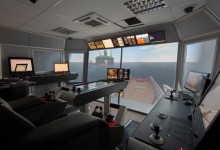
 v1.jpg&w=220&h=150)