

Predstavljena publikacija UCG sa preporukama za desetogodišnji razvoj Crne Gore
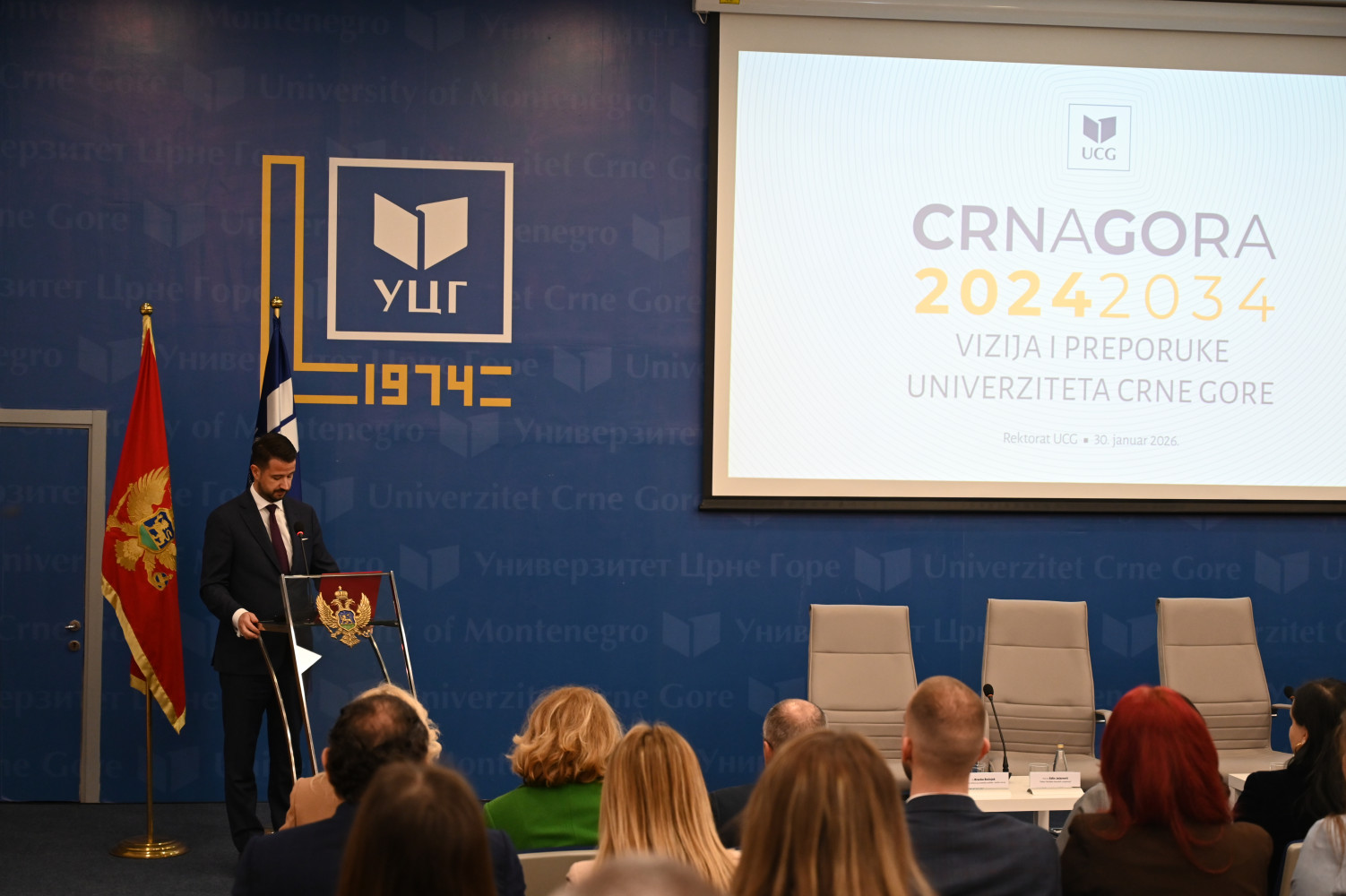
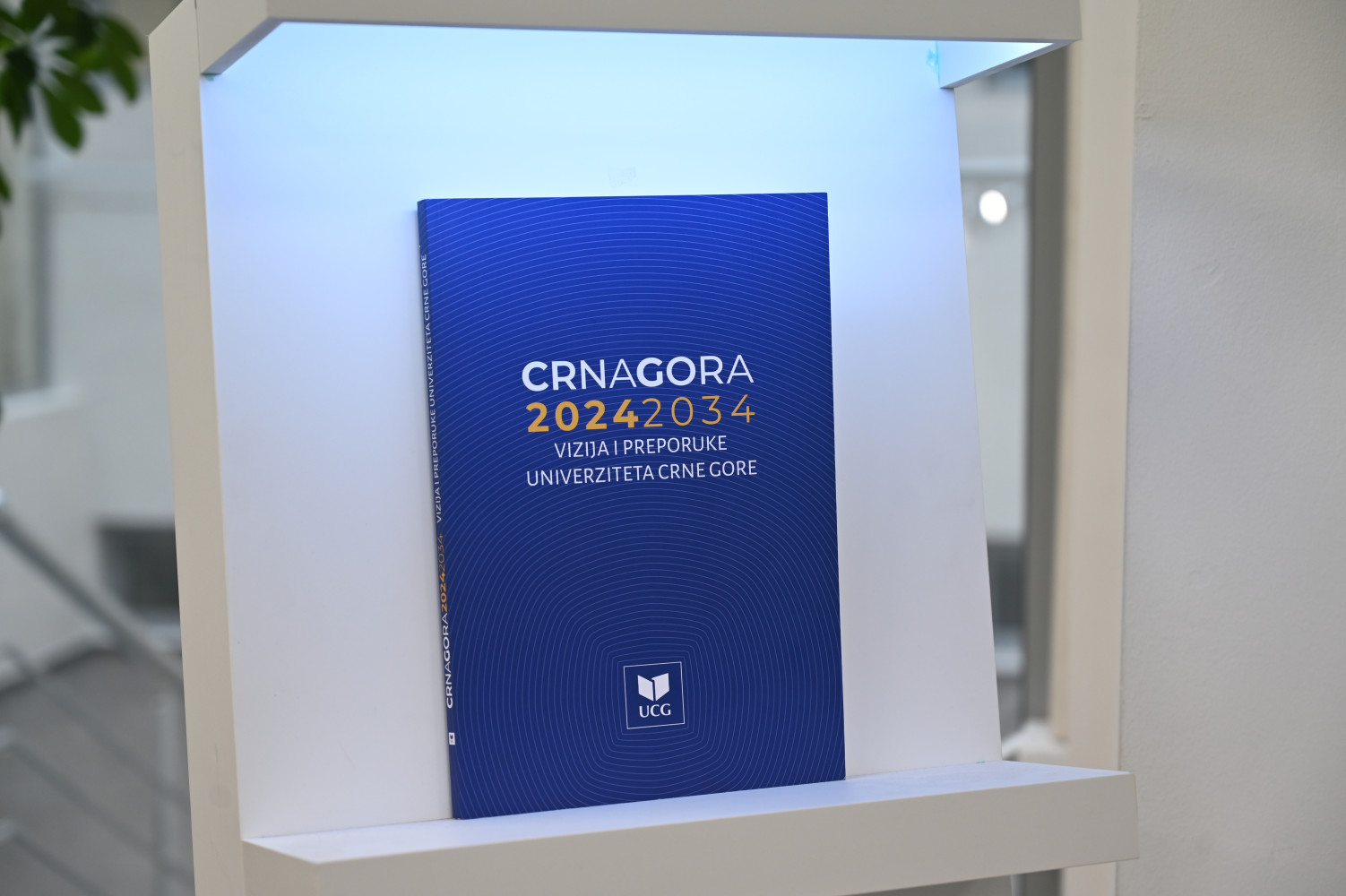
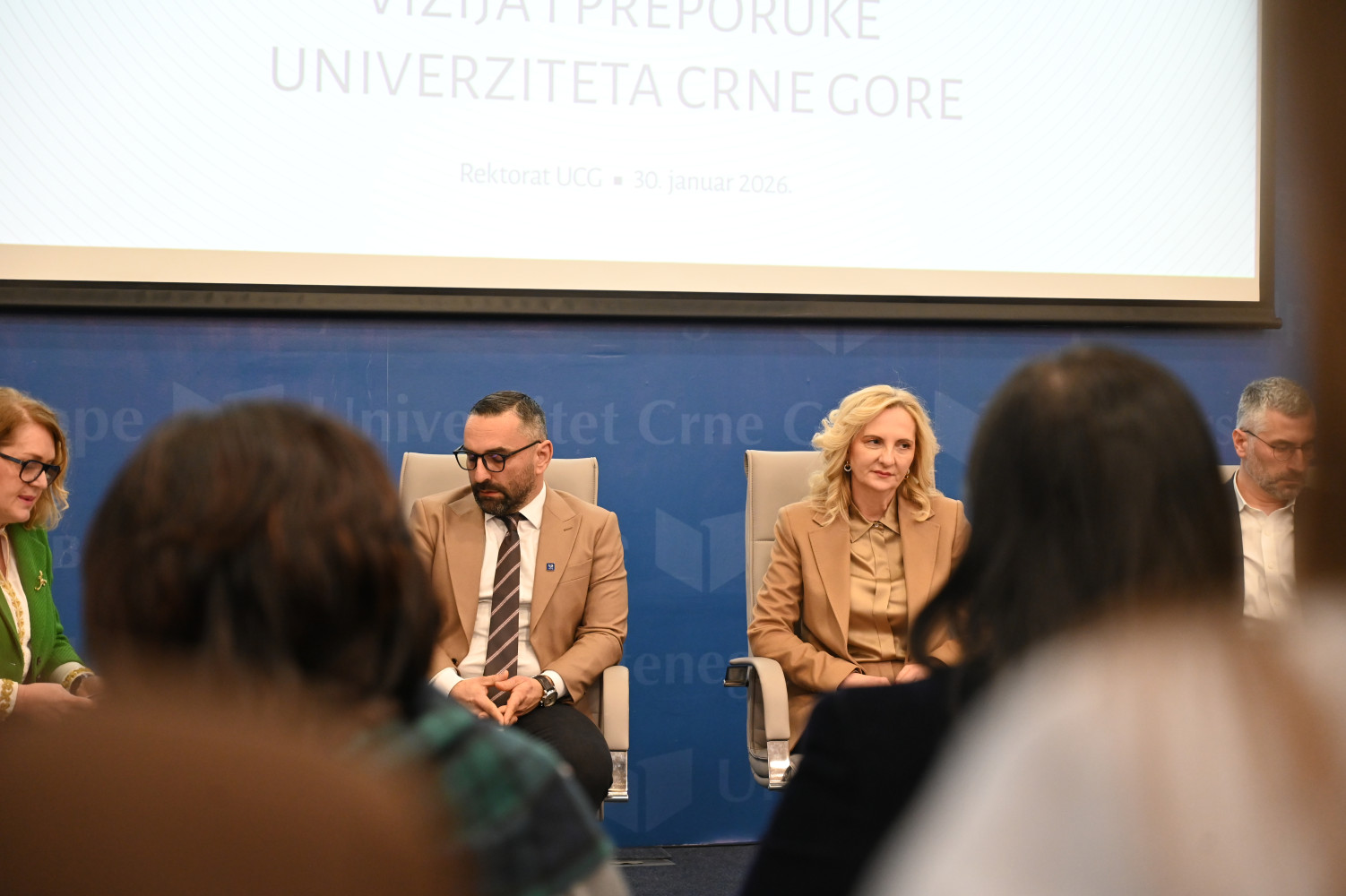
Promocija publikacije „Crna Gora 2024–2034: Vizija i preporuke Univerziteta Crne Gore“, strateškog dokumenta sa smjernicama i preporukama za dugoročni razvoj zemlje, održana je u Rektoratu Univerziteta Crne Gore.
Publikacija sadrži ekspertske analize i preporuke u osam ključnih oblasti: obrazovna politika, ekonomska politika, zdravstvena politika, pravna zaštita, kulturna politika, energetska održivost, reindustrijalizacija i digitalna transformacija. Njena svrha je da javnim institucijama, donosiocima odluka i široj javnosti ponudi konkretna, znanjem utemeljena rješenja za unapređenje javnih politika.
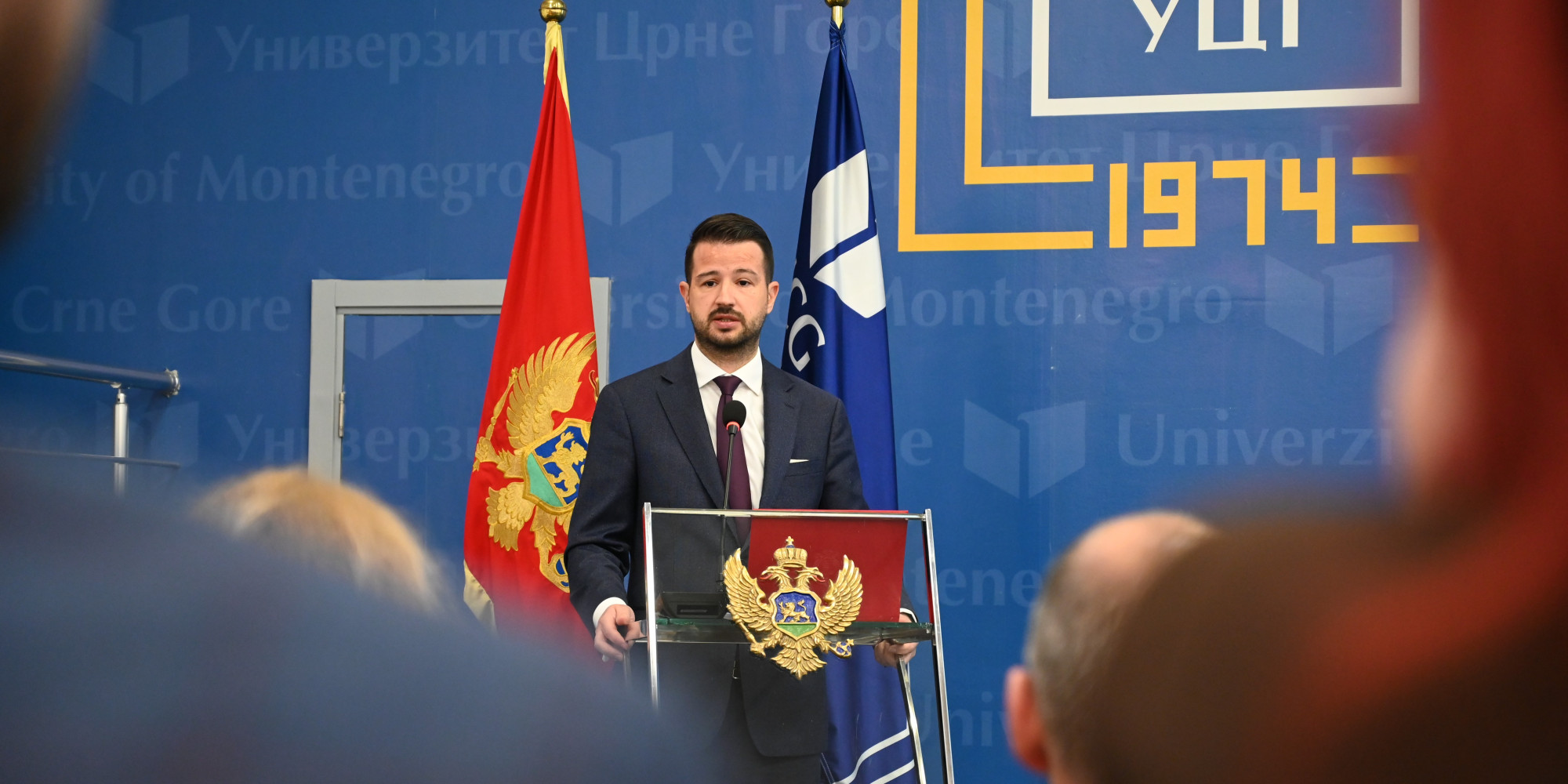
Događaj je otvorio predsjednik Crne Gore Jakov Milatović, istakavši da se Crna Gora danas nalazi u jednoj od najvažnijih etapa svog državotvornog trajanja.
"Ove godine obilježavamo dvadeset godina od obnove nezavisnosti, dok ćemo 2028. godine obilježiti sto pedeset godina od međunarodnog priznanja na Berlinskom kongresu. To su snažni istorijski simboli koji nas obavezuju da, svjesni odgovornosti prema prošlosti, sadašnjosti i budućnosti, damo svoj doprinos daljem prosperitetu Crne Gore i njenoj evropskoj perspektivi", kazao je Milatović.
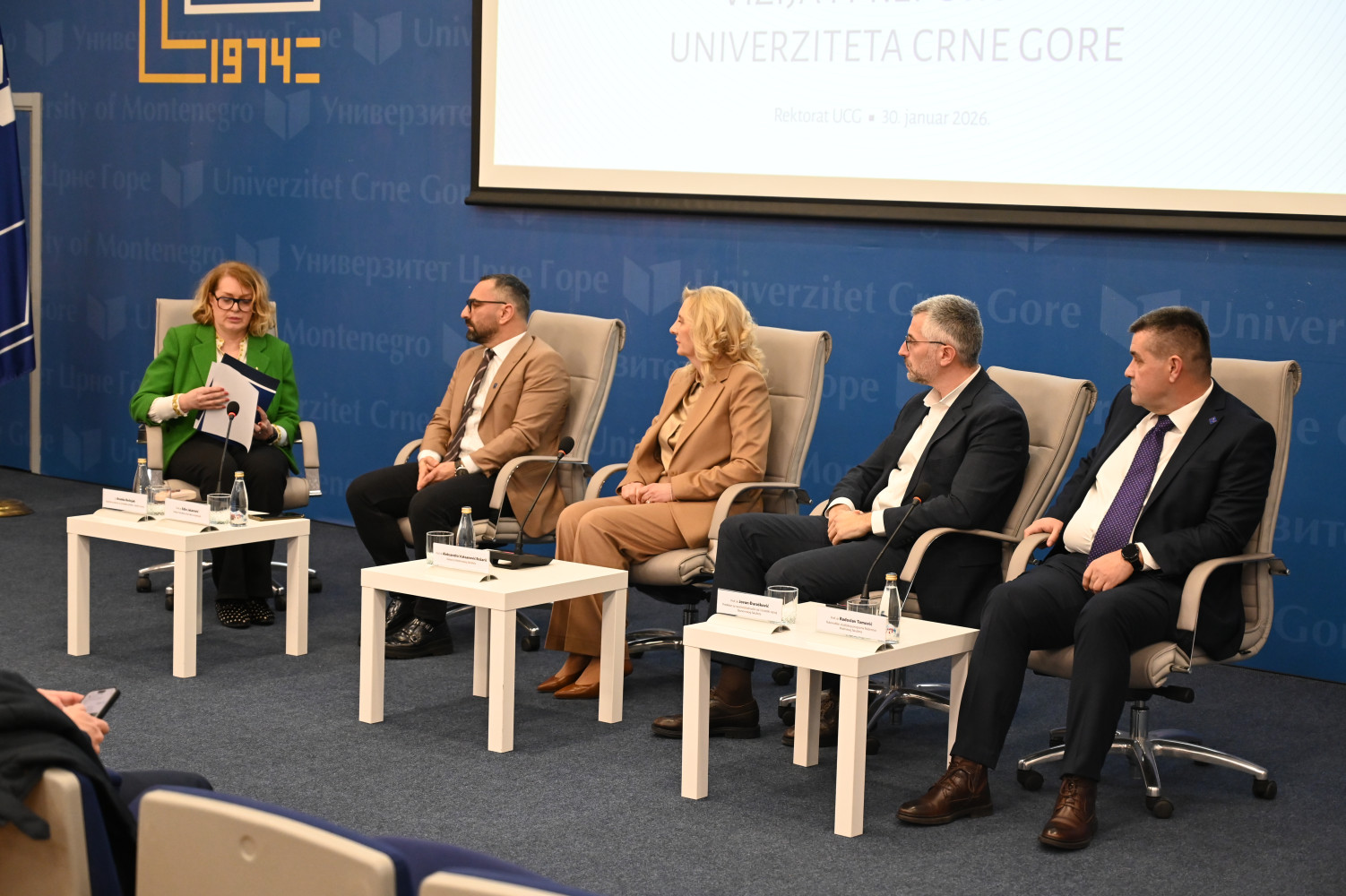
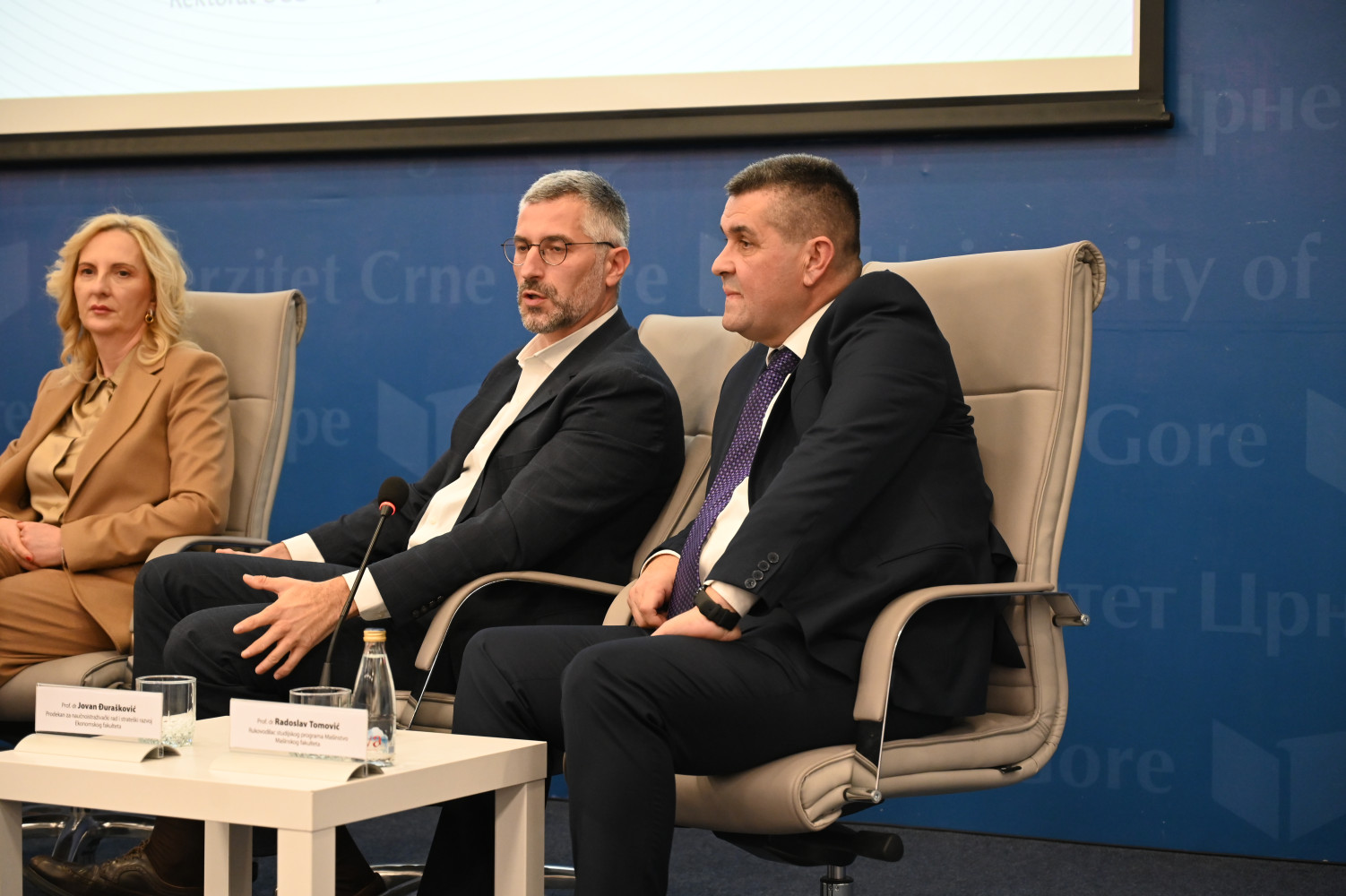
O publikaciji je, u nastavku, razgovarano u okviru panela na kojem su učestvovali prof. dr Aleksandra Vuksanović Božarić, prof. dr Edin Jašarović, prof. dr Radoslav Tomović, prof. dr Jovan Đurašković i dr Branka Bošnjak.
Govoreći o značaju zdravlja za društvo, prof. dr Aleksandra Vuksanović Božarić istakla je da je zdravlje najvrijedniji resurs Crne Gore, te da ulaganje u zdravlje građana znači ulaganje u ekonomski razvoj, socijalnu stabilnost i sigurnu budućnost. „Zdravlje za sve jeste ostvariv cilj, ali zahtijeva sistemske promjene, jasne strategije, dugoročno planiranje i odgovorno upravljanje", kazala je ona i dodala da se Crna Gora suočava sa ozbiljnim zdravstvenim izazovima, uključujući starenje stanovništva i porast hroničnih nezaraznih bolesti, mentalnih poremećaja, maligniteta i kardiovaskularnih oboljenja, te da je prevencija ključna za spašavanje života i očuvanje budžeta.
Prof. Vuksanović Božarić je istakla važnost primarne zdravstvene zaštite, jačanja domova zdravlja, porodične medicine i hitne pomoći, kao i razvoj i motivaciju zdravstvenog kadra. Takođe je naglasila da digitalizacija i nove tehnologije mogu unaprijediti dijagnostiku, dostupnost i efikasnost zdravstvenog sistema, uz poštovanje etičkih standarda, te da djeca, mladi, oralno zdravlje i palijativna njega predstavljaju strateške prioritete za održivost i kvalitet zdravstvene zaštite u Crnoj Gori.
Osvrćući se na oblast kulture, prof. dr Edin Jašarović kazao je da analiza razvoja kulturne politike u Crnoj Gori pokazuje snažnu povezanost sa promjenama državnog i društveno-političkog okvira, te da je tranzicija nakon 1990-ih najburniji period u savremenoj kulturnoj politici Crne Gore.
“Umjesto modernizacije, tranzicija je rezultirala hibridnim modelom kulturne politike, u kojem je javni sektor zadržao dominantnu ulogu, dok su procesi privatizacije doveli do devastacije kulturne infrastrukture i dezintegracije produkcionih lanaca”.
Prema njegovim riječima, sve to ukazuje na potrebu „suštinskog zaokreta ka participativnijem, ekonomski održivijem i strateški diferenciranom modelu kulturne politike koji bi kulturu afirmisao ne samo kao simboličku vrijednost, već i kao razvojni resurs crnogorskog društva, te u konačnom doveo do jednog poželjnog i kompetitivnijeg okvira za razvoj nacionalne kulture“.
Prof. dr Radoslav Tomović je kazao da Mašinski fakultet od svog nastanka nastoji da bude aktivan učesnik u strateškom planiranju i razvoju privrede Crne Gore. Kao primjer aktivnosti, on je naveo panel „Reindustrijalizacija i novi proizvodi u Crnoj Gori – šansa za održivi razvoj ekonomije“, navodeći zaključak panela da "Crna Gora mora ubrzano krenuti ka obnovi prerađivačke industrije i diversifikaciji privrede kako bi se obezbijedio održivi razvoj zemlje".
Profesor Tomović je naveo da su dosadašnje strategije razvoja crnogorske industrije bile pogrešno usmjerene ističući da su "prvenstveno stavljale akcenat na modernizaciju, digitalizaciju i zelenu tranziciju industrije, kao i na nabavku nove opreme i postrojenja. Naravno, to je potrebno, ali uvijek se postrojenja prilagođavaju proizvodu koji će se proizvoditi, a ne obrnuto. Razvoj konkretnih proizvoda treba da bude osnovni oslonac za razvoj crnogorske privrede, zato je potrebna sveobuhvatna analiza postojećeg stanja kako bi se jasno definisali ciljevi i prioriteti za proizvode čija će proizvodnja značajno uticati na ekonomiju zemlje."
Govoreći o izazovima i pravcima razvoja crnogorske privrede, prof. dr Jovan Đurašković istakao je da iskustvo tranzicije pokazuje koliko je institucionalni okvir ključan za održiv ekonomski rast.
“U pogledu dinamičnog razvoja crnogorske privrede, iskustvo tranzicije pokazuje da su tradicionalne razvojne ideje koje naglašavaju akumulaciju kapitala u sjenci fundamentalnog cilja – to je izgradnja institucija. Slabe institucije su učinile da tempo konvergencije ka razvijenim privredama bude veoma spor. Važno je jačati inkluzivne institucije koje, primarno, podstiču konkurenciju i povećavaju produktivnost. Dodatno, neophodno je jačati institucije u okviru ekonomske politike, jer one povećavaju kompetentnost i kredibilitet, opredjeljujuće determinante za generisanje povjerenja na tržištu”, kazao je prof. Đurašković.
U vezi sa razvojem crnogorske privrede, prof. Đurašković naglašava da država mora smanjivati neizvjesnost u privredi kroz afirmaciju predvidive i dugoročno orijentisane ekonomske politike. Kako je kazao, „neophodna je integralna strategija razvoja koja jasno targetira nacionalne interese i strateške prednosti Crne Gore, posebno u kontekstu očekivanog članstva u EU“.
Dr Branka Bošnjak je istakla da Univerzitet Crne Gore, kao jedini državni Univerzitet, ne može i ne smije biti samo formalni konsultant te da znanje koje postoji na Univerzitetu predstavlja strateški resurs države i mora biti sistemski uključeno u proces donošenja odluka.
"U periodu pred nama, posebno u kontekstu EU, Crna Gora nema luksuz da ignoriše ekspertizu sopstvene akademske zajednice. Ovo je otvoren poziv donosiocima odluka da Univerzitet počnu uvažavati kao ravnopravnog partnera u kreiranju strateških politika. Ignorisanje znanja nije samo akademski problem, to je razvojni rizik za državu. Uloga medija je ključna u ovom procesu, a akademskoj zajednici poručujemo: Univerzitet ne smije biti tih. Profesori i naučnici imaju pravo i obavezu da učestvuju u javnom prostoru, da nude rješenja i da zahtijevaju da se njihovo znanje poštuje. Univerzitet Crne Gore je spreman. Pitanje je da li je država spremna da znanje stavi u centar svojih politika, poručila je Bošnjak.
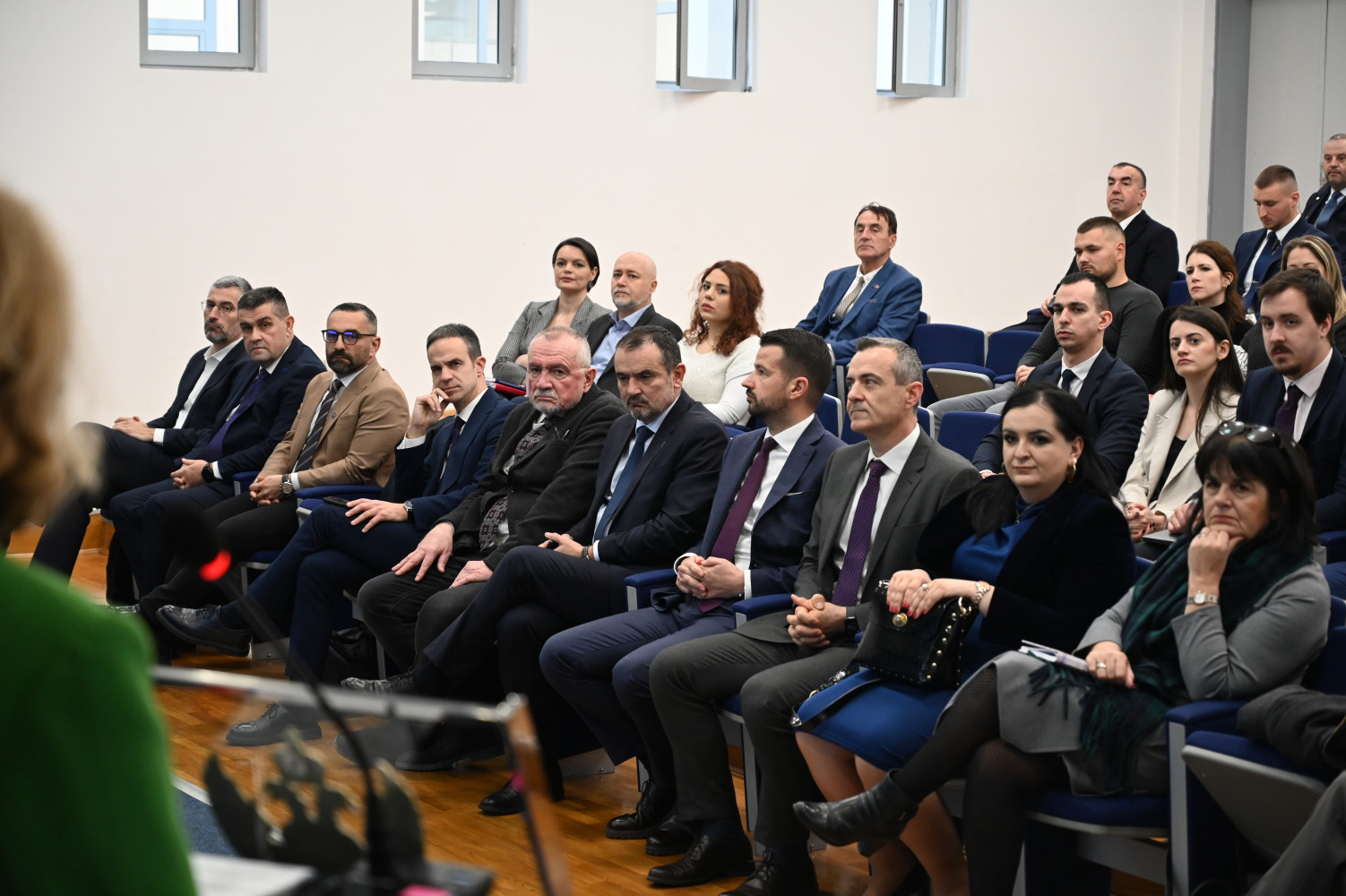
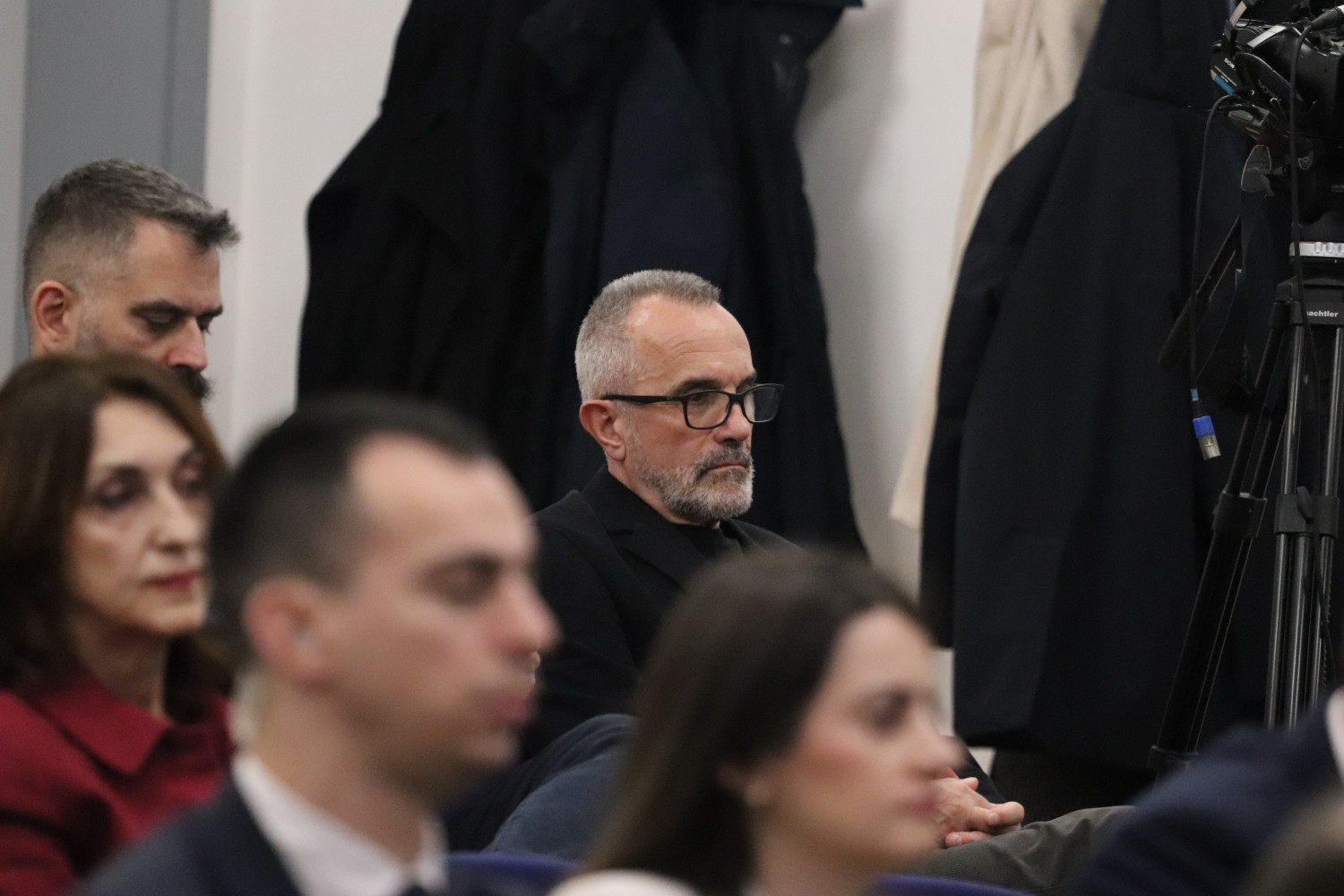
Panel je imao interaktivni karakter, omogućavajući otvoreni dijalog između akademske zajednice, predstavnika institucija i zainteresovane javnosti.